
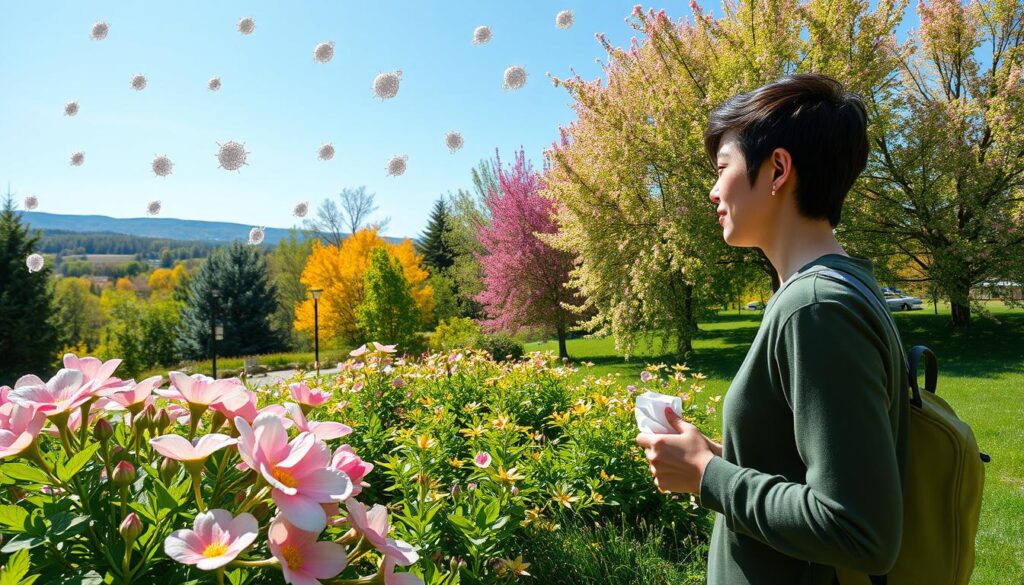
Hay fever affects millions worldwide, disrupting daily life with uncomfortable symptoms. Pollen allergies strike at different times, causing sneezing, congestion, and itchy eyes. These symptoms can make you feel miserable and impact your quality of life.
Knowing your allergy triggers is crucial for effective symptom management. Seasonal allergies can occur year-round, depending on the pollen spores in the air. Tree pollen in spring, grass in summer, or ragweed in fall can all cause reactions.
Luckily, there are many ways to fight allergy symptoms. Over-the-counter antihistamines, nasal sprays, and decongestants can provide relief. Natural methods like saline nasal irrigation can also help ease discomfort.
Key Takeaways
- Seasonal allergies affect millions globally
- Different pollens trigger allergies in different seasons
- Multiple treatment options are available
- Understanding your specific triggers is crucial
- Over-the-counter medications can help manage symptoms
Understanding Seasonal Allergies: From Symptoms to Triggers
Seasonal allergies can disrupt your daily life, causing discomfort and frustration. Knowing your allergy triggers is key to finding effective relief. Let’s explore seasonal allergies and what causes your symptoms.
Common Seasonal Allergy Symptoms
Seasonal allergies can bring on various uncomfortable symptoms. Here are the most common signs:
- Nasal Congestion that makes breathing difficult
- Runny Nose that seems never-ending
- Itchy Eyes that feel constantly irritated
- Sneezing fits that disrupt your day
- Postnasal drainage that causes throat discomfort
Headaches and shortness of breath can also occur. Symptom intensity varies based on your sensitivity and pollen levels1.
Key Seasonal Triggers
Each season brings unique allergy challenges. Knowing these triggers can help you manage symptoms better:
- Spring: Tree pollen dominates, with birches, oaks, and maples releasing many allergens2. This season typically starts in February and lasts until early summer3.
- Summer: Grass pollen becomes the main trigger, causing widespread allergy symptoms1.
- Fall: Ragweed takes center stage, producing pollen from August to November2.
- Winter: Indoor allergens like dust mites and mold become more problematic3.
“Climate change is extending pollen seasons, potentially causing more intense allergic reactions”1.
Weather conditions greatly affect allergy severity. Warm days, cool nights, and wind can increase pollen counts2.
By understanding these triggers, you can better manage your seasonal allergy symptoms. This knowledge helps you seek appropriate allergy relief and take control of your health.
Proven Prevention and Relief Strategies
Seasonal allergies affect over 60 million people yearly. They can make daily life challenging. Effective strategies can help manage triggers and reduce discomfort.
Your first defense is reducing allergen exposure. Try these practical approaches:
- Stay indoors on high pollen count days
- Use air conditioning with HEPA filters to reduce airborne allergens4
- Change clothes after outdoor activities
- Take evening showers to remove pollen
Antihistamines are crucial for managing allergy symptoms. Choosing the right medication can greatly improve your life quality. Over-the-counter options like decongestants and nasal corticosteroids offer targeted relief.
“Proactive management is key to controlling seasonal allergies”
Nutrition can support your immune system. Eat Vitamin C-rich foods and quercetin-containing fruits. These may help reduce allergy symptoms4.
| Strategy | Benefit |
|---|---|
| HEPA Filtration | Reduces airborne allergens |
| Saline Rinse | Clears nasal passages |
| Antihistamines | Controls allergic response |
For severe allergies, consult a healthcare professional. They can recommend personalized treatment plans, including immunotherapy options.
Conclusion
Seasonal allergies affect millions worldwide, requiring smart management strategies. Your journey to better health involves understanding triggers and developing a tailored plan. Personalized symptom relief is key to tackling these allergy challenges56.
Allergy specialists can make a big difference in managing your symptoms. They use advanced tests to pinpoint allergens causing your discomfort. With their help, you can explore various treatment options, from over-the-counter meds to immunotherapy57.
Prevention is crucial in controlling seasonal allergies. Monitor pollen counts, use air purifiers, and change clothes after outdoor activities. These simple steps can greatly reduce allergen exposure5.
Stay informed about new treatments to minimize symptoms and boost your quality of life. Your approach should be flexible and tailored to your needs6.
Team up with healthcare pros and stay alert to your symptoms. Don’t hesitate to adjust your strategy when needed. With the right know-how and support, you can effectively handle seasonal allergies.
FAQ
What are seasonal allergies?
Seasonal allergies occur when your immune system overreacts to outdoor allergens like pollen. They cause your body to release histamines. This triggers symptoms such as sneezing, runny nose, and itchy eyes.
What are the most common symptoms of seasonal allergies?
Common symptoms include sneezing, runny or stuffy nose, and watery, itchy eyes. Itchy sinuses, throat, or ear canals, and postnasal drainage are also frequent.
Less common symptoms may include headaches, shortness of breath, and coughing.
How do seasonal allergy triggers change throughout the year?
Allergy triggers vary by season. Spring typically involves tree pollen, while summer is dominated by grass pollen.
Fall is known for ragweed, and winter often brings indoor allergens like dust mites and mold. Your location affects specific triggers.
How can I reduce my exposure to seasonal allergy triggers?
Stay indoors on high pollen count days and use air conditioning with HEPA filters. Shower after being outdoors and keep windows closed.
Change clothes after spending time outside. Check local pollen forecasts to plan your outdoor activities more effectively.
What medications can help manage seasonal allergies?
Over-the-counter options include antihistamines, decongestants, and nasal corticosteroids. Combination medications can provide broader symptom relief.
For severe cases, your doctor might recommend immunotherapy (allergy shots) or prescription medications.
Are there any natural remedies for seasonal allergies?
Natural remedies like saline nasal irrigation and using a neti pot can help alleviate symptoms. Staying hydrated and using air purifiers may also provide relief.
Some people find local honey helpful, but scientific evidence is limited. Always talk to a doctor before trying new treatments.
When should I see a doctor about my seasonal allergies?
See a doctor if your symptoms are severe or don’t respond to over-the-counter medications. Consult a healthcare provider if allergies significantly impact your quality of life.
They can perform tests to identify specific triggers and create a personalized treatment plan for you.
Source Links
- What triggers seasonal allergies? | NIH MedlinePlus Magazine – https://magazine.medlineplus.gov/article/what-triggers-seasonal-allergies
- Seasonal Allergies | Causes, Symptoms & Treatment | ACAAI Public Website – https://acaai.org/allergies/allergic-conditions/seasonal-allergies/
- Seasonal Allergies | Symptoms, Signs & Causes | Allergy Insider – https://corporate.thermofisher.com/diagnostic-education/patient/wo/ko/allergy-types/seasonal-allergies.html
- The Best Natural Remedies for Seasonal Allergies – https://www.dedicated.care/articles/best-natural-remedies-seasonal-allergies
- Seasonal allergies: What they are and how they affect you – https://sierraallergy.com/what-are-seasonal-allergies-and-how-do-they-affect-you/
- Seasonal Allergies: Keeping Symptoms in Check – https://www.chop.edu/news/health-tip/seasonal-allergies-keeping-symptoms-check
- Seasonal Allergies – https://www.contemporaryclinic.com/view/seasonal-allergies

