Physical attributes significantly impact sexual relationships and mate selection. Body types and physique standards shape attraction. Evolutionary research offers insights into how people perceive physical attractiveness12.
Men often prioritize physical attractiveness in romantic partnerships. Across cultures, heterosexual men show a stronger preference for attractive partners than women1. These preferences stem from evolutionary psychology, suggesting certain traits signal reproductive fitness2.
Research challenges common beliefs about size preferences. Physical attractiveness matters, but mating behaviors don’t always match self-reported preferences. People may not fully understand their true romantic desires1.
Grasping size preferences can enhance your approach to relationships. Attraction involves complex psychological and biological factors. This understanding helps build deeper connections beyond surface-level physical traits.
Key Takeaways
- Physical attractiveness influences mate selection differently for men and women
- Evolutionary psychology explains size preference variations
- Self-reported preferences may not match actual romantic behaviors
- Cultural factors impact perceptions of physical attractiveness
- Emotional connection remains crucial in relationships
Understanding Size Preferences in Sexual Attraction
Sexual attraction blends physical and psychological factors. These elements shape our partner preferences. Body measurements and proportions play a key role in this complex process.
Height and weight preferences vary among individuals and cultures. Females often focus on traits that signal genetic fitness. These traits also indicate reproductive potential3.
The Influence of Size on Attraction
Physical traits significantly impact mate selection. Key factors include:
- Waist-to-Chest Ratio indicating masculinity3
- Facial symmetry suggesting genetic health3
- Body proportions signaling reproductive fitness
Size Preferences Across Different Cultures
Height preferences show interesting cultural differences. Women typically prefer taller men. The ideal height difference often relates to the woman’s own height4.
| Preference Type | Male Perspective | Female Perspective |
|---|---|---|
| Height Preference | Prefer shorter partners | Prefer taller partners |
| Body Proportions | Broader shoulders | Balanced waist-to-hip ratio |
The Science Behind Size Preferences
Evolutionary mechanisms drive sexual selection. Different sexual preferences emerge from complex biological and psychological adaptations. These adaptations have developed over thousands of years5.
Physical attraction is more than just appearance—it’s a sophisticated signal of genetic potential and reproductive fitness.
Human attraction is complex and nuanced. It goes beyond simple surface-level observations. Understanding these preferences helps us appreciate this complexity.
Psychological Aspects of Size Preferences
Body types and stature criteria impact personal relationships beyond physical attraction. Your psychological view of build specs affects self-confidence and relationship dynamics. This goes deeper than just looks.
Body image shapes how you see yourself and interact with potential partners. Research shows physical attractiveness greatly affects relationship satisfaction. This is especially true for men, who often link their self-worth to body perception6.
Body Image and Self-Confidence
Your body type can greatly impact self-esteem and romantic interactions. Key factors include personal comfort with looks and cultural beauty standards.
Individual confidence levels and a partner’s perceived expectations also play a role. These elements shape how we view ourselves and others.
- Personal comfort with physical appearance
- Cultural beauty standards
- Individual confidence levels
- Partner’s perceived expectations
“Self-acceptance is the first step towards authentic relationship connections.”
How Size Affects Relationship Dynamics
Size preferences subtly shape relationship patterns. People with high self-confidence often attract partners who appreciate their unique build specs7.
Studies show that people prefer positive personal traits and growth-oriented outlooks7. This insight helps in building stronger connections.
Grasping these psychological nuances aids in navigating relationships more effectively. Remember, emotional bonds matter more than physical measurements6.
International Encyclopedia of the Social & Behavioral Sciences, Elsevier, 20157Honda et al. Framing Choices Research, 2018
Communicating About Size Preferences
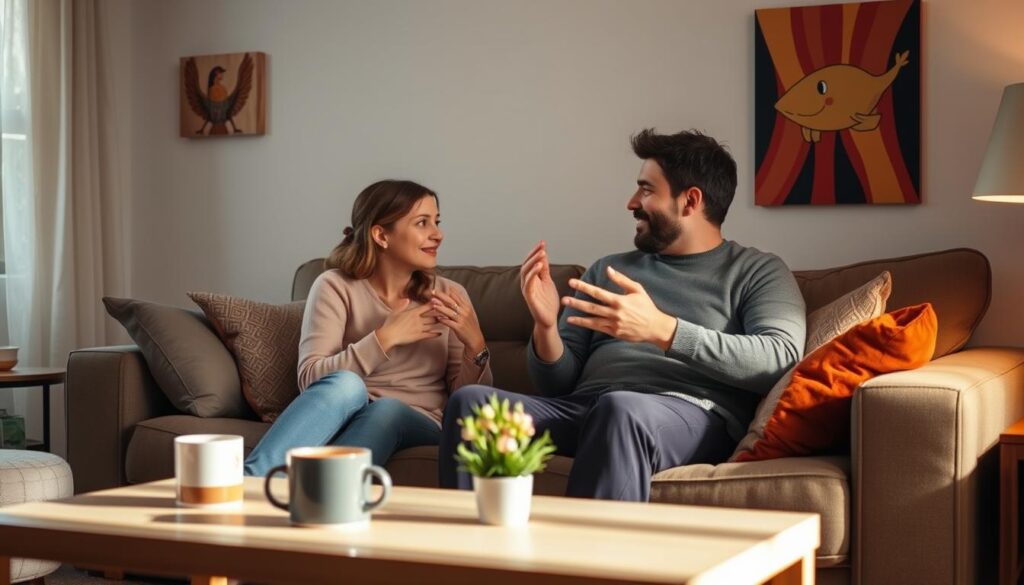
Discussing body measurements can be tough for many couples. Open talks build trust in relationships. Navigating these chats needs empathy and respect.
Your ability to handle sensitive topics requires emotional intelligence. It’s about understanding each other’s feelings and views.
- Choose a private, comfortable setting
- Use compassionate and non-judgmental language
- Focus on mutual understanding and respect
- Listen actively to your partner’s feelings
Creating a Safe Dialogue Space
Safe talks need understanding communication preferences and emotional limits8. Cultural backgrounds shape how we view bodies. Being sensitive is key8.
Navigating Sensitive Conversations
Good talks about bodies need emotional smarts. Know that identities are complex and always changing8. Be curious and caring, not critical.
*Honest communication builds deeper intimacy and mutual understanding.*
| Communication Approach | Key Strategies |
|---|---|
| Empathetic Listening | Validate feelings, ask open questions |
| Positive Framing | Focus on appreciation and connection |
| Emotional Safety | Ensure respectful, non-threatening dialogue |
The aim isn’t to judge but to grow closer. Try to see body talks as a way to bond. Focus on understanding each other’s views.
The Impact of Size Preferences on Relationships
Size preferences go beyond physical traits. Emotional bonds and mutual understanding are key to successful relationships. While looks may attract, true intimacy needs good communication.
Size Preferences vs. Emotional Connection
Physique matters in attraction, but emotional intimacy defines relationship quality. Studies show couples with similar mate value are more satisfied. Your partner’s emotional availability matters more than their physical traits.
Finding Balance in Intimacy
Open talks are crucial when dealing with body types. Body alignment affects sexual pleasure, but communication is vital. Your openness to discuss likes and create attraction shapes relationship happiness.
Addressing Misconceptions Surrounding Size
Many people have wrong ideas about physical preferences. It’s important to see sex as complex to reduce stigma. Focus on healthy, consensual interactions that value respect and emotional bonds9.
FAQ
How important are physical attributes in sexual attraction?
Physical attributes play a key role in sexual attraction. Evolutionary psychology suggests body size and shape indicate fertility and health. Men often value physical attractiveness more in long-term relationships.
Features like waist-to-hip ratio and body proportions influence initial attraction. However, attraction is complex and involves more than just physical traits.
Do size preferences differ across cultures?
Size preferences vary widely across different cultures. Factors like socioeconomic status, environment, and cultural ideals shape these preferences. Some universal preferences exist, such as a 0.7 waist-to-hip ratio for women.
However, individual and cultural variations are substantial. What’s considered attractive in one culture may differ greatly in another.
How do size preferences affect body image and self-confidence?
Size preferences can greatly impact body image and self-confidence. Many people struggle when their body doesn’t match perceived ideal standards. Partner support and positive feedback can help improve body image.
These factors can also boost overall relationship satisfaction. It’s important to focus on self-acceptance and health rather than unrealistic ideals.
Are physical attributes more important than emotional connection?
Physical attributes influence initial attraction, but emotional connection is key for long-term success. Studies show that communication, understanding, and emotional intimacy matter more than physical preferences.
A strong emotional bond can enhance physical attraction over time. Compatibility in values and goals is crucial for lasting relationships.
How should couples discuss size preferences?
Discussing size preferences requires sensitivity, empathy, and mutual respect. Approach the topic carefully, focusing on emotional support and understanding. Avoid judgment and emphasize that attraction involves more than physical attributes.
Open communication can strengthen your bond. Remember that everyone has insecurities, and kindness goes a long way.
Do men and women have different size preferences?
Research shows men and women often have different preferences. Men typically emphasize physical attractiveness more. Women tend to consider a broader range of factors in attraction.
For example, men might prefer specific body proportions. Women may prioritize overall compatibility and emotional connection. However, individual preferences can vary widely.
Can size preferences change over time?
Size preferences can definitely change over time. They’re not set in stone and can evolve with personal growth. Changing cultural norms and individual experiences also influence these preferences.
Factors like age, personal development, and increased emotional intelligence affect how we perceive attractiveness. Our values and priorities often shift as we mature.
How do societal standards impact size preferences?
Societal standards heavily influence size preferences through media and cultural ideals. These standards can create unrealistic expectations and negative body image issues. It’s important to recognize that attractiveness is subjective.
Beauty extends far beyond narrow physical standards. Embracing diversity in body types can lead to healthier attitudes and relationships.
Source Links
- Sex Differences in the Implications of Partner Physical Attractiveness for the Trajectory of Marital Satisfaction – https://pmc.ncbi.nlm.nih.gov/articles/PMC4011637/
- Sex Differences in Mate Preferences Revisited – https://faculty.wcas.northwestern.edu/eli-finkel/documents/MatePrefs_FINAL6-5-07_000.pdf
- Mating preferences – https://en.wikipedia.org/wiki/Mating_preferences
- PDF – https://repository.rice.edu/bitstreams/75dfc076-c1e1-479e-ab96-cd7d697f2c2b/download
- On the evolutionary origins of differences in sexual preferences – https://pmc.ncbi.nlm.nih.gov/articles/PMC4439540/
- Family Size Preferences – http://su.diva-portal.org/smash/record.jsf?pid=diva2:1284514
- Frontiers | The Framing Preference for Large and Increasing Components in Static and Dynamic Descriptions – https://www.frontiersin.org/journals/psychology/articles/10.3389/fpsyg.2021.720427/full
- 3.5 Your Communication Preferences – https://pressbooks.openeducationalberta.ca/introprocomm/chapter/3-5-your-interpersonal-communication-preferences/
- The Importance of Size in Relationships | 2min snip from Tom Bilyeu’s Impact Theory – https://share.snipd.com/chapter/0de48f01-b5a8-443a-88d0-034a4bfb7613