
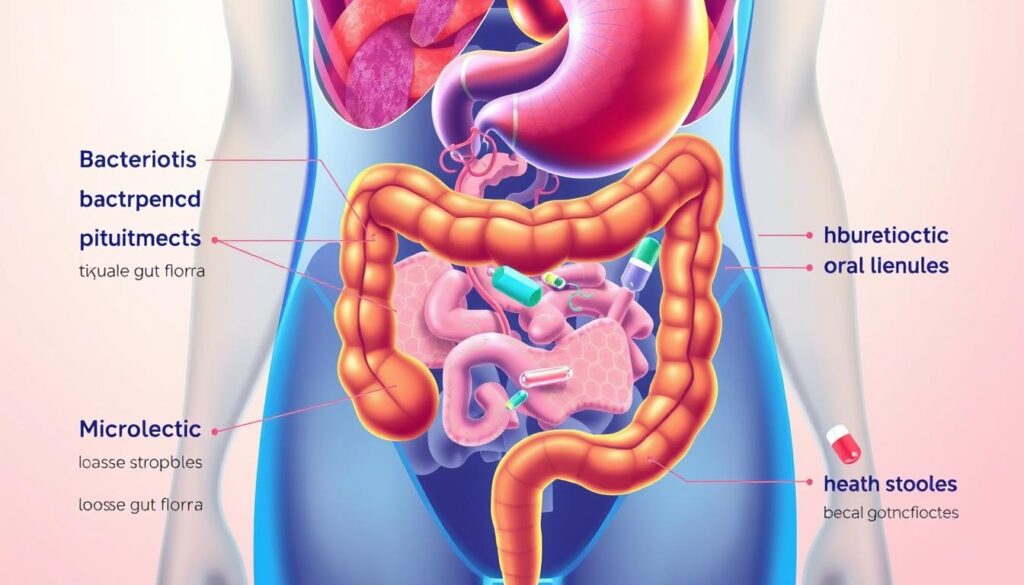
Antibiotic-associated diarrhea can disrupt your digestive health. About 1 in 5 people taking antibiotics face this uncomfortable condition1. It’s an unwelcome challenge when you’re already battling an infection.
Antibiotics fight bacterial infections but can upset your gut microbiome. Almost all antibiotics may cause diarrhea1. Macrolides, cephalosporins, fluoroquinolones, and penicillins are especially known for triggering digestive issues1.
Knowing the risks of antibiotic side effects is vital for your health. Long-term use and multiple medications raise the chances of this condition1. Severe cases can lead to dangerous dehydration1.
Key Takeaways
- Antibiotic-associated diarrhea affects 20% of antibiotic users
- Multiple antibiotics increase the risk of digestive disruption
- Severe cases can lead to life-threatening dehydration
- Not all antibiotics impact everyone the same way
- Monitoring your symptoms is essential during antibiotic treatment
What is Antibiotic-Associated Diarrhea and Its Impact
Antibiotics fight bacterial infections but can disrupt gut health. These powerful meds may cause unexpected digestive issues, affecting your overall wellness.
Antibiotic-associated diarrhea (AAD) is a common side effect of antibiotic treatment. It occurs when antibiotics upset the balance of gut bacteria.
This imbalance can lead to digestive problems during or after taking antibiotics23.
Understanding the Prevalence
AAD affects many patients on antibiotics. Studies show 5% to 25% of adults experience AAD during treatment3.
The risk varies based on the specific antibiotic and individual health factors.
Common Symptoms to Monitor
- Loose, watery stools three or more times daily
- Abdominal pain or cramping
- Low-grade fever
- Decreased appetite
- Nausea
Potential Causes and Risk Factors
Several organisms can trigger antibiotic-associated diarrhea, including:
- Clostridium difficile
- Clostridium perfringens
- Staphylococcus aureus
- Candida species
Some antibiotics are more likely to cause gut flora disruption. These include penicillins, cephalosporins, and clindamycin23.
Maintaining proper hygiene and understanding your body’s response to antibiotics can help minimize the risk of developing antibiotic-associated diarrhea.
Risk Management Strategies
To reduce antibiotic resistance and gut microbiome disruption, try these tips:
- Practice excellent hand hygiene
- Consume probiotic-rich foods
- Stay hydrated
- Consult your healthcare provider about potential preventive measures
Remember, everyone’s digestive system responds differently to antibiotics. Always communicate with your healthcare professional about any unusual symptoms.
The Role of Gut Microbiome in Digestive Health
Your gut microbiome is a complex ecosystem crucial for digestive health. It’s a network of microorganisms supporting essential body functions. This ecosystem protects against potential health challenges.
How Antibiotics Disrupt Intestinal Balance
Antibiotics can drastically change your gut microbiome. They often eliminate beneficial microorganisms along with harmful bacteria. This can lead to digestive complications.
Firmicutes and Bacteroidetes make up 90% of gut microbial composition. Antibiotic treatments can significantly impact these important phyla4.
Understanding Colonization Resistance
Colonization resistance is a key defense in your gut microbiome. It protects against harmful bacterial invasion. Antibiotics can reduce beneficial bacteria diversity, allowing pathogenic microorganisms to thrive4.
This disruption may increase the risk of diarrheal infections. It also affects the balance of the intestinal ecosystem.
- Protects against harmful bacterial invasion
- Maintains intestinal ecosystem balance
- Supports immune system functionality
Impact on Nutrient Absorption
Your gut microbiome greatly affects nutrient absorption and metabolism. Disruptions can reduce efficiency in breaking down food and extracting nutrients4.
Dysbiosis, a microbial imbalance, is linked to various digestive problems. It may also contribute to chronic health conditions4.
“The gut microbiome is not just an ecosystem, but a complex network that fundamentally supports human health.” – Microbiome Research Institute
Prevention and Treatment Strategies for Antibiotic-Associated Diarrhea
Antibiotic-associated diarrhea (AAD) affects 5-30% of patients during or after antibiotic therapy5. Effective management requires a well-rounded approach to prevention and treatment. Let’s explore key strategies to tackle this tricky condition.
Smart antibiotic use is crucial for prevention. Only take antibiotics when necessary. Practice good hand hygiene. Tell your doctor about past AAD episodes.
Consider taking probiotic supplements during antibiotic treatment. They may help prevent AAD. Specific strains like Lactobacillus acidophilus and Saccharomyces boulardii show promise5.
Careful probiotic selection is crucial for optimal protection. Choose the right strain for the best results.
Treating AAD, especially Clostridium difficile infections, involves several options:
- Oral vancomycin
- Fidaxomicin
- Metronidazole
| Treatment Option | Effectiveness | Recommended Use |
|---|---|---|
| Oral Vancomycin | Over 90% response rate | Primary C. difficile treatment |
| Fecal Microbiota Transplantation | High success for recurrent infections | Severe or recurring cases |
Hydration remains the most critical factor in managing antibiotic-associated diarrhea.
Fecal microbiota transplantation is a cutting-edge treatment for severe cases. It helps restore healthy gut bacteria. This method can reduce infection recurrence6.
Every AAD case is different. Always talk to your doctor for personalized advice and treatment options.
Conclusion
Antibiotic-associated diarrhea (AAD) affects 5-35% of patients taking antimicrobials7. Your awareness can help prevent and manage this common side effect. Taking action is key to protecting your health during antibiotic treatment.
Working with healthcare pros is vital to reduce AAD risks. Practicing antibiotic awareness can minimize digestive issues. Probiotics may help lower the chance of diarrhea when taking antibiotics8.
Learning about gut health during antibiotic treatments is crucial. New research explores fresh ways to prevent AAD. Studies show the importance of understanding this condition.
Clostridioides difficile causes nearly 500,000 diarrhea cases yearly in the US7. Ongoing research offers hope for better treatments. Your active role can greatly reduce AAD risks.
Talk to your doctor about antibiotic use. Ask questions and focus on your digestive health. Stay informed to protect your well-being during antibiotic treatments.
FAQ
What is Antibiotic-Associated Diarrhea (AAD)?
AAD causes loose, watery stools during or after antibiotic use. It affects about 1 in 5 people taking antibiotics. AAD results from disrupted gut bacteria balance due to antibiotic treatment.
What are the main symptoms of Antibiotic-Associated Diarrhea?
Primary symptoms include loose stools and increased bowel movements. Severe cases may involve fever, abdominal pain, and dehydration. Symptoms often start within a week of antibiotic use.
Sometimes, symptoms appear weeks after finishing treatment. If you experience persistent issues, consult your doctor promptly.
Who is at highest risk for developing Antibiotic-Associated Diarrhea?
Risk increases with previous AAD, extended treatments, or multiple antibiotics. Older adults and those with weakened immune systems are more vulnerable. People with chronic medical conditions may develop serious forms of AAD.
How can I prevent Antibiotic-Associated Diarrhea?
Use antibiotics only when necessary. Practice good hand hygiene. Tell your doctor about any previous AAD episodes.
Ask about probiotic use. Some studies suggest probiotics might help reduce AAD risk.
What is Clostridioides difficile (C. difficile) infection?
C. difficile is a severe form of AAD caused by a specific bacterial infection. It can cause intense symptoms like severe diarrhea and high fever. This infection needs immediate medical care.
Treatment may include oral vancomycin or fecal microbiota transplantation in extreme cases.
When should I seek medical help for Antibiotic-Associated Diarrhea?
Contact your doctor if you have persistent diarrhea or signs of dehydration. Seek help for severe abdominal pain, high fever, or bloody diarrhea. Get medical attention if symptoms last more than a few days.
Can probiotics help with Antibiotic-Associated Diarrhea?
Some studies suggest probiotics might prevent or reduce AAD severity. However, evidence is mixed. Ask your doctor about the best probiotic strains and dosages for you.
How long does Antibiotic-Associated Diarrhea typically last?
Most AAD cases are mild and resolve within days after stopping antibiotics. Duration varies based on individual factors and antibiotics used. Consult your doctor if symptoms last beyond a week.
Source Links
- Antibiotic-associated diarrhea: Remedy depends on severity-Antibiotic-associated diarrhea – Symptoms & causes – Mayo Clinic – https://www.mayoclinic.org/diseases-conditions/antibiotic-associated-diarrhea/symptoms-causes/syc-20352231
- Antibiotic-associated diarrhea: a refresher on causes and possible prevention with probiotics–continuing education article – PubMed – https://pubmed.ncbi.nlm.nih.gov/24064436/
- Antibiotics Diarrhea: Causes, Treatment, and Prevention – https://www.healthline.com/health/antibiotics-diarrhea
- Revisiting the Intestinal Microbiome and Its Role in Diarrhea and Constipation – https://pmc.ncbi.nlm.nih.gov/articles/PMC10538221/
- Managing antibiotic associated diarrhoea: Probiotics may help in prevention – https://pmc.ncbi.nlm.nih.gov/articles/PMC1123310/
- Antibiotic-associated diarrhea: Remedy depends on severity-Antibiotic-associated diarrhea – Diagnosis & treatment – Mayo Clinic – https://www.mayoclinic.org/diseases-conditions/antibiotic-associated-diarrhea/diagnosis-treatment/drc-20352237
- Antibiotic-Associated Diarrhea Beyond C. Difficile: A Scoping Review | Published in Journal of Brown Hospital Medicine – https://bhm.scholasticahq.com/article/39745-antibiotic-associated-diarrhea-beyond-c-difficile-a-scoping-review
- Antibiotic-associated diarrhea and pseudomembranous colitis: are they less common with poorly absorbed antimicrobials? – PubMed – https://pubmed.ncbi.nlm.nih.gov/15855751/

