
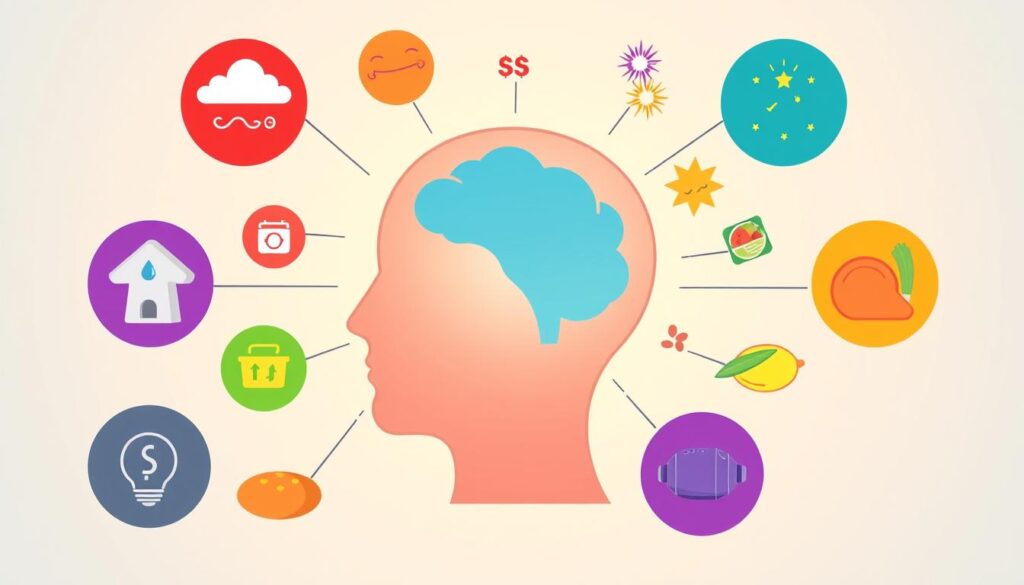
Headaches can turn simple tasks into tough challenges. Knowing what causes different headaches is key to managing them well1. Your body often hints when something’s off, and spotting these clues can lead to faster relief.
Did you know that 90% of headaches are called primary headaches1? These include cluster and tension headaches. Each type affects you differently. Migraines hit about 12% of people, with women getting them three times more than men1.
Good sleep habits can help prevent headaches. Adults should try to get 7-9 hours of sleep each night2. A steady sleep routine can reduce your chances of getting headaches.
Key Takeaways
- 90% of headaches are primary headaches with distinct characteristics
- Migraines impact 12% of the population, more common in women
- Sleep plays a crucial role in headache prevention
- Understanding your personal triggers is key to management
- Different headache types require different approaches
What Are Headaches?
Headaches are a common issue affecting nearly everyone. They range from mild discomfort to intense pain. Knowing headache types and causes helps manage them better3.
Understanding Headache Classifications
Headaches fall into two main groups:
- Primary Headaches: Pain not caused by other conditions3
- Secondary Headaches: Symptoms of other health issues
There are over 150 types of primary headaches3. Common types include:
- Tension headaches
- Migraine headaches
- Cluster headaches
- Sinus Headaches
- Hormonal Headaches
- Rebound Headaches
Identifying Headache Triggers
Your lifestyle can trigger headaches. Here are some potential causes:
| Trigger Category | Specific Triggers |
|---|---|
| Environmental | Bright lights, grey skies, high humidity4 |
| Dietary | Aged cheeses, processed meats, diet drinks4 |
| Lifestyle | Stress, poor sleep, skipped meals5 |
“Understanding your unique headache triggers can help you prevent and manage pain more effectively.”
Pro tip: Keep a headache diary to track potential triggers and patterns. This can help you and your healthcare provider develop a more targeted treatment approach.
Most people experience headaches at least once. While usually harmless, severe or persistent pain needs medical attention.
About 96% of people get headaches in their lifetime3. Talk to a doctor if you have ongoing or severe pain.
Common Causes of Headaches
Knowing what causes headaches helps you manage them better. There are over 150 types of headaches. Each type has its own triggers and features.
Stress and Anxiety: A Major Headache Trigger
Stress control is key to stopping headaches. High stress releases chemicals in your body. These can cause changes in blood flow, leading to tension headaches.
- Start around puberty
- Peak in your 30s
- Are more common in women
- Can be triggered by emotional strain
Dehydration and Its Impact
Not drinking enough water can cause dehydration headaches. Your brain is sensitive to fluid levels. When you’re dehydrated, you may feel pain across your whole head6.
Hormonal Changes and Headaches
Hormone changes can greatly affect headache patterns7. Women may get migraines during their period, pregnancy, or menopause. If both parents get migraines, their child has a 70% chance of getting them too7.
Eye Strain and Digital Device Usage
Too much screen time can strain your eyes. This may lead to Medication Overuse Headaches. To lower this risk, try these tips:
- Taking regular breaks
- Using blue light filters
- Maintaining proper screen distance
- Practicing the 20-20-20 rule
Remember, understanding your headache triggers is the first step to effective management.
Triggers You Should Know
Knowing your migraine triggers can help manage headache symptoms better. Each person has unique factors that spark cluster headaches and tension headaches. Identifying these triggers lets you take steps to prevent them.
Foods and Beverages That Impact Headaches
Your diet can greatly influence headaches. Some foods and drinks can increase your chances of getting migraines8.
- Aged cheeses
- Processed meats
- Alcoholic beverages (especially red wine)
- Excessive caffeine
Skipping meals or eating at odd times can also trigger migraine attacks8.
Sleep Patterns and Headache Connection
Your sleep routine affects how often you get headaches. Too little or too much sleep can bring on migraines8. Keeping a steady sleep schedule helps reduce cluster and tension headaches9.
Environmental Factors to Watch
Environmental triggers can sneakily cause your headaches. Be aware of these factors:
- Bright or flickering lights
- Strong odors
- Sudden weather changes
- Atmospheric pressure shifts
“Understanding your triggers is the first step to managing your headaches effectively.”
| Trigger Category | Common Examples | Impact Level |
|---|---|---|
| Dietary | Alcohol, Caffeine | High |
| Environmental | Light, Noise | Medium |
| Lifestyle | Sleep Disruption | High |
Everyone has different migraine triggers. Tracking your patterns can help you create better prevention strategies9.
When to Seek Medical Attention
Knowing when a headache needs medical help is vital for your health. Most headaches are harmless. But some cases need quick action. A sudden, severe headache could be serious, especially with other symptoms10.
Your body may show warning signs of serious issues. Look out for high fever, confusion, numbness, stiff neck, or trouble walking10. About 25% of headaches are migraines. These might need expert care if regular meds don’t work10.
Constant tension headaches or migraine triggers that mess up your day could mean health problems11. See a doctor if you have odd symptoms with headaches. These include fainting, speech issues, one-sided weakness, or vision problems10.
A brain doctor might be needed for complex headaches. Cluster headaches need special treatment11. Early help can stop bigger issues. Trust your gut and get medical advice for weird or lasting headaches.
FAQ
What are the main types of headaches?
Headaches fall into two main groups: primary and secondary. Primary headaches include tension, migraines, cluster, and trigeminal autonomic cephalalgia (TAC). Secondary headaches stem from other conditions like sinusitis, brain aneurysms, or concussions.
What are the most common triggers for headaches?
Common headache triggers include stress, dehydration, and hormonal changes. Eye strain, certain foods, sleep issues, and environmental factors can also cause headaches. Stress is a major trigger, releasing brain chemicals that lead to vascular changes.
How do hormonal changes affect headaches?
Hormonal shifts greatly impact headaches, especially in women. Up to 60% of women get migraines linked to menstrual cycles. Estrogen level changes can trigger or worsen headaches, making them a common issue.
Can caffeine help or worsen headaches?
Caffeine’s effect on headaches is complex. It’s used in headache medicines for relief. But it can also cause headaches through overstimulation. Sudden caffeine withdrawal may lead to headaches too.
What environmental factors can trigger headaches?
Bright lights, strong smells, and weather changes can trigger headaches. Altitude shifts and allergens are also common culprits. Smoking and second-hand smoke may provoke migraines and cluster headaches. Sensitivity varies among individuals.
When should I seek medical attention for a headache?
See a doctor for sudden, severe headaches with fever or confusion. Seek help if you have a stiff neck or neurological symptoms. Get checked if headaches persist or worsen despite over-the-counter meds.
How can I prevent headaches?
Prevent headaches by knowing and avoiding your triggers. Stay hydrated and manage stress through relaxation. Keep consistent sleep patterns and eat regular meals. Practice good posture and limit caffeine and alcohol intake.
Take breaks from screens to reduce eye strain. These steps can help minimize headache occurrences.
Are all headaches serious?
Most headaches aren’t life-threatening, but some might signal serious issues. Watch for sudden severe pain or neurological symptoms. Headaches after head trauma need medical attention. When in doubt, consult a healthcare professional.
Source Links
- Everything You Need To Know About Headaches And How To Find Relief – https://www.henryford.com/blog/2024/08/all-about-headaches
- Understanding Headache Causes, Treatment & Prevention | TYLENOL® – https://www.tylenol.com/adult-relief/headaches/causes-treatment-prevention
- Headache: What It Is, Types, Causes, Symptoms & Treatment – https://my.clevelandclinic.org/health/diseases/9639-headaches
- 10 headache triggers – https://www.nhs.uk/conditions/headaches/10-headache-triggers/
- Headache Causes – https://www.mayoclinic.org/symptoms/headache/basics/causes/sym-20050800
- Headaches – https://www.healthdirect.gov.au/headaches
- Headaches – Types, Causes, Symptoms, Diagnosis, Treatment – https://www.webmd.com/migraines-headaches/migraines-headaches-basics
- 10 common migraine triggers and how to cope with them | NIH MedlinePlus Magazine – https://magazine.medlineplus.gov/article/10-common-migraine-triggers-and-how-to-cope-with-them
- Migraine – Symptoms and causes – https://www.mayoclinic.org/diseases-conditions/migraine-headache/symptoms-causes/syc-20360201
- Headache When to see a doctor – https://www.mayoclinic.org/symptoms/headache/basics/when-to-see-doctor/sym-20050800
- 5 Signs It’s Time to See a Doctor About Your Headaches – https://www.houstonmethodist.org/blog/articles/2022/mar/when-to-see-a-doctor-for-a-headache/

