
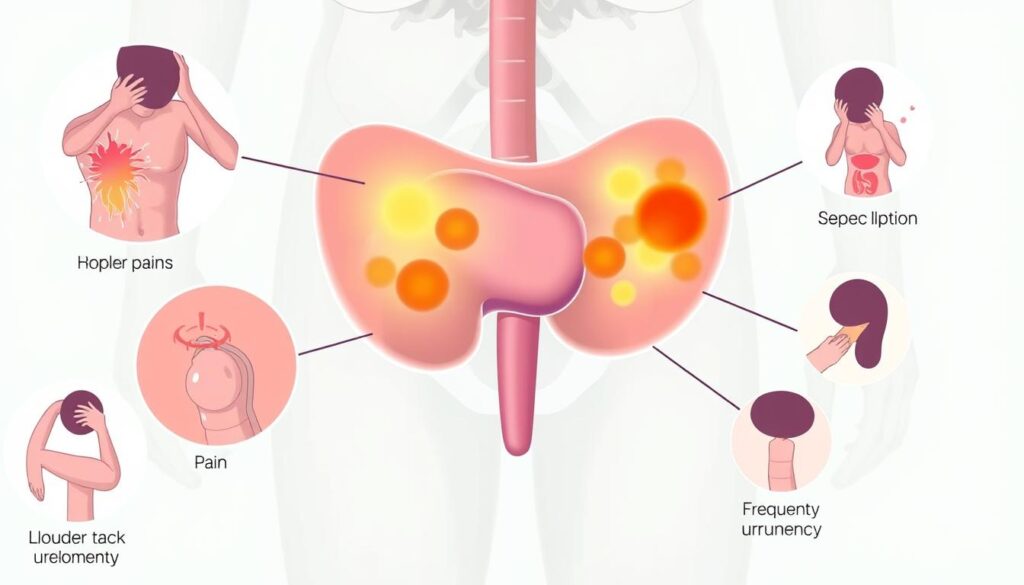
Bladder inflammation can make life tough. Interstitial cystitis (IC) affects millions, causing discomfort and frequent urination1. Women often get diagnosed in their 30s or later2.
IC isn’t just a simple bladder problem. It’s a chronic condition that can really mess up your day-to-day life. You might need to pee up to 60 times daily, which is exhausting2.
Knowing about IC helps manage symptoms. The exact cause is still a mystery. Experts think autoimmune reactions, genes, and infections might play a role2.
Key Takeaways
- Interstitial cystitis primarily affects women
- Symptoms can include frequent urination and chronic pelvic pain
- Diagnosis typically occurs in patients over 30
- Triggers can include stress, exercise, and menstruation
- Managing IC requires a comprehensive approach
What is Interstitial Cystitis: Understanding the Chronic Condition
Interstitial cystitis (IC) is a complex bladder disorder affecting millions of Americans. It causes severe bladder discomfort and disrupts daily life. This chronic condition leads to painful urination and unpredictable symptoms3.
IC has unique traits and a widespread impact. It affects about 1.2 million Americans. Women are five times more likely to have IC than men3.
The Role of Bladder Function in IC
A healthy bladder stores urine and signals the brain when it’s full. IC disrupts these signals, causing frequent and urgent urination. Some patients may need to urinate up to 60 times daily3.
This frequent need can cause major personal and work problems.
Common Misconceptions About IC
- IC is not a simple urinary tract infection
- The condition affects people of all ages
- Symptoms persist for more than six weeks
Impact on Quality of Life
Living with IC means managing ongoing bladder discomfort. Patients often need long-term care to control symptoms effectively4.
IC is a complex condition that demands patience, understanding, and personalized medical care.
| IC Characteristics | Details |
|---|---|
| Prevalence | 4-12 million Americans affected5 |
| Gender Distribution | More common in women3 |
| Age of Onset | Typically appears in mid-40s3 |
Your IC journey is unique. It’s challenging, but good management can help improve your life. You can regain control and boost your overall well-being4.
Recognizing Signs and Triggers of Bladder Pain Syndrome
Bladder pain syndrome can disrupt your daily life through pelvic floor dysfunction and bladder inflammation. Knowing its signs and triggers is vital for effective management. Women in their 40s are most affected, but it can occur at any age.
Key symptoms of bladder pain syndrome include:
- Frequent urination
- Urgent need to urinate
- Persistent pelvic pain
- Discomfort during sexual intercourse
- Pressure and soreness around the bladder
About 3-7% of women experience bladder pain syndrome. Symptoms may vary, with periods of relief followed by intense flare-ups6.
Common triggers that can worsen your symptoms include:
- Certain foods and drinks
- Stress
- Physical activities
- Menstrual cycles
“Understanding your personal triggers is key to managing bladder pain syndrome effectively.”
Diet plays a crucial role in managing urinary frequency. Avoid trigger foods like citrus fruits, tomatoes, caffeine, alcohol, and spicy foods6. These can worsen bladder inflammation and increase discomfort.
If you have ongoing bladder pain or unusual urinary symptoms, see a doctor. Diagnosis involves ruling out other conditions and may require several tests6.
Treatment Options and Management Strategies
Managing interstitial cystitis requires a tailored approach to address your unique symptoms. Your treatment journey might involve multiple strategies to find relief. Healthcare professionals recommend various methods to improve your quality of life.
Medication and Medical Interventions
Your doctor may prescribe different medications to manage interstitial cystitis symptoms. These can include oral medications like Elmiron, antidepressants for pain, and anti-inflammatory drugs.
Muscle relaxants are another option. Bladder instillations can also be effective. One study showed 80% of patients had less pain after a single treatment.
- Oral medications like Elmiron
- Antidepressants for pain management
- Anti-inflammatory drugs
- Muscle relaxants
Bladder instillations can be an effective treatment method. In one small study, approximately 80 percent of patients experienced decreased pain for at least four hours after a single treatment with heparin, sodium bicarbonate, and lidocaine7.
Lifestyle Modifications and Diet Changes
Diet changes are crucial in managing interstitial cystitis. You might need to avoid certain foods that trigger symptoms. Keeping a food diary can help identify your personal triggers.
| Foods to Avoid | Recommended Foods |
|---|---|
| Citrus fruits | Herbal teas |
| Spicy foods | Low-acid vegetables |
| Caffeine | Water |
Physical Therapy and Alternative Treatments
Physical therapy can greatly improve your symptoms. One study found that 59 percent of women experienced improvement in their IC/BPS symptoms after pelvic physical therapy7.
Other helpful techniques include pelvic floor exercises and stress reduction. Biofeedback and bladder retraining can also be beneficial.
- Pelvic floor exercises
- Stress reduction techniques
- Biofeedback
- Bladder retraining
Managing interstitial cystitis is a personal journey that may require patience and collaboration with healthcare professionals.
Conclusion
Living with Interstitial Cystitis (IC) or bladder pain syndrome can be tough. But knowing about your condition helps you take charge. IC is a chronic urinary health issue, yet there are ways to manage it well8.
Your IC experience is unique, and treatments vary. About 2% of women have these symptoms. 90% say it greatly affects their daily life9. Your doctor can help create a plan for your specific needs.
Studies show progress in understanding and treating IC. Many patients have less pain and fewer symptoms with the right care10. While there’s no cure, people can manage IC effectively.
Medical treatments, lifestyle changes, and supportive therapies often help. You’re not alone in this. Ongoing research explores new options for IC. Stay in touch with doctors and support groups.
Be proactive about your health. There’s hope for better IC management in the future.
FAQ
What exactly is Interstitial Cystitis (IC)?
Interstitial Cystitis is a chronic condition affecting the bladder. It causes pressure, pain, and sometimes pelvic discomfort. IC mostly affects women, leading to urgent and frequent urination.
What are the primary symptoms of Interstitial Cystitis?
Main symptoms include chronic pelvic pain and frequent urination. Patients may urinate up to 60 times a day. Pain often eases after urinating.
For women, pain between the vagina and anus is possible. Symptom severity can change over time, with periods of relief.
What causes Interstitial Cystitis?
The exact cause of IC remains unknown. Possible factors include bladder lining defects and autoimmune reactions. Heredity, infections, and allergies may also play a role.
IC is more common in women and people over 30. Those with chronic pain disorders are also at higher risk.
Can Interstitial Cystitis be cured?
There’s no definitive cure for IC yet. Treatments aim to manage symptoms and improve life quality. Options include medications, diet changes, and physical therapy.
Stress reduction techniques can help. In some cases, doctors may recommend surgical interventions.
What triggers can worsen IC symptoms?
Certain foods and drinks can trigger IC symptoms. Stress, physical activities, and sexual intercourse may also worsen them. Other potential triggers include menstruation, prolonged sitting, and exercise.
Identifying and avoiding personal triggers helps manage symptom severity.
What treatment options are available for IC?
Treatment options include oral medications like Elmiron and antidepressants. Anti-inflammatories and bladder instillations can also help. Dietary changes and stress reduction techniques are beneficial.
Physical therapy and nerve stimulation are other options. Severe cases might require surgery. Treatment is often personalized.
How does IC impact daily life?
IC can significantly affect quality of life. It causes challenges with frequent urination and chronic pain. Reduced bladder capacity and potential sexual problems are common.
Many patients experience emotional distress. Managing symptoms through treatment plans and lifestyle changes is crucial.
When should I see a healthcare provider?
Consult a healthcare provider if you have chronic bladder pain. Persistent urinary urgency and frequent urination are also concerns. Seek help if symptoms disrupt your daily activities.
A professional can diagnose IC by ruling out other similar conditions.
Source Links
- Interstitial Cystitis – https://www.kidney.org/kidney-topics/interstitial-cystitis
- Interstitial cystitis-Interstitial cystitis – Symptoms & causes – Mayo Clinic – https://www.mayoclinic.org/diseases-conditions/interstitial-cystitis/symptoms-causes/syc-20354357
- Understanding Interstitial Cystitis Diagnosis and Treatment | Incontinence Institute – https://myconfidentlife.com/blog/understanding-interstitial-cystitis-diagnosis-and-treatment
- What Is Interstitial Cystitis/Bladder Pain Syndrome? – https://my.clevelandclinic.org/health/diseases/15735-interstitial-cystitis-painful-bladder-syndrome
- Understanding IC/BPS | Interstitial Cystitis Association – https://www.ichelp.org/understanding-ic/
- Interstitial Cystitis – https://www.hopkinsmedicine.org/health/conditions-and-diseases/interstitial-cystitis
- Patient education: Treatment of interstitial cystitis/bladder pain syndrome (Beyond the Basics) – https://www.uptodate.com/contents/treatment-of-interstitial-cystitis-bladder-pain-syndrome-beyond-the-basics/print
- Current Understanding and Future Perspectives of Interstitial Cystitis/Bladder Pain Syndrome – https://pmc.ncbi.nlm.nih.gov/articles/PMC8255826/
- Patient education: Diagnosis of interstitial cystitis/bladder pain syndrome (Beyond the Basics) – https://www.uptodate.com/contents/diagnosis-of-interstitial-cystitis-bladder-pain-syndrome-beyond-the-basics/print
- Frontiers | Quality-of-life impact of interstitial cystitis and other pelvic pain syndromes – https://www.frontiersin.org/journals/pain-research/articles/10.3389/fpain.2023.1149783/full

