
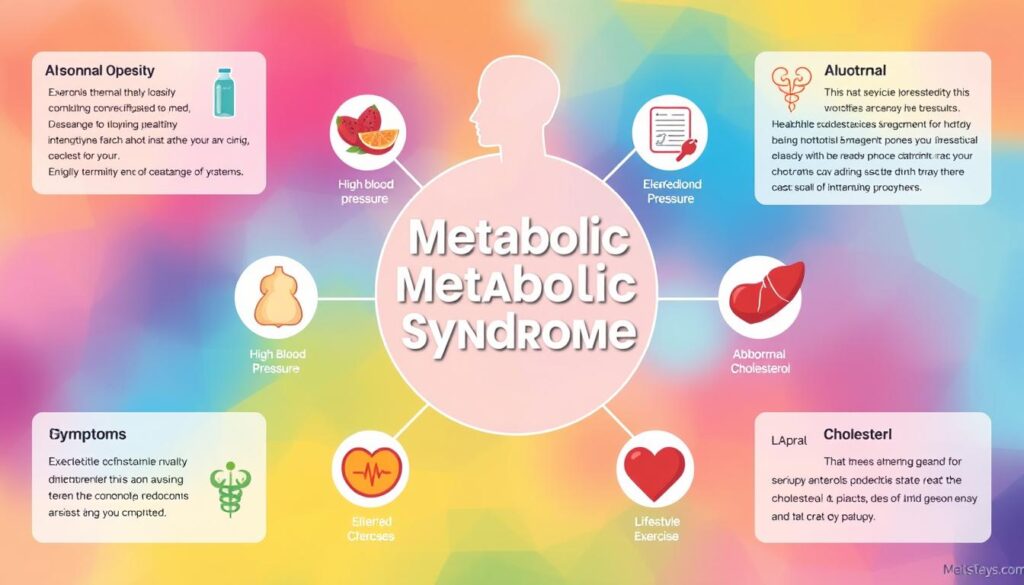
Metabolic syndrome is a complex health issue affecting millions of Americans. It raises the risk of serious health problems. High blood pressure, high blood sugar, and extra belly fat are signs of this syndrome1.
Learning about metabolic syndrome can help you take steps for better health2. Almost one in three Americans have this condition. It greatly increases the risk of heart disease and type 2 diabetes1.
Obesity, insulin resistance, and lifestyle choices are linked to metabolic syndrome3. Poor diet, lack of exercise, and aging raise your risk2. Obesity is a key factor in developing this condition.
Nearly 1 in 5 young people in the U.S. are obese. This has serious long-term health effects3. Your genes, eating habits, and activity levels can affect your chances of getting metabolic syndrome3.
Key Takeaways
- Metabolic syndrome affects approximately 1 in 3 Americans
- Obesity and insulin resistance are primary risk factors
- Lifestyle changes can significantly reduce syndrome risks
- Regular exercise is crucial for prevention
- Multiple health markers contribute to the diagnosis
What is Metabolic Syndrome and Its Impact on Health
Metabolic syndrome is a complex health condition affecting millions of Americans. It involves a group of health risks that increase chances of serious medical problems. Up to one-third of U.S. adults live with this challenging condition4.
Key Risk Factors and Causes
Knowing metabolic syndrome risk factors can help you protect your health. Key risks include:
- Age progression4
- Obesity, especially abdominal weight gain4
- Family history of type 2 diabetes4
- Ethnic background (Hispanic individuals are at highest risk)4
Common Signs and Symptoms to Watch For
| Metabolic Syndrome Indicators | Diagnostic Criteria |
|---|---|
| Waist Circumference | Women: > 35 inches, Men: > 40 inches5 |
| Blood Pressure | 130/80 mm Hg or higher5 |
| Fasting Blood Glucose | ≥ 100 mg/dL5 |
| Triglyceride Levels | > 150 mg/dL5 |
| HDL Cholesterol | Men: 2 |
How Metabolic Syndrome Affects Your Body
Metabolic syndrome can trigger serious health issues. These include increased inflammation, dyslipidemia, hypertension, and higher risk of type 2 diabetes. Such conditions can greatly impact your heart health and overall well-being5.
Your lifestyle choices play a crucial role in preventing and managing metabolic syndrome.
Maintaining a healthy weight is key to reducing your risk. Regular exercise and a balanced diet also help protect your long-term health4.
Comprehensive Treatment Options for Managing Metabolic Syndrome
Metabolic syndrome requires a multi-faceted approach. It combines lifestyle changes, diet, exercise, and sometimes medication. Your health journey begins with understanding and implementing changes to reduce metabolic syndrome risks6.
Lifestyle changes are key in managing this complex health condition. Here are strategies to help you regain control:
- Achieve moderate weight loss (5% of body weight can significantly improve insulin action)7
- Implement regular physical activity6
- Follow a balanced, nutritious diet
Physical activity is crucial for managing metabolic syndrome. Experts recommend at least 30 minutes of moderate-intensity exercise daily6. This helps manage weight and improves overall metabolic health.
Your metabolism is not a fixed destination, but a journey you can actively influence through smart choices.
Dietary interventions should focus on:
- Reducing saturated and trans fats
- Limiting sodium and sugar intake
- Increasing consumption of whole grains, fruits, and vegetables6
| Treatment Approach | Key Benefits |
|---|---|
| Weight Loss | Improved insulin sensitivity |
| Regular Exercise | Reduced cardiovascular risk |
| Medication | Manage specific metabolic components |
Sometimes lifestyle changes aren’t enough, and medication becomes necessary. Oral hypoglycemic medications can help manage specific metabolic syndrome components7.
Always consult your healthcare provider for the best treatment plan. They can determine the most appropriate approach for your individual needs8.
Conclusion
Metabolic syndrome is a major health issue affecting over 20% of Americans. It significantly raises the risk of heart diseases and diabetes9. Understanding these risks and taking action is crucial for your well-being.
Preventing metabolic syndrome is essential. Regular exercise, a balanced diet, and health monitoring can greatly reduce your risk. Experts recommend lifestyle changes for meaningful weight loss10. These strategies can improve your health and prevent serious complications.
As you age, your risk of metabolic syndrome increases9. Early intervention and consistent health checks are vital. Work with your doctor to create a personalized plan for managing your metabolic health.
Managing metabolic syndrome is an ongoing process. Take a proactive approach to prevention and make informed lifestyle choices. By taking control now, you’re setting yourself up for a healthier future.
FAQ
What exactly is metabolic syndrome?
Metabolic syndrome is a group of health issues that raise your risk of heart problems and diabetes. It happens when you have at least three out of five specific health markers. These include high blood pressure, blood sugar, and belly fat.
Abnormal cholesterol and high triglycerides are also part of the condition. About one-third of U.S. adults have metabolic syndrome.
Who is most at risk for developing metabolic syndrome?
Your risk goes up with age, obesity, and a family history of diabetes. Hispanics have the highest risk among ethnic groups. A sedentary lifestyle also increases your chances of getting it.
If you carry extra weight around your middle, you’re more likely to develop metabolic syndrome.
What are the key signs I should watch out for?
Watch for a large waist and high blood pressure above 130/85 mmHg. High fasting blood glucose over 100 mg/dL is another sign. Look for high triglycerides over 150 mg/dL.
Low HDL cholesterol is also a concern. For men, it’s below 40 mg/dL. For women, it’s below 50 mg/dL.
How does metabolic syndrome affect my overall health?
Metabolic syndrome increases inflammation in your body and promotes insulin resistance. It can lead to fatty liver disease and sleep apnea. The syndrome also raises your risk of heart disease and type 2 diabetes.
Can metabolic syndrome be reversed?
Yes! You can manage and possibly reverse metabolic syndrome through lifestyle changes. Losing weight and eating a balanced diet are key steps. Regular exercise, like daily walks, can help too.
In some cases, medication may be needed to manage specific health markers.
What lifestyle changes can help prevent metabolic syndrome?
Keep a healthy weight and stay physically active. Eat a balanced diet with fruits, vegetables, and whole grains. Avoid smoking and limit alcohol consumption.
Regular check-ups are important too. Early action and healthy habits can stop metabolic syndrome from getting worse.
Do I need medication to treat metabolic syndrome?
Lifestyle changes are the main treatment, but some people may need medication. This could be for high blood pressure, high cholesterol, or high blood sugar.
Work with your doctor to create a plan that fits you. It might include both lifestyle changes and targeted medications.
Source Links
- The Metabolic Syndrome – https://www.hopkinsmedicine.org/health/conditions-and-diseases/the-metabolic-syndrome
- Metabolic syndrome – https://www.nhs.uk/conditions/metabolic-syndrome/
- Metabolic syndrome: Symptoms, diagnosis, and causes – https://www.medicalnewstoday.com/articles/263834
- Metabolic syndrome: Increased risk of cardiovascular disease, diabetes-Metabolic syndrome – Symptoms & causes – Mayo Clinic – https://www.mayoclinic.org/diseases-conditions/metabolic-syndrome/symptoms-causes/syc-20351916
- Metabolic Syndrome – https://www.hopkinsmedicine.org/health/conditions-and-diseases/metabolic-syndrome
- AHA and NHLBI Review Diagnosis and Management of the Metabolic Syndrome – https://www.aafp.org/pubs/afp/issues/2006/0915/p1039.html
- Standard and Novel Treatment Options for Metabolic Syndrome and Diabetes Mellitus – https://pmc.ncbi.nlm.nih.gov/articles/PMC4022706/
- Approach Considerations, Pharmacologic Therapy, Diet – https://emedicine.medscape.com/article/165124-treatment
- Metabolic Syndrome – StatPearls – NCBI Bookshelf – https://www.ncbi.nlm.nih.gov/books/NBK459248/
- Metabolic Syndrome – Endotext – NCBI Bookshelf – https://www.ncbi.nlm.nih.gov/books/NBK278936/

