
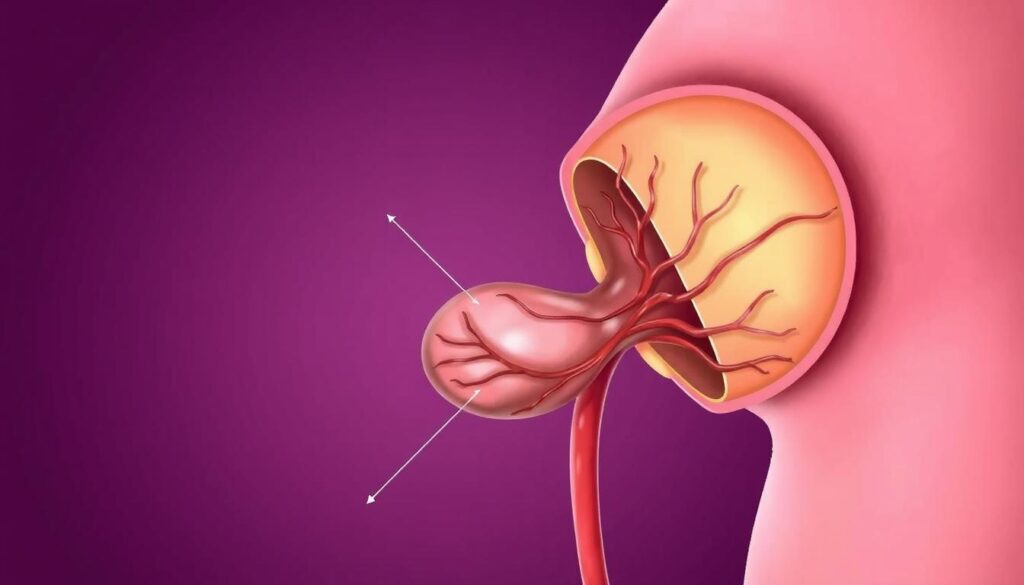
Placental abruption is a serious pregnancy complication. It happens when the placenta detaches from the uterus too early. This rare condition affects about 1% of pregnancies1.
Knowing the signs of placental abruption is crucial. It usually occurs in the third trimester. Quick medical help is vital for both mom and baby’s health1.
If you bleed during pregnancy, see your doctor right away. They’ll check for potential risks. Early detection can prevent serious problems1.
Regular prenatal care helps spot complications early. Your doctor will watch for risk factors. These include high blood pressure, smoking, and older maternal age1.
Key Takeaways
- Placental abruption affects roughly 1% of pregnancies
- Immediate medical attention is crucial when symptoms appear
- Risk factors include hypertension and maternal age
- Early detection can prevent serious complications
- Comprehensive prenatal care is essential for monitoring
What is Placental Abruption: Essential Overview
Placental abruption is a critical pregnancy condition that can seriously affect maternal and fetal health. It happens when the placenta separates from the uterine wall before childbirth. This can create dangerous complications for both mother and baby2.
Placental abruption is crucial for expectant mothers to understand. It can lead to significant maternal complications and potential fetal distress3. This rare condition occurs in about 1 in every 100 pregnancies3.
How Placental Abruption Affects Pregnancy
Placental abruption disrupts the vital connection between mother and baby. The separation can stop the fetus from getting essential oxygen and nutrients. This can cause serious issues for the baby.
- Premature birth
- Intrauterine growth restriction
- Increased risk of stillbirth
Risk Factors and Common Causes
Several key factors can increase the chance of placental disorders:
- Maternal age over 35
- Chronic hypertension
- Smoking
- Cocaine use
- Previous placental abruption history
Impact on Mother and Baby
Placental abruption can have severe consequences. Mothers may experience significant bleeding and potential shock. In rare cases, emergency medical interventions might be necessary.
Babies might face restricted growth, oxygen deprivation, or premature birth2. These issues can have long-lasting effects on the child’s health.
“Early detection and proper medical management are critical in managing placental abruption risks.”
Proactive prenatal care and knowing potential warning signs can help reduce risks. Stay informed and work closely with your healthcare provider throughout your pregnancy.
Recognizing Signs and Symptoms of Placental Abruption
Placental abruption is a serious pregnancy complication. It affects about 1 in 120 deliveries. Knowing the warning signs can save lives.
Key indicators of placental abruption include:
- Sudden vaginal bleeding, which can range from light spotting to heavy flow
- Intense abdominal pain that is sharp and unexpected
- Persistent back pain
- Uterine tenderness or unusual rigidity
- Decreased fetal movement
Not all abruptions show visible bleeding. Some cases are concealed or occult. Blood stays trapped behind the placenta4. This can make diagnosis tricky for doctors.
“Any unusual pain or bleeding during pregnancy demands immediate medical attention,” warns maternal health experts.
Certain factors raise the risk of placental abruption. These include high blood pressure, older age, and past pregnancy issues4. Severe cases may need an emergency cesarean delivery.
Symptoms can vary but should never be ignored. Possible outcomes include brain injury or cerebral palsy in the baby. In worst cases, it can lead to fetal death4.
Your health and your baby’s safety come first. Always seek medical help if you notice any warning signs.
Conclusion
Placental abruption is a rare but serious pregnancy complication. It affects about 1% of pregnancies56. Knowing your risk factors is key to managing potential issues.
Your health plays a crucial role in preventing placental disorders. Control chronic conditions like hypertension and avoid smoking to lower your risk5. In emergencies, your doctor may consider a cesarean delivery for the safest outcome.
Regular prenatal check-ups help protect against postpartum hemorrhage risks. Be aware that past abruptions may increase risk in future pregnancies5. Stay informed and work closely with your medical team.
For more information, visit the March of Dimes pregnancy resources. Your proactive approach can make a big difference in managing placental complications.
Stay informed and keep open communication with your healthcare provider. Listen to your body throughout your pregnancy journey. Your attentiveness can lead to better outcomes for you and your baby.
FAQ
What exactly is placental abruption?
Placental abruption is a serious pregnancy complication. It happens when the placenta separates from the uterine wall before delivery. This condition affects about 1 in 100 pregnancies. It can deprive your baby of oxygen and nutrients, risking both mother and child’s health.
What are the primary symptoms of placental abruption?
Key signs include vaginal bleeding, sudden severe abdominal pain, and back pain. You might also experience uterine tenderness, frequent intense contractions, and decreased fetal movement. Symptoms can vary in intensity. Not all bleeding may be visible if trapped behind the placenta.
What are the main risk factors for placental abruption?
Major risk factors include being over 35, high blood pressure, and smoking. Cocaine use, previous placental abruption, and abdominal trauma also increase risk. Certain medical conditions can play a role too. Your lifestyle choices can greatly impact your chances of this complication.
How serious can placental abruption be for my baby?
Placental abruption can lead to premature birth and growth restriction. In severe cases, it may cause oxygen deprivation or stillbirth. The severity depends on how much placenta separates and how quickly treatment begins.
What treatment options are available for placental abruption?
Treatment varies based on the abruption’s severity and your pregnancy stage. It ranges from close monitoring to immediate delivery. In some cases, an emergency cesarean section may be necessary. The main goal is ensuring safety for both mother and baby.
Can placental abruption be prevented?
While not always preventable, you can lower your risk. Manage health conditions, attend regular prenatal care, and avoid smoking and drugs. Control your blood pressure and protect yourself from potential abdominal trauma during pregnancy.
When should I seek immediate medical attention?
Contact your healthcare provider right away if you experience vaginal bleeding or sudden abdominal pain. Seek help for back pain, reduced fetal movement, or any unusual symptoms. Quick medical intervention is crucial in managing placental abruption.
What are potential complications for the mother?
Mothers with placental abruption can face severe blood loss and potential shock. In rare cases, organ failure or emergency hysterectomy may occur. These risks highlight the importance of immediate and thorough medical care.
Source Links
- Placental Abruption | Birth Injury Center – https://birthinjurycenter.org/pregnancy-complications/placental-abruption/
- Placental abruption-Placental abruption – Symptoms & causes – Mayo Clinic – https://www.mayoclinic.org/diseases-conditions/placental-abruption/symptoms-causes/syc-20376458
- Placental Abruption – https://my.clevelandclinic.org/health/diseases/9435-placental-abruption
- Placental Abruption or Abruptio Placenta – Dugan, Babij, Tolley & Kohler – https://www.medicalneg.com/placental-abruption-or-abruptio-placenta/
- Placental Abruption at Near-Term and Term Gestations: Pathophysiology, Epidemiology, Diagnosis, and Management – https://pmc.ncbi.nlm.nih.gov/articles/PMC10176440/
- Placental Abruption | GLOWM – https://www.glowm.com/section-view/heading/Placental Abruption/item/122

