
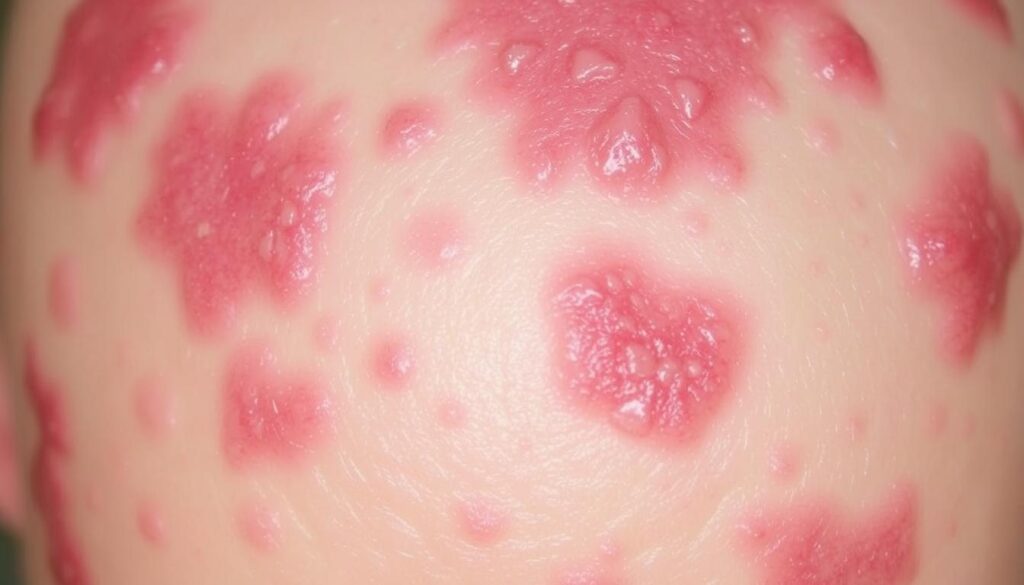
Seborrheic dermatitis is a common skin problem that affects oily areas of your body. It causes skin flaking and irritation, making daily life uncomfortable for many1. Learning about this condition can help you manage its symptoms better2.
This skin issue affects 3% to 12% of people1. It mainly occurs in two age groups: infants and adults2. Your age, gender, and health may influence your chances of getting it2.
Seborrheic dermatitis shows up as scaly patches and dandruff on the scalp, face, and chest. It can be stubborn in teens and adults, often needing specific treatment3.
Key Takeaways
- Seborrheic dermatitis affects 3-12% of people
- The condition occurs in infants and adults
- Multiple treatment options are available
- More common in males
- Can impact various body areas with oily skin
What is Seborrheic Dermatitis?
Seborrheic dermatitis is a common skin problem that can affect your daily life. It causes inflammation in areas with many oil glands. This chronic condition can lead to uncomfortable and embarrassing symptoms45.
Knowing about this skin disorder helps you handle its ups and downs. It usually shows up at certain times in life:
Who is Most Affected?
Some groups are more likely to get seborrheic dermatitis:
- Men are more susceptible than women45
- Black individuals have higher prevalence4
- Adults over 50, especially those over 654
Common Symptoms of Scalp Flaking
To spot seborrheic dermatitis, look for these key signs:
- Dandruff-like skin flaking
- Greasy, yellowish-white scales
- Persistent skin redness
- Itching and irritation
Areas Most Impacted
This skin problem can show up on body parts that make lots of oil:
- Scalp
- Face
- Chest
- Back
- Ears
While seborrheic dermatitis can be persistent, proper management can significantly reduce its impact on your daily life.
Knowing your risk factors and symptoms is key to managing this tricky skin condition. With the right approach, you can keep it under control45.
Causes of Seborrheic Dermatitis
Seborrheic dermatitis stems from complex biological and environmental factors. Understanding these causes helps manage this tricky skin condition better. Let’s explore the key factors behind this skin disorder.
Role of Malassezia Yeast
Malassezia yeast naturally lives on human skin. When it overgrows, it can trigger inflammation and skin irritation6. This overgrowth makes your skin more sensitive and prone to scaly patches and redness.
Genetic and Personal Risk Factors
Your genes play a big role in seborrheic dermatitis. Some people are more likely to get it6:
- Males are more commonly affected
- Adults between 30-60 years are at higher risk
- People with specific medical conditions have increased susceptibility
Environmental and Health Triggers
Several factors can make seborrheic dermatitis worse. These include:
- Stress and fatigue
- Seasonal changes
- Hormonal fluctuations
- Neurological conditions like Parkinson’s disease
- Immune system disorders
While seborrheic dermatitis can be frustrating, understanding its causes empowers you to manage and minimize its impact on your skin health.
Good news: seborrheic dermatitis isn’t contagious. It also doesn’t increase your risk of skin cancer6. Knowing these triggers helps you take steps to control symptoms.
Effective Treatments for Seborrheic Dermatitis
Seborrheic dermatitis management requires a well-rounded approach. Your treatment plan will depend on your condition’s severity and location7.
Over-the-Counter Remedies
Many effective scalp treatments are available at local pharmacies. Dandruff shampoos with specific ingredients can help manage symptoms:
- Selenium sulfide
- Zinc pyrithione
- Coal tar
These products reduce skin irritation and control yeast growth8. They work by targeting inflammation and fungal overgrowth.
Prescription Treatments
For stubborn cases, doctors may suggest prescription-strength treatments. Ketoconazole, a potent antifungal medication, is often prescribed to fight skin yeast overgrowth7.
| Treatment Type | Common Medications | Purpose |
|---|---|---|
| Topical Antifungals | Ketoconazole | Reduce yeast growth |
| Corticosteroids | Hydrocortisone | Reduce inflammation |
| Calcineurin Inhibitors | Tacrolimus | Control immune response |
Lifestyle and Home Remedies
Your daily habits can greatly affect seborrheic dermatitis management. Try these natural approaches:
- Stress reduction techniques
- Tea tree oil treatments
- Aloe vera applications
Natural remedies can complement medical treatments, but always consult your healthcare provider first.
Seborrheic dermatitis is a long-term condition that needs ongoing care. Some people may see improvements during summer months8.
Managing Seborrheic Dermatitis Long-term
Seborrheic dermatitis management requires patience and consistent care. Understand your body’s unique triggers to develop a personalized approach. Regular monitoring and lifestyle changes can reduce flare-ups significantly.
A robust skincare routine is vital for long-term control. Use gentle, zinc-containing cleansers and medicated shampoos like Nizoral or Selsun. These products help control yeast growth on your scalp.
Consider using an anti-yeast shampoo weekly as prevention, even after symptoms improve9. This helps maintain scalp health and prevents flare-ups.
Stress can worsen seborrheic dermatitis symptoms. Practice stress management techniques and maintain a consistent sleep schedule. Avoid triggers like seasonal changes to keep your skin calm.
If symptoms last over two weeks or affect daily life, see a dermatologist. They can create a tailored treatment plan for your needs.
Remember, seborrheic dermatitis can’t be cured but can be managed effectively9. Stay proactive and consistent with your skincare routine. This approach helps minimize discomfort and maintain healthy skin.
FAQ
What exactly is seborrheic dermatitis?
Seborrheic dermatitis is a common skin condition. It causes scaly patches, inflamed skin, and stubborn dandruff. The condition affects areas with many oil-producing glands, like the scalp and face.
It’s not contagious and doesn’t cause permanent hair loss. While irritating, it can be managed with proper care.
Who is most likely to develop seborrheic dermatitis?
Infants and adults between 30-60 years old are most affected. Men are more likely to develop it than women. About 3-10% of people experience seborrheic dermatitis.
In babies, it often clears up on its own. Adults may have recurring flare-ups throughout their life.
What causes seborrheic dermatitis?
The exact cause is unclear, but it likely involves multiple factors. An overgrowth of Malassezia yeast on the skin may trigger inflammatory reactions.
Risk factors include stress, fatigue, and hormonal changes. Harsh chemicals, cold weather, and certain medications can also play a role. Medical conditions like HIV and Parkinson’s disease increase the risk.
What are the typical symptoms of seborrheic dermatitis?
Symptoms include flaking skin (dandruff) and greasy patches with white or yellow scales. Redness and itching are also common. These can appear on the scalp, face, and other oily areas.
The condition can cause ongoing discomfort and visible skin changes. It may affect daily life and self-esteem.
How can I treat seborrheic dermatitis?
Over-the-counter dandruff shampoos with selenium, zinc pyrithione, or coal tar can help. Prescription treatments may include antifungal shampoos with ciclopirox or ketoconazole.
Topical corticosteroids or calcineurin inhibitors might be prescribed. In severe cases, oral antifungals or phototherapy could be recommended.
Are there any home remedies or lifestyle changes that can help?
Yes, you can manage symptoms through lifestyle changes. Try stress management and a gentle skincare routine. Using zinc-containing cleansers can also be helpful.
Regular use of medicated shampoos can prevent flare-ups. Getting enough sleep and reducing stress are important too.
When should I see a doctor about seborrheic dermatitis?
Seek professional help if symptoms last more than two weeks. Also, see a doctor if it significantly impacts your daily life.
A dermatologist can provide a personalized treatment plan. They can recommend appropriate products and help you manage the condition effectively.
Is seborrheic dermatitis contagious?
No, seborrheic dermatitis is not contagious. You can’t spread it to others through contact or proximity. While uncomfortable, it’s a personal skin condition.
Source Links
- Seborrheic dermatitis: Causes and treatment — DermNet – https://dermnetnz.org/topics/seborrhoeic-dermatitis
- Diagnosis and Treatment of Seborrheic Dermatitis – https://www.aafp.org/pubs/afp/issues/2015/0201/p185.html
- Seborrheic Dermatitis: What Is It, Diagnosis & Treatment – https://my.clevelandclinic.org/health/diseases/14403-seborrheic-dermatitis
- Seborrheic dermatitis: Overview – https://www.aad.org/public/diseases/a-z/seborrheic-dermatitis-overview
- Seborrheic Dermatitis – https://www.webmd.com/skin-problems-and-treatments/seborrheic-dermatitis-medref
- What is seborrheic dermatitis and how do you know if you have it? – https://nationaleczema.org/eczema/types-of-eczema/seborrheic-dermatitis/
- Optimizing Treatment Approaches in Seborrheic Dermatitis – https://pmc.ncbi.nlm.nih.gov/articles/PMC3579488/
- VA.gov | Veterans Affairs – https://www.va.gov/WHOLEHEALTHLIBRARY/tools/seborrheic-dermatitis.asp
- Seborrhoeic dermatitis in adults – National Eczema Society – https://eczema.org/information-and-advice/types-of-eczema/seborrhoeic-dermatitis-in-adults/

