
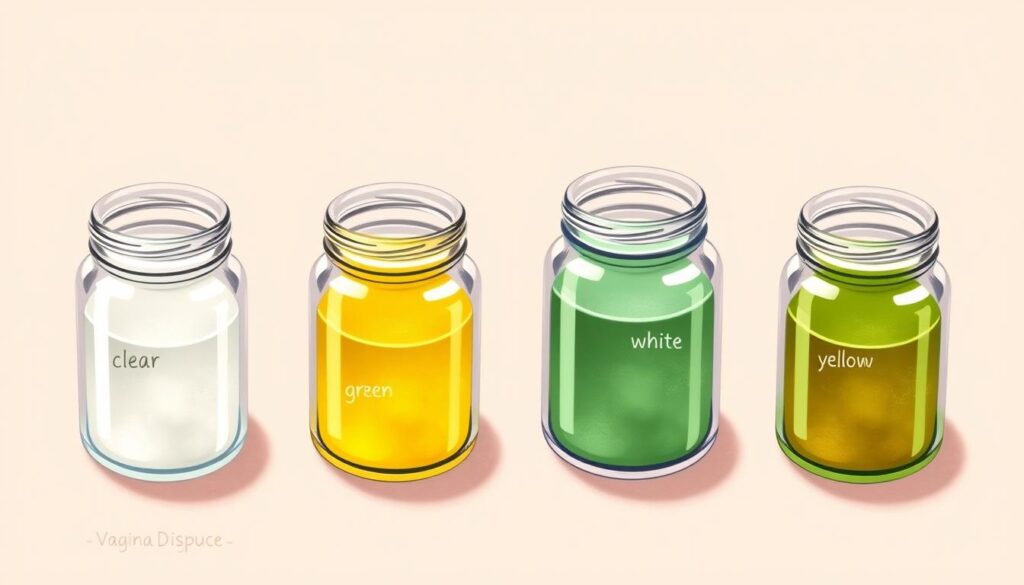
Vaginal discharge is key to monitoring your reproductive health. It’s a natural process that keeps your vagina clean. The Vaginal Discharge Color Guide helps you understand what different colors mean.
Your body speaks through these subtle changes. They offer insights into your overall wellness. Discharge volumes vary from ¼ to a full tablespoon daily.
This normal function changes throughout your menstrual cycle. It provides valuable information about your fertility and health. Tracking discharge can reveal important details about your reproductive system.
About 1 in 5 people notice unique discharge patterns. Clear, stretchy discharge often signals upcoming ovulation. By observing these changes, you can learn your body’s rhythms better.
Key Takeaways
- Vaginal discharge is a normal, healthy bodily function
- Daily discharge volume typically ranges from ¼ to 1 tablespoon
- Discharge color and consistency can indicate reproductive health
- Ovulation can be predicted through specific discharge characteristics
- Regular monitoring helps understand your body’s changes
Understanding Normal Vaginal Discharge and Its Purpose
Your body has an amazing defense system for reproductive health. Vaginal discharge is produced by glands in the vagina and cervix. It cleans and protects your reproductive tract2.
Vaginal discharge is vital for your body’s natural processes. Its traits can change throughout your menstrual cycle. These changes reflect different stages of hormonal shifts3.
What is Vaginal Discharge?
Discharge is a natural fluid that removes old cells. It helps maintain vaginal hygiene. Healthy discharge can range from clear to milky white3.
Discharge Changes During Menstrual Cycle
- Days 1-5: Discharge is typically red or bloody during menstruation
- Days 6-14: Discharge becomes cloudy, white, or yellow
- Ovulation (Days 14-25): Discharge becomes thin and slippery
Factors Affecting Discharge
| Factor | Impact on Discharge |
|---|---|
| Hormonal Changes | Alters discharge consistency and amount |
| Sexual Arousal | Increases discharge production |
| Pregnancy | Changes discharge volume and texture |
Monitoring your discharge color changes can provide insights into your reproductive health. Discharge color can vary, but regular observation helps. You’ll learn your body’s normal patterns2.
Understanding your body’s natural processes is key to maintaining reproductive health.
Vaginal Discharge Color Guide: Identifying Different Types
Your body communicates through vaginal discharge colors, offering clues about your reproductive health. Knowing these subtle changes helps spot potential issues early. Regular monitoring can lead to timely medical interventions when necessary.
- Clear Discharge: Typically normal and indicates healthy lubrication4
- White Discharge: Can be normal or signal a potential yeast infection56
- Yellow to Green Discharge: May suggest a bacterial infection or sexually transmitted infection5
Here’s a detailed look at abnormal discharge colors and what they might mean:
| Discharge Color | Potential Indication |
|---|---|
| White (Thick) | Possible Yeast Infection6 |
| Yellow/Green | Potential Trichomoniasis or STI5 |
| Gray | Possible Bacterial Vaginosis6 |
Remember, changes in discharge color, consistency, or odor could indicate an underlying health condition.
Unusual discharge with itching, burning, or pain requires a doctor’s visit. Don’t hesitate to seek professional advice for these symptoms.
Good vaginal hygiene practices can prevent many potential infections5. Regular care helps maintain your reproductive health and overall well-being.
Conclusion
Understanding vaginal discharge is key to maintaining good health. By recognizing color changes, you can monitor your reproductive wellness better7. Your body talks through discharge, so pay attention to changes8.
Seek medical help if you notice unusual discharge. Watch for itching, burning during urination, or unexpected color changes7. Check reliable resources for more info on vaginal health.
Every woman’s body is unique, with different discharge patterns. Keep track of your body’s signals regularly. Talk openly with your doctor about any concerns.
Trust your instincts if something feels off. Don’t hesitate to ask for expert advice when needed8.
FAQ
Is it normal to have vaginal discharge?
Vaginal discharge is completely normal. It keeps your vagina clean and healthy. This natural process removes old cells and maintains balance in your reproductive tract.
How much vaginal discharge is considered normal?
Discharge amounts vary between individuals and during your cycle. What’s normal for you might differ from others. Generally, 1-4 ml of discharge per day is typical.
What does clear discharge mean?
Clear discharge usually indicates a healthy vagina. It often signals lubrication or occurs around ovulation. This happens when your body prepares for possible conception.
When should I be concerned about my discharge color?
Be concerned if your discharge is yellow, green, or gray. Watch for cottage cheese-like consistency too. These could indicate an infection needing medical attention.
Look out for itching, burning, or strong odors. These symptoms, along with unusual discharge, may require a doctor’s visit.
Can discharge change during my menstrual cycle?
Yes, discharge changes throughout your cycle. It can be red during menstruation and clear around ovulation. At other times, it might appear white or cloudy.
What causes changes in vaginal discharge?
Hormonal changes, sexual arousal, and pregnancy can affect discharge. Medications, supplements, and overall health play a role too. Stress, diet, and hormones can impact your vaginal discharge.
Is pink discharge something to worry about?
Pink discharge is often normal. It can occur before your period or after light spotting following intercourse. If it persists or comes with other symptoms, consult a doctor.
Can birth control affect my discharge?
Yes, hormonal birth control can impact your discharge. Some methods might increase or decrease it. They can also change its consistency or color.
How can I maintain healthy vaginal discharge?
Practice good hygiene and wear breathable cotton underwear. Avoid harsh soaps and stay hydrated. Eat a balanced diet and practice safe sex.
Regular check-ups with your healthcare provider can help monitor your vaginal health.
When should I see a doctor about my discharge?
See a doctor if you notice unusual colors or thick, cottage cheese-like discharge. Strong odors, itching, or burning are also reasons to seek help.
Get medical attention for pain during urination or significant changes in your discharge pattern.
Source Links
- What does the color of my vaginal discharge mean? – https://helloclue.com/articles/your-vagina/vaginal-discharge-color-guide-what-do-the-different-colors-mean
- Vaginal discharge color guide: Causes and when to see a doctor – https://www.medicalnewstoday.com/articles/322232
- Vaginal Discharge 101: What Every Woman Should Know – https://www.monistat.com/vaginal-health-blog-articles/vaginal-discharge-101-what-every-woman-should-know
- What is the Color of Your Vaginal Discharge Telling You? – https://www.monistat.com/vaginal-health-blog-articles/what-color-your-vaginal-discharge-telling-you
- A Color Guide to Vaginal Discharge – https://www.verywellhealth.com/vaginal-discharge-color-guide-5205953
- Vaginal Discharge: Causes, Colors, What’s Normal & Treatment – https://my.clevelandclinic.org/health/symptoms/4719-vaginal-discharge
- Vaginal Discharge Color Guide: What Different Colors Mean – https://www.intimaterose.com/blogs/womens-health/vaginal-discharge-causes-and-color-guide?srsltid=AfmBOorqDRMyoZTybRlSEuIqVmaSiMJVVtdXm0GwLJAtDoMpJZJtoNz9
- Vaginal Discharge – Complete Guide for Each Color | Comprehensive OB/GYN of the Palm Beaches – https://www.toplinemd.com/comprehensive-obgyn-palm-beaches/vaginal-discharge-complete-guide-for-each-color/

