Sexual aging naturally transforms intimate experiences as you grow older. Your sexual health undergoes significant changes, reflecting the complex journey of human sexuality. Understanding these transitions helps you navigate this aspect of life confidently12.
Aging and sexuality are linked, with hormonal shifts affecting bodily responses to intimate experiences. Menopause and andropause bring changes that impact sexual desire and physical responses12. These transitions mark a new chapter of intimate connection.
Sexual health evolves with age, influenced by physical, hormonal, and psychological factors. Hormonal changes can lead to reduced libido and potential physical discomfort12. Modern approaches offer ways to maintain sexual wellness throughout life.
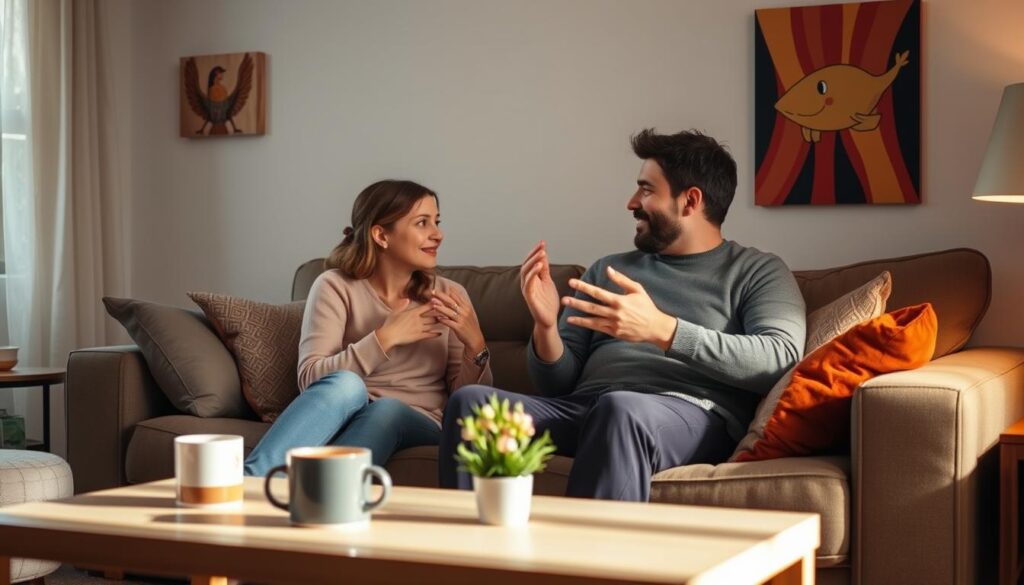
Communication is key when navigating these changes. Discussing experiences, desires, and challenges with your partner helps maintain a fulfilling relationship12. Sexuality is about connection, intimacy, and personal expression.
Key Takeaways
- Sexual senescence is a natural part of aging that affects everyone differently
- Hormonal changes can impact sexual desire and physical responses
- Open communication is crucial for maintaining intimacy
- Modern medical interventions can help address age-related sexual challenges
- Sexuality remains an important aspect of life throughout aging
Understanding Sexual Senescence and Its Impact on You
Sexual senescence is a natural part of aging intimacy. Your body and sexual experiences change as you get older. These changes are normal and manageable. Learning about them can help you maintain sexual wellness in your senior years.
Embracing these changes can lead to a fulfilling intimate life. Sexual wellness for seniors is about adapting to new experiences.
Defining Sexual Senescence
Sexual senescence refers to age-related changes in sexual function. It’s not about losing sexual desire, but adapting to new dimensions of intimacy. Many older adults maintain an active sex life.
Research shows that 42% of women and 60% of men aged 65-74 remain sexually active3. One-third of adults aged 70-80 engage in sexual activity at least twice monthly.
- 42% of women and 60% of men aged 65-74 remain sexually active
- One-third of adults aged 70-80 engage in sexual activity at least twice monthly
Common Changes During Sexual Senescence
Sexual function in aging involves several physical transformations. You might experience changes in your body and sexual response.
- Reduced hormone levels
- Decreased blood flow to sexual organs
- Changes in sexual response time
These changes are natural and don’t lessen your ability to feel sexual pleasure.
Psychological Effects of Sexual Senescence
“Sexuality is a lifelong journey of discovery and connection.”
The mental aspects of sexual senescence can be as important as physical changes. Many people find new ways to connect emotionally.
- Increased emotional intimacy
- Reduced performance anxiety
- Greater self-acceptance
Understanding these shifts can help you develop a rich and satisfying sex life. Your sexual wellness keeps evolving, offering new ways to connect and feel pleasure4.
How Aging Influences Your Sexual Health
Sexual health changes as we age. Understanding these changes helps navigate intimacy confidently. Elderly sexuality is complex, going beyond common misconceptions.
The Role of Hormonal Changes
Hormonal shifts significantly impact sexual changes with age. Women may experience early menopause symptoms in their 40s. This transition can last up to 10 years5.
Men typically face a decline in sex drive after 50. This often comes with challenges in erectile function5.
- Estrogen levels decrease, affecting vaginal lubrication
- Testosterone production gradually declines
- Libido may fluctuate due to hormonal imbalances
Physical Changes That Affect Sexuality
Various physical conditions can impact aging and sexual satisfaction. Prostate changes, diabetes, and heart disease influence sexual health5. Chronic conditions like arthritis may cause discomfort during intimate moments5.
“Intimacy is not just about physical performance, but emotional connection and understanding.”
Medications can also affect sexual function. Blood pressure drugs and antidepressants might lower libido. They can also cause sexual performance challenges5.
Embracing New Dynamics in Intimacy
Sexual changes don’t mean the end of intimacy. Adaptation and communication are crucial. Couples can explore new ways of connecting emotionally and physically.
- Use lubricants to enhance comfort
- Communicate openly about desires and limitations
- Explore non-penetrative forms of sexual expression
Sexual activity remains important for many older adults. In the 75-85 age group, 38.9% of men stay sexually active. For women, this figure is 16.8%6.
Maintaining a Healthy Sexual Life During Senescence
Sexual health in later life needs understanding and adaptability. Your intimate experiences can stay fulfilling with open talks and smart strategies. Women outlive men, offering more chances to explore intimacy differently7.
Older adult sexual health goes beyond physical contact. Couples must talk openly about changing body responses. Some men face issues like erectile dysfunction, often due to medical conditions8.
Exploring new ways to connect can keep relationships strong. This includes both physical and emotional bonds. Trying different approaches helps maintain intimacy as bodies change.
Expert help is key for sexual health concerns. Doctors who know about older adult sexuality can give personal advice. Many resources exist for understanding intimacy in later years7.
These include support groups and educational workshops. Online platforms also offer info on senior sexual health. Geriatric sexual wellness specialists can provide tailored guidance.
Sexuality changes with age but stays important. Embrace new ways of being intimate. Stay active and keep talking with your partner. Safe sex matters at every age.
Protect your health while building emotional connections. Remember, intimacy can be fulfilling at any stage of life.
FAQ
What is sexual senescence?
Sexual senescence refers to age-related changes in sexual function and reproductive capacity. It involves shifts in sexual response, including decreased libido and changes in sexual organs. These modifications affect how you experience intimacy and sexual pleasure as you age.
How do hormonal changes affect sexuality as I age?
For women, menopause causes decreased estrogen production, affecting vaginal lubrication and elasticity. Men experience a gradual decline in testosterone levels, potentially impacting libido and erectile function. These changes can significantly influence your sexual experiences.
You may need to adapt your approach to intimacy as a result. Open communication with your partner is key to navigating these changes.
Can older adults still have a satisfying sex life?
Absolutely! Many older couples report greater sexual satisfaction compared to their younger years. With fewer distractions and no pregnancy concerns, you can enjoy intimacy in new ways.
The key is open communication and being adaptable. Focus on overall connection rather than just physical performance for a fulfilling experience.
What physical changes might impact my sexual experiences?
Aging may bring decreased muscle tone, changes in body shape, and potential health conditions. These changes might require exploring new sexual positions and using lubricants or sex toys.
Find alternative ways to experience physical intimacy that feel comfortable and pleasurable. Don’t hesitate to discuss these changes with your partner.
How can I maintain a healthy sexual life during aging?
Stay physically active, maintain a healthy diet, and avoid excessive alcohol consumption. Communicate openly with your partner about your needs and desires.
Be willing to experiment with new techniques and focus on overall intimacy. Seek professional help from healthcare providers or sex therapists if you have specific concerns.
Are safe sex practices still important as I get older?
Yes, safe sex practices remain crucial at any age. Sexually transmitted infections can affect older adults, so use protection and get regular check-ups.
Don’t ignore sexual health precautions just because pregnancy is no longer a concern. Your health and safety should always be a priority.
How can I address sexual performance anxiety?
Recognize that sexual performance anxiety is common as you age. Focus on emotional intimacy and communicate openly with your partner.
Remember that sexuality is about connection, not just physical performance. Consider talking to a sex therapist for strategies to manage anxiety and enjoy intimacy.
What resources are available for sexual health information for older adults?
Look for educational materials from reputable health organizations and join support groups for older adults. Explore online forums discussing age-related sexual concerns.
Your healthcare provider can offer personalized advice about maintaining sexual health as you age. Don’t be shy about seeking information and support.
Source Links
- Sexual Senescence: How Sexuality Changes With Age and What to Do About It – https://www.embracesexualwellness.com/esw-blog/how-sexuality-changes-with-age-and-what-to-do-about-it
- Changes in Sexuality with Older People – https://www.sexualhealthclinic.london/blog/how-sexuality-changes-with-old-age-and-what-to-do-for-it
- Factors influencing the quality of sexual life in the older adults: A scoping review – https://pmc.ncbi.nlm.nih.gov/articles/PMC10148255/
- Sex differences in senescence: the role of intra-sexual competition in early adulthood – https://pmc.ncbi.nlm.nih.gov/articles/PMC4528560/
- Sex and Our Aging Bodies – https://www.ncoa.org/article/sex-after-50-how-our-changing-body-affects-our-sexual-health/
- Aging and sexuality – https://www.racgp.org.au/getattachment/e624f6e8-593e-4d6a-a310-29d36419df31/Aging-and-sexuality.aspx
- Sex differences in biological aging with a focus on human studies – https://elifesciences.org/articles/63425
- Aging changes in the male reproductive system: MedlinePlus Medical Encyclopedia – https://medlineplus.gov/ency/article/004017.htm