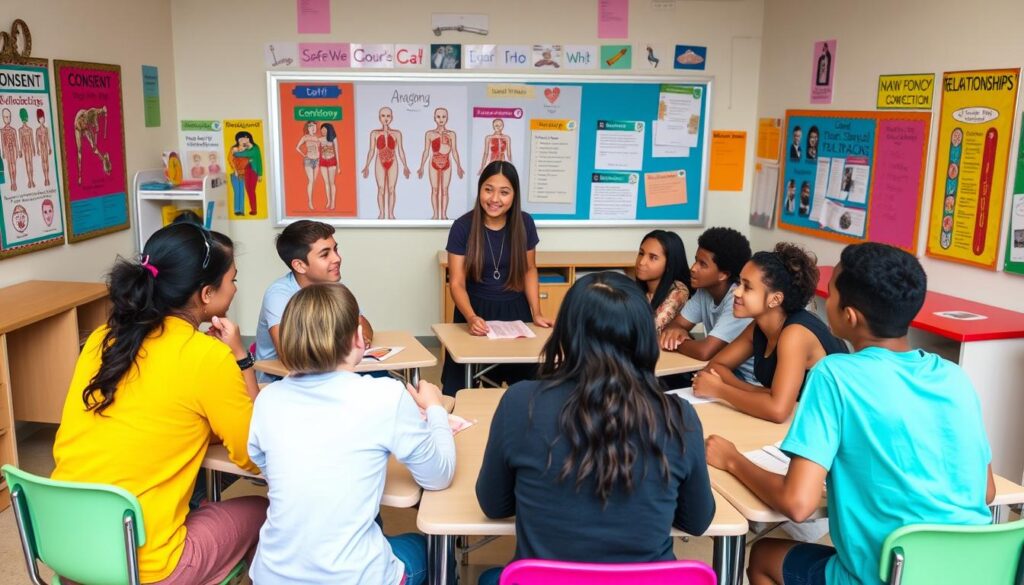
Sexual education is vital for students to understand their bodies and relationships. Schools provide a key platform for comprehensive, age-appropriate information about sexual development. They empower students to make informed decisions about their sexual health and wellness1.
Modern sexual education goes beyond basic biology. It creates a space for students to explore peak experiences and understand consent. It also helps develop healthy relationship skills.
Research shows that comprehensive programs can greatly impact students’ understanding of sexual health. These programs also help reduce risky behaviors1.
Schools bridge knowledge gaps about multiple orgasms, sexual pleasure, and intimate relationships. They provide accurate, scientific information to students. This helps students develop a mature approach to their sexual well-being2.
Key Takeaways
- Sexual education is essential for student health and development
- Comprehensive programs provide more than just biological information
- Schools help students understand consent and healthy relationships
- Evidence-based education reduces risky sexual behaviors
- Sexual education promotes understanding of personal health and wellness
Understanding the Concept of Sexual Education
Sexual education is vital for personal growth. It goes beyond biology, offering a transformative approach to human sexuality and emotional well-being3.
Sexual awareness is more than learning about physical changes. It’s about understanding relationships, emotional intelligence, and personal boundaries.
Definition and Comprehensive Understanding
Sexual education takes a holistic approach to human development. It covers several key areas:
- Biological changes during adolescence3
- Emotional and psychological development
- Healthy relationship dynamics
- Personal safety and consent
Age-Appropriate Content Considerations
Different ages need different educational approaches3:
- Early stage (10-13 years): Basic body awareness and hygiene
- Middle stage (14-16 years): Emotional intelligence and relationship skills
- Late stage (17-19 years): Advanced personal health and relationship management
“Sexual education is about empowering individuals with knowledge to make informed, healthy choices.”
Understanding sexual development helps students navigate complex emotions. It provides tools for self-understanding, respect, and healthy connections3.
The Legal Framework Governing Sexual Education
Sexual education rules differ across the United States. These guidelines impact how schools teach this vital subject. Understanding these laws is key to navigating sexual health rights.
The current state of sexual education is challenging. Less than half of U.S. schools require comprehensive sexuality education. Many students lack crucial info about sexual health and relationships.
As of 2018, fewer than half of U.S. schools require comprehensive sexuality education4. This leaves many students without critical information. It’s a problem that needs addressing.
Federal Guidelines and Funding
Federal policies shape sexual education approaches. Abstinence-only programs have received over $1.5 billion since 19825. This funding reflects changing political views on sexual education.
The Bush administration increased federal funding. Abstinence-only programs remain controversial. Experts still debate their effectiveness.
- Federal funding increased during the Bush administration
- Abstinence-only programs remain controversial
- Effectiveness of these programs continues to be debated
State-Specific Regulations
State laws create diverse approaches to sexual health education. Only about half of American teens report receiving formal sex education4. Your experience can vary greatly depending on where you live.
| Education Statistic | Percentage |
|---|---|
| Schools requiring sexuality education | Less than 50% |
| Teens learning correct condom use | 20% |
| Students receiving abstinence-only education | 35% of boys, 28% of girls |
“Sexual health education is a fundamental right that requires comprehensive, evidence-based approaches.”
These legal details matter for students, parents, and teachers. Each state’s unique approach highlights the need for proactive learning. Seeking comprehensive sexual health info is crucial.
Curriculum Development in Schools
Creating a thorough sex education curriculum needs careful planning. Schools must balance sensitive topics with community needs. This requires a strategic approach to educational programs.
Crafting a pleasure-positive curriculum involves many critical factors. These elements shape educational content and delivery. Understanding them helps create effective sexual education programs.
Key Factors Shaping Curriculum Choices
- Cultural norms and community expectations6
- Scientific research on sexual health
- Age-appropriate content guidelines
- Developmental psychological insights
Collaborative Curriculum Development
Comprehensive sex education needs active collaboration between schools, parents, and community stakeholders6. This approach ensures diverse perspectives in curriculum development. It also meets community needs effectively.
Engaging multiple stakeholders creates a more inclusive and responsive educational framework.
| Stakeholder Group | Potential Contribution |
|---|---|
| Parents | Cultural context and family values |
| Healthcare Professionals | Medical accuracy and health insights |
| Community Leaders | Social and ethical perspectives |
Educators must balance scientific accuracy with age-appropriate content. Cultural sensitivity is also crucial. The goal is to create an educational experience that empowers students with comprehensive sexual knowledge.
Implementation Strategies
- Conduct community listening sessions
- Review current scientific research
- Draft preliminary curriculum materials
- Seek multi-stakeholder feedback
- Revise and refine curriculum
Schools can develop great sexual education programs by listening to the community. Maintaining educational excellence is key. This approach ensures programs truly serve student needs6.
Role of Teachers in Sexual Education
Sex educators shape students’ understanding of sexual health and personal growth. They need specialized knowledge and compassionate communication skills. Their expertise goes beyond traditional teaching methods.
Effective sexual education needs well-trained teachers sensitive to students’ diverse needs. Sexologists and somatic therapists offer valuable insights. They help create comprehensive, age-appropriate learning experiences.
Training and Qualifications
Becoming a qualified sexual educator requires specific preparation:
- Advanced degrees in human sexuality
- Specialized certification programs
- Ongoing professional development
- Understanding of psychological and physiological aspects of sexuality
“Education is not the filling of a pail, but the lighting of a fire.” – William Butler Yeats
Creating a Safe Learning Environment
Sexual education thrives in judgment-free classrooms. Students need to feel at ease exploring sensitive topics7. Parents support comprehensive sexuality education in schools, according to national polls7.
| Key Environment Characteristics | Implementation Strategies |
|---|---|
| Respect | Clear ground rules |
| Inclusivity | Diverse representation |
| Confidentiality | Private discussion options |
Sex educators must build trust in the classroom. This allows students to ask questions freely. They can gain accurate information about sexual health7.
Research supports comprehensive approaches to sexual education. These methods help youth make informed, responsible decisions7.
Engaging Students in Sexual Education
Sexual education is a journey of self-discovery and body awareness. It empowers students to understand their physical and emotional experiences. Interactive approaches can make sexual education engaging and informative.
Interactive Learning Techniques
Effective sexual education needs creative and sensitive teaching methods. Students learn best when information is relatable and non-judgmental. Key interactive techniques include:
- Anonymous question boxes for safe inquiry
- Peer-led discussion groups
- Role-playing scenarios
- Multimedia presentations
Encouraging Open Discussions
Creating a safe space for pleasure exploration involves building trust. It also means normalizing conversations about sexual health. Research shows that comprehensive sexual education positively impacts students’ knowledge and behaviors8.
Educators can help students develop critical life skills. They do this by addressing consent, emotional intelligence, and healthy relationships.
“Knowledge is power, especially when it comes to understanding your own body and relationships.”
Strategies for open dialogue include setting ground rules and using age-appropriate language. Ensuring confidentiality is also crucial. The goal is to make students comfortable asking questions about their bodies9.
Interactive and empathetic approaches can transform sexual education. This supports students’ personal growth and well-being8.
Addressing Myths and Misconceptions
Sexual myths create barriers to understanding human sexuality and personal pleasure. Many struggle with orgasm misconceptions that limit their sexual experiences. These misunderstandings often stem from limited education and cultural taboos10.
Common Sexual Myths Debunked
- Multiple orgasms are not exclusive to any specific gender
- Orgasm and ejaculation are different physiological experiences
- Sexual pleasure varies greatly among individuals
Strategies to Combat Sexual Misinformation
Effective sexual education requires a thorough approach to dispelling sexual myths. Research-based resources provide accurate information about sexual responses and experiences11.
| Myth | Reality |
|---|---|
| Orgasms are uniform for everyone | Orgasmic experiences are highly individual |
| Only certain people can experience multiple orgasms | Multiple orgasms are possible with proper understanding |
“Knowledge is the most powerful tool in understanding human sexuality”
Addressing orgasm misconceptions promotes healthier perspectives on sexual experiences. This helps individuals develop more informed views about their sexuality12.
The Impact of Sexual Education on Student Behavior
Sexual education shapes student behavior and overall sexual well-being. It requires a comprehensive approach beyond basic biological information. This helps students understand the complex landscape of teenage sexual health.
Recent studies show important insights into high school students’ sexual behaviors. 55% of US high school students report having sexual intercourse by age 18. This highlights the urgent need for comprehensive sexual education13.
Relationship to Teen Pregnancy Rates
Sexual education strongly affects teen pregnancy rates. Current data reveals concerning trends:
- Only 9% of sexually active high school students report using both condoms and effective birth control13
- Cases of sexually transmitted infections are rising rapidly among young people13
Influence on Sexual Health Outcomes
Digital platforms are changing sexual education. Digital and blended learning programs boost sexual and reproductive health among teens14. These new approaches offer:
- Privacy and anonymity
- Customized learning experiences
- Interactive educational content
Knowledge is power, especially when it comes to understanding your sexual health and well-being.
Orgasms offer health benefits beyond physical pleasure. Good sexual education helps students understand their bodies better. It also helps them build healthy relationships and make smart choices.
Schools can empower students by teaching sensitive topics with empathy and accuracy. This helps students develop a positive approach to their sexual well-being1314.
Involving Parents and Guardians
Family communication is vital in sexual health education. Parents are the primary educators for their children. They build trust and understanding about sensitive topics.
Successful sexual health resources rely on strong school-family partnerships. Open and honest conversations about sexual health are key.
Parental involvement is crucial for comprehensive sexual education. Research shows 92% of parents want to be active in their child’s education15.
Why Parental Involvement Matters
- Builds trust between parents and children
- Provides accurate sexual health information
- Supports emotional and psychological development
- Creates a safe space for discussing sensitive topics
Resources for Family Education
Schools can offer various sexual health resources to support families. Communication strategies are key to making parents comfortable with these topics.
| Resource Type | Purpose |
|---|---|
| Workshops | Direct parent education sessions |
| Online Materials | Accessible information guides |
| Counseling Support | Professional guidance for families |
“Parents are the most influential educators in a child’s life.” – Sexual Health Education Expert
Notably, 85% of educators and parents prefer face-to-face communication over digital methods15. This highlights the importance of personal interactions when discussing sexual health.
Sexual Education and Mental Health
Sexual awareness and mental wellbeing are closely linked in students’ growth. Feeling confident about sexuality shapes psychological health and emotional balance.
A positive view of sexuality can greatly boost mental health. Mindfulness approaches have shown promise in supporting student wellness16.
These methods help build body positivity and lower stress16. Students can develop healthier attitudes towards themselves and their bodies.
Understanding Sexual Awareness and Mental Wellbeing
- Sexual confidence contributes to improved self-esteem
- Mindful sexual education reduces anxiety
- Positive body image supports mental health
Research reveals important insights into sexual health and mental wellness:
| Mental Health Aspect | Impact of Sexual Awareness |
|---|---|
| Stress Reduction | Improved emotional regulation |
| Self-Perception | Enhanced body positivity |
| Psychological Resilience | Better coping mechanisms |
Supporting Student Mental Health Programs
Sexual education must cover more than just physical health. It should address psychological aspects too. Mindfulness can help students develop healthy sexual attitudes16.
The aim is to create an environment that boosts sexual confidence. This supportive setting also promotes mental wellbeing17.
Understanding your body and sexuality is a powerful tool for mental health and personal growth.
Schools can focus on stress reduction and body positivity. These approaches can greatly improve students’ mental health16.
By teaching holistic sexual awareness, schools support emotional growth. This approach also builds psychological resilience in students.
Future Trends in School Sexual Education
Sexual education is evolving with innovative technologies and progressive approaches. Virtual reality offers immersive, interactive learning experiences for students. These cutting-edge platforms transform how young people understand sexual health and relationships18.
Pleasure-focused apps are revolutionizing sexual education with comprehensive, age-appropriate information. These digital tools help students explore sexual wellness through engaging content. Technology enables educators to create inclusive learning environments addressing diverse aspects of sexual health19.
The future of sexual education emphasizes holistic approaches. Virtual reality helps students grasp complex topics with clarity and empathy. Educational programs now focus on consent, communication, and personal empowerment20.
Expect more personalized, tech-driven sexual education experiences. These will prioritize student comfort and understanding in innovative ways.
Innovations in Teaching Methods
New teaching methods are reshaping sexual education. Interactive digital platforms make learning more engaging and accessible. Schools can create effective, meaningful experiences that resonate with modern students.
The Role of Technology in Education
Technology provides safe, private, and interactive learning environments for sexual education. Virtual reality and specialized apps offer unique learning opportunities. Students can explore sexual health, relationships, and well-being in a supportive space.
FAQ
What are multiple orgasms?
Multiple orgasms occur when you experience more than one climax during a single sexual session. They can happen quickly or be spaced out. This is possible for all genders, but more common for vulva owners.
Some people can have up to five orgasms in one session. The highest recorded number is an astonishing 140.
Are multiple orgasms different for men and women?
Yes, multiple orgasms are less common for penis owners. Less than 10% of men in their 20s are multiorgasmic. Vulva owners typically find it easier due to their physiological response cycle.
How does the sexual response cycle relate to multiple orgasms?
The sexual response cycle has four phases: excitement, plateau, orgasm, and resolution. Understanding these phases can help you achieve multiple orgasms. You can learn to maintain arousal between orgasmic experiences.
Is sexual education about multiple orgasms appropriate for all ages?
Sexual education should be age-appropriate. It should focus on anatomy, sexual health, and pleasure to match developmental stages. The aim is to provide accurate info that promotes healthy sexual awareness.
Can multiple orgasms impact overall health?
Regular orgasms have been linked to several health benefits. These include improved immune function, better sleep, and enhanced heart health. Understanding your sexual response can lead to more satisfying experiences.
This can contribute to overall physical and mental well-being.
Are there common misconceptions about multiple orgasms?
Yes, many myths exist about multiple orgasms. Some believe they’re impossible or only achievable by certain genders. It’s crucial to address these myths with accurate, research-based information.
How can someone potentially experience multiple orgasms?
Achieving multiple orgasms involves understanding your body and practicing mindfulness. Exploring different types of stimulation and maintaining arousal are also important. Techniques like controlled breathing and relaxation can help.
Remember that everyone’s experience is unique.
What role do mental health and sexual awareness play in experiencing multiple orgasms?
Sexual awareness is closely linked to mental health and overall well-being. Oxytocin released during orgasm can reduce anxiety and promote emotional connection. Developing a positive relationship with your body can enhance multiple orgasmic experiences.
Source Links
- Sex education – https://en.wikipedia.org/wiki/Sex_education
- Does Sex Education in the United States need a renewal? – https://mountainsidepeak.com/1404/op-ed/does-sex-education-in-the-united-states-need-a-renewal/
- Understanding normal development of adolescent sexuality: A bumpy ride – https://pmc.ncbi.nlm.nih.gov/articles/PMC4477452/
- The Case for Comprehensive Sex Ed – https://www.theatlantic.com/membership/archive/2018/12/case-comprehensive-sex-ed/578017/
- PDF – https://hrp.law.harvard.edu/wp-content/uploads/2013/03/sexlies_stereotypes2008.pdf
- Community voices in curriculum development – Curriculum Perspectives – https://link.springer.com/article/10.1007/s41297-023-00223-w
- Guidelines_3ed/4pdf – https://sexedu.org.tw/guideline.pdf
- Sexuality Education as Part of a Comprehensive Health Education Program in K to 12 Schools – https://www.apha.org/policies-and-advocacy/public-health-policy-statements/policy-database/2015/01/23/09/37/sexuality-education-as-part-of-a-comprehensive-health-education-program-in-k-to-12-schools
- The effects of school poverty on adolescents’ sexual health knowledge – https://pmc.ncbi.nlm.nih.gov/articles/PMC3348397/
- There are a lot of myths and misconceptions about Abraham Maslow and self-actualisation | BPS – https://www.bps.org.uk/research-digest/there-are-lot-myths-and-misconceptions-about-abraham-maslow-and-self-actualisation
- Psychologist Debunks Common Misconceptions of Maslow’s Hierarchy – https://www.madinamerica.com/2018/06/psychologist-debunks-common-misconceptions-maslows-hierarchy/
- Myths and Misconceptions About University Student Volunteering: Development and Perpetuation – https://pmc.ncbi.nlm.nih.gov/articles/PMC8720551/
- The Importance of Access to Comprehensive Sex Education – https://www.aap.org/en/patient-care/adolescent-sexual-health/equitable-access-to-sexual-and-reproductive-health-care-for-all-youth/the-importance-of-access-to-comprehensive-sex-education/?srsltid=AfmBOopZjs5-EQjmE2YfI1AkzA89dotwNF22lcwJ4Ysl5FdxnJDv1VE-
- Sex Education in the Spotlight: What Is Working? Systematic Review – https://pmc.ncbi.nlm.nih.gov/articles/PMC7967369/
- How to Make Parent Events at School Meaningful – https://www.edutopia.org/article/meaningful-parent-events/
- A mindful model of sexual health: A review and implications of the model for the treatment of individuals with compulsive sexual behavior disorder – https://pmc.ncbi.nlm.nih.gov/articles/PMC6376398/
- The Effects of Sexual Objectification on Women’s Mental Health – https://wp.nyu.edu/steinhardt-appsych_opus/the-effects-of-sexual-objectification-on-womens-mental-health/
- The MAJOR Lies You Were Told in Sex Ed – https://www.teenvogue.com/story/sexual-education-lies
- Short-term effects of a rights-based sexuality education curriculum for high-school students: a cluster-randomized trial – https://pmc.ncbi.nlm.nih.gov/articles/PMC4407845/
- Sexual Education as a Form of Sexual Assault Prevention: A Survey of Sexual Education Among States with the Highest and Lowest Rates of Rape – https://scholarsarchive.byu.edu/cgi/viewcontent.cgi?article=1006&context=byu_elj