
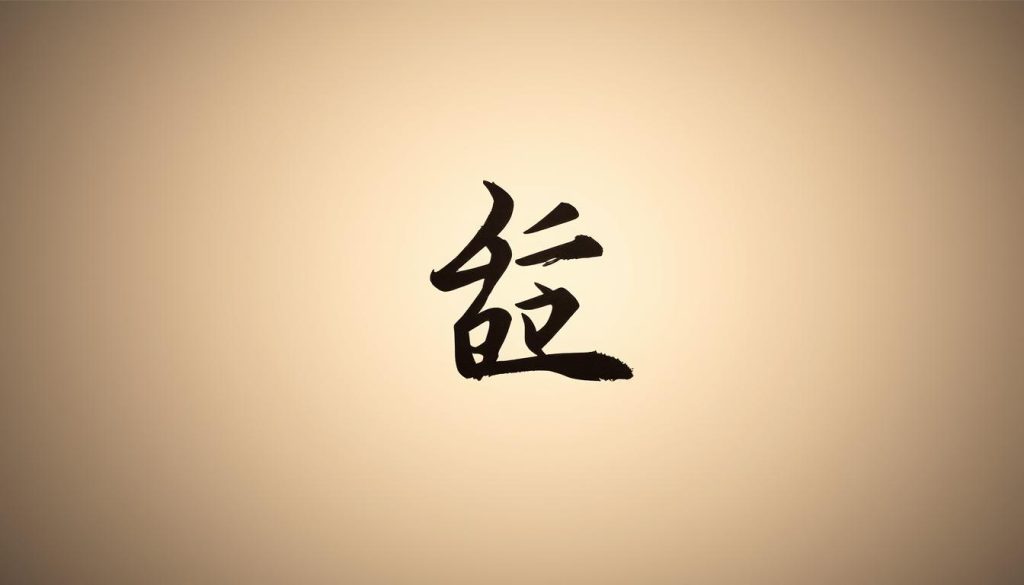
Japanese has fascinating symbols for love. Two main kanji characters stand out: 愛 (ai) and 恋 (koi)1. These symbols go beyond simple translation, showing complex emotions in Japanese culture.
愛 (ai) represents a broad concept of love and affection. 恋 (koi) focuses on romantic passion and longing2. Each symbol carries its own emotional depth3.
These love symbols offer insight into Japan’s rich linguistic traditions. They reflect a sophisticated approach to expressing love in Japanese culture.
Key Takeaways
- Japanese has multiple symbols for love, each with unique meanings
- 愛 (ai) represents general love and affection
- 恋 (koi) specifically represents romantic love
- Kanji love symbols reflect deep cultural understanding of emotions
- Japanese language expresses love through intricate character nuances
Understanding the Japanese Symbol for Love: Ai (愛)
The Japanese language expresses love through intricate kanji symbols. The ai hiragana symbol 愛 represents a deep concept of love. It goes beyond simple romantic affection4.
The heart kanji is key to understanding love in Japanese. The character 愛 (ai) is complex, with multiple radicals. These radicals tell a story of emotional connection4.
The Structural Composition of Ai
The love kanji 愛 has four key radicals:
- 爪 (claw)
- 冖 (cover)
- 心 (heart)
- 夂 (winter)
Exploring Readings of the Love Symbol
Japanese kanji have two primary reading styles:
- On-reading: ai (pronounce as “eye”)
- Kun-reading: itoshii (expressing deep affection)
The Significance of Strokes and Radical
The ai symbol has 13 intricate strokes. The kokoro (heart) radical is at its core. This radical shows emotional depth and connection5.
“Love in Japanese is not just a word, but a carefully crafted expression of human emotion.”
The character 愛 covers many types of love. It includes familial bonds and romantic attachments4. This symbol shows a full understanding of affection6.
Different Types of Love Symbols in Japanese Writing
Japanese love ideograms reveal a fascinating depth of emotional expression through intricate kanji symbols. The language captures nuanced romantic feelings with remarkable precision7. Two main kanji characters dominate the love landscape: 愛 (ai) and 恋 (koi).
These characters carry distinct emotional undertones8. The kanji for affection shows subtle yet profound differences. 愛 represents a broader love, including familial and platonic connections.
In contrast, 恋 specifically describes romantic longing and passionate desire7.
- 愛 (ai): General love, inclusive of multiple relationships
- 恋 (koi): Romantic love, passionate emotional connection
- 恋愛 (renai): Compound symbol representing romantic love
Romantic Japanese symbols go beyond simple representations. The intricate radicals within these characters tell deeper stories. For example, 恋 includes the radical for “heart” and “red”.
This combination symbolizes the passionate nature of romantic love8.
| Kanji | Meaning | Usage Context |
|---|---|---|
| 愛 (ai) | Love | Family, friends, general affection |
| 恋 (koi) | Passionate love | Romantic relationships |
Cultural nuances shape how these romantic Japanese symbols are used. Interestingly, direct verbal expressions of love are less common in Japanese society. Non-verbal communication often takes precedence7.
Common Compounds and Usage of Love Kanji in Japanese Culture
Japanese love expressions go beyond simple words. They create complex meanings through unique kanji compounds. The ai symbol meaning shows deep emotional nuances in Japanese communication. This is especially true in romantic and family contexts9.
Compound words using the love kanji show amazing depth. Words like 愛情 (aijou, affection) and 恋愛 (renai, romantic love) reveal complex emotions. These terms show how Japanese culture expresses deep feelings9.
Romantic expressions range from subtle to passionate. “Suki Da” hints at romantic interest. “Aishiteru” represents deep, passionate love10.
Japanese calligraphy often uses these intricate kanji. This turns written expressions into art. Names like Princess Aiko (愛子) show how love symbols shape personal identities9.
Modern Japanese communication uses various love expressions. These range from playful “Doki Doki” heart-beating references to deep declarations. “Kokoro no soko kara ai shiteru” means love from the bottom of my heart10.
These nuanced expressions reveal the rich emotional landscape in Japanese language. They showcase the depth of Japanese linguistic traditions.
FAQ
What does the Japanese symbol for love look like?
The main Japanese love symbol is 愛 (ai). It’s a complex kanji with 13 strokes. This character includes the kokoro (heart) radical and represents deep, profound love.
Are there different kanji symbols for love in Japanese?
Yes, Japanese has multiple love symbols. 愛 (ai) stands for deep love. 恋 (koi) represents romantic or passionate love. Each symbol has unique meanings and uses.
How do Japanese people typically express love?
Japanese people often express love subtly. They use “好きです” (suki desu), meaning “I like you”. This approach is more reserved than Western expressions of affection.
What are the different readings of the love kanji?
The kanji 愛 has two main readings. The On-reading is “ai”. The Kun-reading is “itoshi” or “aise”. The context determines which reading is used.
Can the love symbol be used in names?
Yes, the 愛 kanji is common in Japanese names. It’s often used for girls’ names. This kanji can be part of a name or stand alone.
It’s also popular in calligraphy and tattoos.
What makes the love kanji unique in its structure?
The 愛 kanji has the kokoro (heart) radical. This represents emotions and inner feelings. Its 13 strokes create a complex character.
The kanji visually shows the depth of love in Japanese culture.
How is love expressed differently in Japanese compared to Western cultures?
Japanese culture expresses love indirectly and subtly. Western cultures often use grand gestures or direct statements. Japanese expressions focus on actions, respect, and implied feelings.
Source Links
- Kanji for Love: How and When to Use 愛 and 恋 – https://hirakan.com/blogs/japanese/kanji-for-love?srsltid=AfmBOorIBVM5ZrIsGDJUn818xeRGVR2F3BD1j10zYe-gMKKXQxk1Nx65
- Why does Japanese have two kanji for “love”? – https://blog.gaijinpot.com/japanese-two-kanji-love/
- How to Say I Love You in Japanese (And Why You Shouldn’t) – Busuu – https://www.busuu.com/en/japanese/love
- Kanji for Love: How and When to Use 愛 and 恋 – https://hirakan.com/blogs/japanese/kanji-for-love?srsltid=AfmBOooCK_ZlyNDALVZhJtEGCIeVB2Cpqc2hTa10jc4lSWsRIzp4eh5J
- Suki, Koi, and Ai Meanings – https://migaku.com/blog/japanese/the-japanese-kanji-for-love
- How Do You Say Love in Japanese? – https://www.thoughtco.com/japanese-words-for-love-2028042
- Kanji for Love – 愛 and 恋 | Kanji Tools – https://kanji.tools/column/kanji-for-love/
- Kanji for Love: How and When to Use 愛 and 恋 – https://hirakan.com/blogs/japanese/kanji-for-love?srsltid=AfmBOorlakTq-H48USJhYKA4dXzPCO6ljZav9mU8TStDYv_oCODSdcC5
- Kanji for Love: How and When to Use 愛 and 恋 – https://hirakan.com/blogs/japanese/kanji-for-love?srsltid=AfmBOor_beIQmNtGdozcxq_2VNn6X3JotHG58k1ezSrzjTxxP3U8zQQT
- 21+ Ways to Say ‘I love you’ in Japanese – https://interacnetwork.com/21-ways-to-say-i-love-you-in-japanese/

