
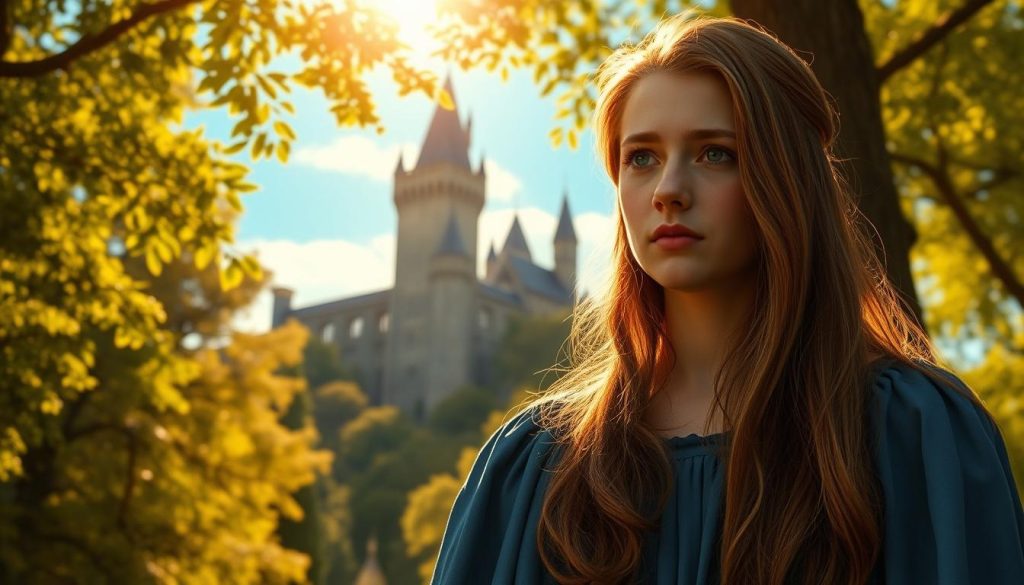
The Chronicles of Narnia fascinated readers with the Pevensie children’s magical adventures. Susan’s story sparked intense debate among literary circles. C.S. Lewis wove a tale that explored the shift from childhood wonder to adult reality1.
Susan Pevensie’s Narnia journey delves into growing up and losing touch with magical realms2. Her path reveals the struggles of keeping magical connections while dealing with real-world experiences1.
Susan’s transformation from Queen Susan the Gentle to a young woman became a hot topic. Neil Gaiman and J.K. Rowling critiqued Lewis’s portrayal of Susan, highlighting its complexity1.
Susan’s story centers on her gradual disconnection from Narnia. Her interest in lipstick and socializing symbolized a broader struggle with identity1. Philip Pullman questioned the gender expectations in Susan’s exclusion from Narnia1.
Key Takeaways
- Susan’s journey represents the challenging transition from childhood to adulthood
- Her character sparked significant literary debate about representation
- The Chronicles of Narnia explored complex themes of memory and belief
- Susan’s story reflects broader societal expectations of femininity
- C.S. Lewis created a nuanced narrative about personal transformation
Growing Up and Leaving Narnia Behind
Growing up often means saying goodbye to childhood imagination. Susan Pevensie’s Narnian adventures faded as she entered her teen years. Her story shows how we can lose our sense of wonder.
Susan’s Transformation
Susan drifted away from her magical Narnian past as she grew older. Her focus shifted to more everyday interests. Many adults find it hard to keep their childhood fantasies alive3.
Susan’s new interests included:
- Social invitations
- Fashion trends
- Teenage social dynamics
The Cost of Forgetting Narnia
To Susan, Aslan’s world became just a childhood game. She chose to follow society’s rules instead of her magical memories4. Many adults who read fantasy as kids say it shaped their outlook3.
Yet, Susan seemed to cut ties with her amazing past completely.
Trading Fantasy for Reality
Susan’s change shows a common part of growing up. She became obsessed with “nylons and lipstick,” symbols of adulthood3. Many young people rush to leave childhood behind.
Susan’s journey reminds us to balance childhood wonder and adult duties. It’s a lesson in keeping magic alive while growing up.
Susan in Narnia and Prince Caspian
Narnia’s magical realms offer complex stories for the Pevensie children. Susan’s journey reveals deep emotional challenges and growth. She became Queen Susan the Gentle, known for her archery skills and diplomacy5.
In “Prince Caspian,” Susan’s actions show her changing views. She rescues Trumpkin and joins shooting contests, but remains cautious. Aslan notes she “listened to fears,” hinting at her teenage struggles6.
Susan’s possible romance with Prince Caspian is left unexplored. This reflects Narnia’s complex magical rules. C.S. Lewis suggested hope for Susan’s future, saying she has time to change7.
Susan’s character offers a deep look at growing up and faith. Her story in Narnia explores personal growth and redemption. Her character development is rich and.
FAQ
Who is Susan Pevensie in the Chronicles of Narnia?
Susan Pevensie is one of four siblings who enter Narnia through a magical wardrobe. She becomes Queen Susan the Gentle, ruling alongside her brothers and sister. C.S. Lewis created this enchanting realm where Susan plays a key role.
Why couldn’t Susan stay in Narnia and marry Prince Caspian?
Susan lost her connection to the magical world as she grew older. She focused more on real-world concerns like makeup and social acceptance. This shift distanced her from Narnian adventures and childhood magical experiences.
How did Susan’s relationship with Narnia change as she grew up?
Susan began to see her Narnian experiences as mere childhood fantasies. She focused on fitting into the real world and growing up. This led her to dismiss Narnia’s importance and exclude herself from future adventures.
What happened to Susan at the end of the Chronicles of Narnia?
In “The Last Battle,” Susan isn’t with her siblings in Aslan’s country. C.S. Lewis suggests she became too focused on worldly things. She chose not to believe in Narnia anymore, prioritizing nylons, lipstick, and parties.
Did Susan ever have a chance to return to Narnia?
The books don’t completely rule out Susan’s return to Narnia. C.S. Lewis hinted that she might find her way back eventually. Her story explores faith, growing up, and the possibility of redemption.
How did Susan’s character differ from her siblings in Narnia?
Susan was known as Queen Susan the Gentle, the most practical Pevensie child. She often provided a measured approach to their Narnian adventures. This contrasted with Peter’s impulsiveness and Lucy’s vivid imagination.
What is the deeper meaning behind Susan’s story in the Chronicles of Narnia?
Susan’s journey explores losing childhood wonder and maintaining faith despite adult expectations. Her story reflects on the transition from childhood to adulthood. It shows the potential loss of magical thinking as we grow up.
Source Links
- The Problem(s) of Susan – Reactor – https://reactormag.com/the-problems-of-susan/
- The Lion, the Witch and the Wardrobe – https://www.goodreads.com/topic/show/1395233-how-can-it-be-that-the-kids-spent-15-or-so-years-in-narnia-grew-up-and-t
- Outgrowing Narnia: part one – https://seasonedwriting.com/outgrowing-narnia/
- Voyage of the Dawn Treader: Why Peter & Susan Don’t Return To Narnia – https://screenrant.com/chronicles-narnia-voyage-dawntreader-peter-susan-no-return-reason/
- Susan Pevensie – https://en.wikipedia.org/wiki/Susan_Pevensie
- Susan Pevensie in Prince Caspian Character Analysis – https://www.shmoop.com/study-guides/prince-caspian/susan-pevensie.html
- Why Didn’t Susan Return to Narnia? – https://www.thephantastic.com/home/why-didnt-susan-return-to-narnia

