
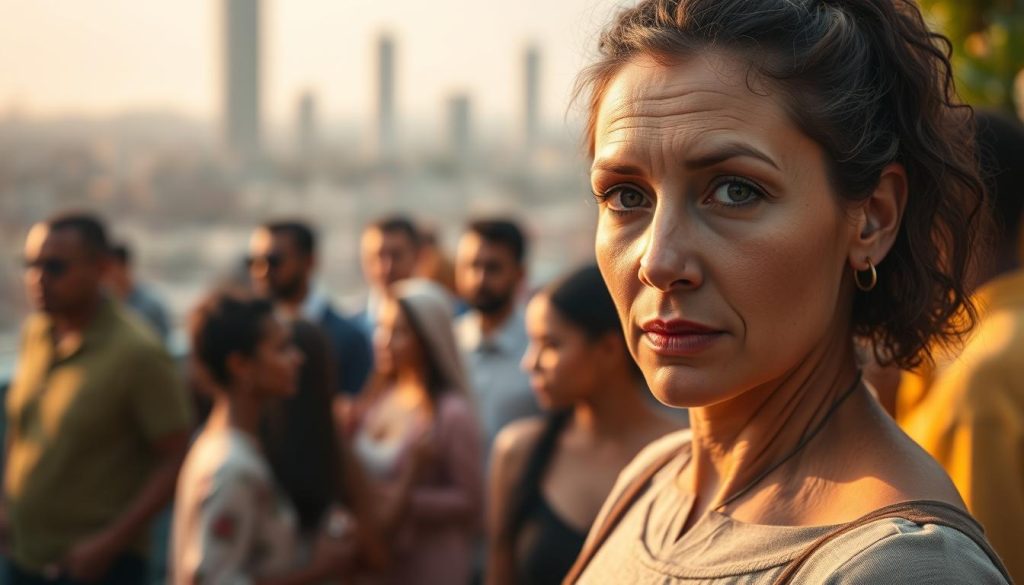
Skin color perception is a complex social phenomenon. It’s deeply rooted in cultural norms and historical influences. The desire for lighter skin crosses geographical boundaries, revealing intricate dynamics of colorism12.
Melanin levels determine skin pigmentation. Genes and environment influence an individual’s unique skin tone. Beauty standards significantly impact how attractive people find different skin colors1.
Lighter skin is often seen as a sign of beauty and status worldwide. In India, about 60% of women want lighter skin tones. This reflects deep-rooted societal beauty standards2.
The skin-lightening market is booming globally. It’s expected to reach $8.9 billion by 2024. This trend shows the strong pressures people face about their skin color2.
Key Takeaways
- Skin color preferences are shaped by complex cultural and social dynamics
- Melanin levels significantly influence skin pigmentation and perceived attractiveness
- Global beauty standards often prioritize lighter skin tones
- Colorism impacts personal and professional opportunities
- Skin-lightening products reflect deep-rooted societal beauty expectations
Historical Evolution of Skin Color Preferences
Human skin color has a complex history of adaptation and survival. Beauty standards have changed dramatically over time. This reflects the relationship between ethnic diversity and environmental challenges.
Human skin pigmentation shows amazing biological adaptation. Dark-skinned ancestors from 200,000 years ago are our common origin3. Skin color variations emerged as people moved to different regions.
These changes were unique adaptations to local environmental conditions. Genetic differences developed to help humans survive in new places.
Ancient Origins of Skin Pigmentation
Natural protection drove the evolution of human skin color. About 1.2 million years ago, genes for protective pigmentation became more common4. Darker skin shielded against harmful UV rays in sunny equatorial regions.
- Skin color variations developed as a survival mechanism
- Genetic mutations occurred in response to environmental challenges
- Protective eumelanin played a crucial role in human adaptation
Cultural Beauty Standards Through Generations
Skin tone biases have deep historical roots. In Asian cultures, lighter skin meant higher social status5. It showed someone didn’t do outdoor work.
Europeans also valued lighter skin. They linked it to “noble” and “untainted” family lines5.
Impact of Social Hierarchies
Colonialism changed self-image and beauty standards worldwide. Skin color became tied to social power dynamics. This affected ethnic diversity and personal identity.
Interestingly, Western culture now sees tan skin differently. It’s become a symbol of leisure and luxury5.
Our skin color tells a story of human resilience, adaptation, and cultural complexity.
Understanding Tan Skin Tone Perception in Modern Society
Beauty standards shape how we view skin tone across different communities. Sun exposure and tanning trends have changed our perception of complexion. Colorism affects education, income, and social opportunities for many racial groups6.
Skin tone perception has deep psychological effects. Studies show darker-skinned people face more challenges in social and work settings7. Darker-skinned African Americans are up to 11 times more likely to face racial discrimination7.
These experiences can greatly impact mental health. Research shows a complex link between skin tone and psychological well-being.
Media and cosmetics shape beauty standards, often sending mixed messages about tan skin. Some celebrate sun-kissed looks, while others promote lighter skin ideals. Tanning trends reflect cultural views, health concerns, and deep social dynamics6.
Skin tone affects more than just looks. It impacts education, jobs, and social interactions6. By challenging these biases, we can build a more inclusive view of beauty.
FAQ
What determines a person’s skin tone?
Melanin levels primarily determine skin tone. This pigment is produced by melanocytes in the skin. Genetic factors, ancestry, and environmental adaptations influence the amount and type of melanin.
What is colorism, and how does it affect perceptions of skin tone?
Colorism is discrimination based on skin color. It favors lighter skin over darker tones. This bias stems from complex historical, social, and cultural influences.
These factors have deeply impacted beauty standards and self-image across different societies. Colorism affects perceptions of attractiveness, success, and value.
How have beauty standards related to skin tone changed over time?
Beauty standards have evolved dramatically throughout history. Ancient preferences were linked to social status and environmental adaptations. Colonial influences and social hierarchies shaped perceptions, often associating lighter skin with privilege.
Why do some people with tan skin want to have lighter skin?
Cultural biases and societal pressures fuel this desire. Media representation and historical beauty standards play a role. Internalized perceptions of attractiveness contribute to the complex dynamics behind skin lightening preferences.
How do current tanning trends relate to skin tone perceptions?
Modern tanning trends reveal an interesting contradiction. Some people seek to darken their skin for a “sun-kissed” look. Others still desire lighter skin tones.
These conflicting trends reflect ongoing complexities in beauty standards. They also highlight cultural attitudes towards skin pigmentation.
Are skin tone preferences universal across different cultures?
Skin tone preferences vary significantly across cultures. What’s attractive in one society might be perceived differently in another. These variations highlight the importance of understanding ethnic diversity.
How does sun exposure impact skin tone and perception?
Sun exposure stimulates melanin production, directly influencing skin pigmentation. However, excessive sun exposure can lead to skin damage. Perceptions of tanned skin have shifted over time.
Once seen as a sign of manual labor, tanned skin is now often viewed as attractive. In many societies, it’s become a symbol of leisure.
What role does the cosmetic industry play in skin tone perceptions?
The cosmetic industry greatly influences skin tone perceptions. This impact comes through marketing, product development, and representation. Skin lightening creams, tanning products, and makeup foundations shape societal beauty standards.
Source Links
- Tan is ‘In’: Study Finds Light Brown More Attractive than Pale or Dark Skin – https://journalism.missouri.edu/2006/10/tan-is-in-study-finds-light-brown-more-attractive-than-pale-or-dark-skin/
- The Skin We Live in: A Commentary On Tanning Versus Being Fair Skinned – https://medium.com/@jsaidullah/the-skin-we-live-in-a-commentary-tanning-versus-being-fair-skinned-496ddf1ac434
- Human skin color – https://en.wikipedia.org/wiki/Human_skin_color
- The evolution of human skin pigmentation involved the interactions of genetic, environmental, and cultural variables – https://pmc.ncbi.nlm.nih.gov/articles/PMC8359960/
- A history of colorism sheds light on discrimination today – https://news.uga.edu/history-of-colorism-sheds-light-on-discrimination/
- The Unceasing Significance of Colorism: Skin Tone Stratification in the United States – https://www.amacad.org/publication/colorism-skin-tone-stratification-united-states
- How Skin Tone Influences Relationships Between Discrimination, Psychological Distress, and Self-Rated Mental Health Among Older African Americans – https://pmc.ncbi.nlm.nih.gov/articles/PMC9683503/

