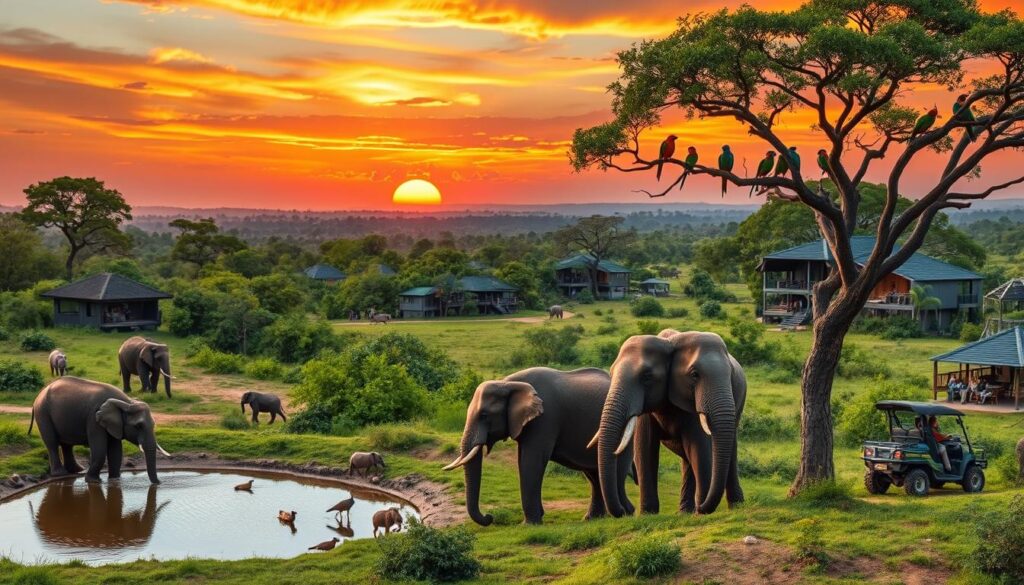
Discover how you can make a real difference in ecosystem preservation through wildlife conservation projects. These unique experiences let you explore stunning natural environments while helping protect them. With most people living in cities, these conservation opportunities are more important than ever1.
Wildlife conservation projects offer a chance to safeguard endangered species and support environmental protection. You can track animals in Africa or monitor marine life in the Pacific1. These programs focus on preserving habitats and supporting local communities1.
By joining these initiatives, you become part of a global movement to protect vulnerable ecosystems. Organizations like IVHQ offer affordable volunteer opportunities that align with UN Sustainable Development Goals1. Your involvement can greatly impact wildlife preservation and environmental sustainability.
Key Takeaways
- Wildlife conservation projects offer hands-on environmental protection experiences
- Volunteer opportunities exist across multiple continents and ecosystems
- Projects support local communities and sustainable development
- No prior experience is typically required to participate
- Conservation efforts contribute to global ecosystem preservation
Why Participate in Wildlife Conservation?
Wildlife conservation protects our planet’s delicate ecological balance. Urban populations have lost touch with nature. This makes individual participation more crucial than ever2.
Protecting biodiversity is a global responsibility affecting all living creatures. Your involvement can help preserve natural habitats. It can also support endangered species.
The Importance of Biodiversity
Biodiversity is the intricate web of life sustaining our planet. Each species plays a unique role in ecological balance. Losing even one can trigger cascading environmental challenges3.
- Protect endangered species from extinction
- Maintain natural resource management
- Support ecosystem stability
How You Can Make a Difference
Conservation efforts offer many ways to get involved. You can support habitat restoration or join research projects. Your contributions can greatly impact wildlife protection2.
| Conservation Activity | Impact |
|---|---|
| Wildlife Research | Gather critical data for species preservation |
| Habitat Restoration | Rebuild ecosystems for endangered species |
| Community Education | Raise awareness about conservation needs |
The Joy of Giving Back
Wildlife conservation creates sustainable environments for future generations. Your involvement can bring economic and ecological benefits2.
“Conservation is a state of harmony between men and land.” – Aldo Leopold
By joining conservation projects, you become part of a global community. Together, we can preserve our planet’s incredible biodiversity4.
Top Wildlife Conservation Projects to Consider
Wildlife conservation offers incredible chances to impact our planet’s precious ecosystems. These projects transform vacations into life-changing experiences. You can protect endangered species and support Green Initiatives while traveling.
The Galápagos Islands Conservation Project
The Galápagos Islands are a unique conservation destination. Here, you can help protect endemic species found nowhere else on Earth. Volunteers assist in research, habitat monitoring, and species preservation efforts5.
These activities are crucial for maintaining the islands’ delicate biological balance. Your work directly contributes to preserving this extraordinary ecosystem.
- Participate in scientific research
- Protect unique wildlife species
- Support sustainable tourism practices
The African Elephant Initiative
This initiative tackles critical challenges in protecting African elephants. The Room to Roam project spans East and Southern Africa. It engages landowners to lease their territories for elephant protection5.
Volunteers learn about preventing human-elephant conflicts. They also support crucial preservation efforts that make a real difference5.
| Project Focus | Key Activities |
|---|---|
| Elephant Conservation | Land leasing, conflict prevention training |
| Community Engagement | Training local officials and citizens |
Rainforest Restoration in Costa Rica
Costa Rica offers exceptional Renewable Energy and wildlife restoration opportunities. Volunteers can join reforestation projects to rebuild critical habitats. Your work helps protect endangered species and maintain rich tropical rainforest ecosystems.
“Every small action contributes to global conservation efforts”
These projects show how individuals can make big impacts on global Wildlife Conservation. Your involvement supports critical environmental work. It also provides an unforgettable, transformative travel experience you’ll always cherish.
What to Expect When Volunteering
Wildlife conservation volunteering blends environmental protection with personal growth. Your adventure will challenge and inspire you in unexpected ways. You’ll gain unique experiences that can shape your future.
This opportunity lets you directly contribute to ecosystem preservation. You’ll develop valuable skills through diverse activities. Your efforts will make a real difference in protecting wildlife6.
Typical Activities You’ll Encounter
- Data collection and species identification6
- Coral reef monitoring and biodiversity studies6
- Wildlife tracking and population surveys
- Habitat maintenance and restoration
Accommodations and Living Conditions
Your living situation depends on the project you choose. Accommodations range from basic camps to more comfortable facilities in remote areas7.
Most programs ask volunteers to stay for at least one week. Some accept stays up to three months7.
| Accommodation Type | Estimated Daily Cost |
|---|---|
| Basic Tented Camps | $25-$50 |
| Research Facilities | $50-$100 |
Potential Challenges and Rewards
Green initiatives through volunteering offer unique challenges and incredible rewards. You might face physical demands and adapt to rustic living conditions. The experience promises profound personal growth6.
“By volunteering, you’re not just observing nature—you’re actively protecting it.”
Your participation can lead to valuable connections in the conservation sector. It may open future career opportunities in environmental fields6. The skills you gain will boost your confidence and competitiveness.
Pro Tip: Some projects offer research assistant positions for committed volunteers. This is especially true for those with relevant educational backgrounds7.
Tips for Choosing the Right Project for You
Your personal goals drive wildlife conservation project selection. Assess various volunteering opportunities, from direct participation to agency work. Remember, agencies may increase costs significantly compared to booking directly.
Research is vital for finding reputable conservation organizations. Seek projects with diverse volunteer positions and proven effectiveness. Look for data collection, habitat restoration, and community engagement initiatives.
When evaluating programs, consider sustainable conservation strategies that involve local communities. Your experience should align with personal and professional growth goals.
Many projects offer skill-building, wildlife work, and cultural exploration. Aim for groups of about 8 volunteers for effective study. Consider the environmental impact of travel and explore carbon offset options.
Evaluate staff qualifications, safety protocols, and long-term conservation goals. Choose a project matching your skills and availability. This ensures meaningful contributions and an unforgettable personal journey89.
FAQ
What types of wildlife conservation projects can I participate in as a tourist?
Wildlife conservation projects offer diverse opportunities worldwide. You can monitor turtle nests in Costa Rica or protect endangered species in South Africa. Borneo has orangutan conservation, while the Galápagos Islands focus on habitat restoration.
Activities include data collection, animal tracking, and community education. You can also help with habitat maintenance in these exciting locations.
How do wildlife conservation projects benefit local ecosystems?
These projects play a crucial role in preserving biodiversity and protecting endangered species. They also restore habitats and reduce conflicts between humans and wildlife.
Your participation supports long-term conservation efforts and ecological balance. It also promotes sustainable community development, aligning with UN Sustainable Development Goals.
What skills do I need to join a wildlife conservation project?
Most projects welcome volunteers with various skill levels. Basic physical fitness and enthusiasm for conservation are often more important than specialized expertise.
Many organizations provide training to help you contribute effectively. Your willingness to learn is key to making a difference in these projects.
How long do wildlife conservation volunteer programs typically last?
Program durations range from one week to several months. Some projects offer short-term experiences lasting 1-2 weeks for those with limited time.
Others provide more immersive opportunities that can span several months. Choose a program that fits your availability and commitment level.
What are the accommodation conditions during conservation projects?
Accommodations vary widely, from basic camping to more comfortable facilities. In remote locations, expect rustic living conditions close to conservation sites.
Some projects offer shared dormitories or eco-lodges. Research stations with basic amenities are also common in these programs.
What are the potential challenges of wildlife conservation volunteering?
Challenges include physical demands and adapting to new environments. You might face tough weather conditions and remote living situations.
Language barriers and intense fieldwork can also be challenging. However, the rewarding experience often outweighs these difficulties.
How do I choose a reputable wildlife conservation project?
Look for organizations with proven track records in ethical and sustainable practices. Check their transparency regarding conservation goals and community involvement.
Read reviews and verify their credentials before committing. Understanding their specific conservation objectives is crucial in making your choice.
What are the costs associated with wildlife conservation volunteering?
Costs vary based on the project, location, and duration. Most programs charge a fee covering accommodation, training, and project support.
Additional expenses may include travel, insurance, vaccinations, and personal equipment. Compare different programs to find one that suits your budget.
Source Links
- Wildlife Volunteering Abroad: Best Wildlife Conservation Programs – https://www.volunteerhq.org/blog/best-wildlife-conservation-volunteer-programs/
- What is the goal of wildlife conservation? | IFAW – https://www.ifaw.org/journal/goal-widlife-conservation
- Why Conservation of Wildlife Is Essential | GVI – https://www.gviusa.com/blog/smb-why-conservation-of-wildlife-is-essential/
- Celebrating 50 Years of Success in Wildlife Conservation | U.S. Department of the Interior – https://www.doi.gov/blog/endangered-species-act-celebrating-50-years-success-wildlife-conservation
- 10 conservation projects saving endangered wildlife – https://www.ifaw.org/international/journal/conservation-projects-saving-endangered-wildlife
- How a Conservation Volunteer Experience Can Advance Your Career – http://www.jamesborrell.com/how-a-conservation-volunteer-experience-can-advance-your-career/
- What’s It Like to be a Sea Turtle Conservation Volunteer? – https://www.worldnomads.com/responsible-travel/make-a-difference/planet/confessions-of-a-sea-turtle-volunteer
- Things to consider | Conservation Network – https://www.theconservationnetwork.org/things-to-consider
- Choosing a worthwhile conservation project – https://www.conservationafrica.net/blog/choosing-worthwhile-conservation-project