
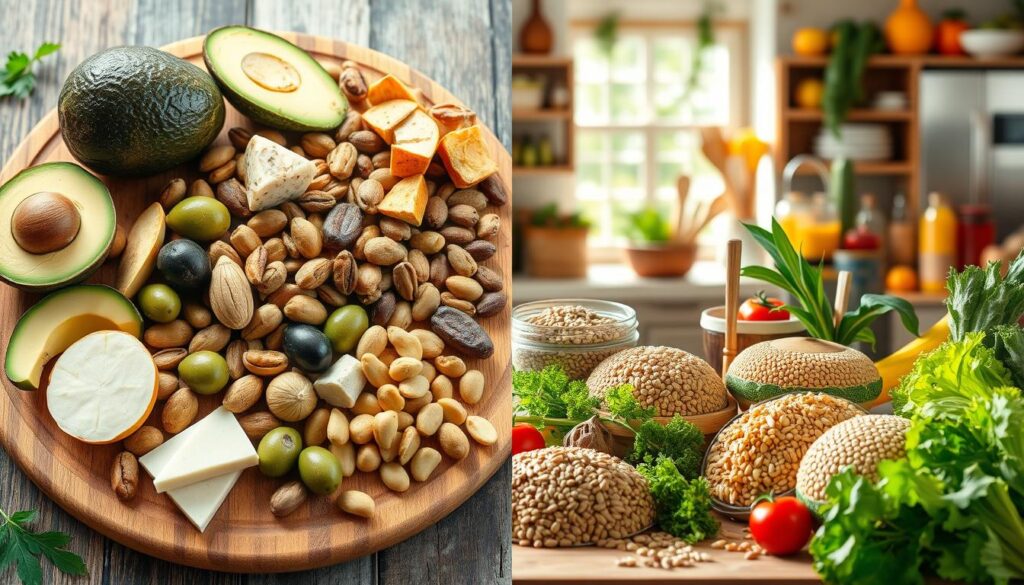
The link between dietary fat and carbs can reshape your weight loss approach. Your metabolism affects how these nutrients impact your health1. The fat-carb balance influences calorie intake and feeling full1.
Nutrition experts say don’t cut out one nutrient entirely. Instead, find the right balance for your body. A study of 138,092 days of food data revealed interesting results1.
Diets with 45% non-fiber carbs and the rest from fat worked best. This mix produced the most consistent outcomes for participants1.
Cutting carbs too much can lower energy intake. When non-fiber carbs dropped from 45% to 10-20%, people ate 23% fewer calories1. This shows how diet makeup affects your body’s response.
Key Takeaways
- Balanced macronutrient intake is crucial for effective weight loss
- Extreme dietary restrictions may not always yield optimal results
- Your individual metabolism plays a significant role in diet effectiveness
- Carbohydrates and fats both serve important nutritional purposes
- Personalized nutrition strategies work best for body composition goals
Understanding Dietary Fat and Carbohydrates
Nutrition fuels your body’s daily functions. Your diet has essential parts that keep you healthy and energetic. Let’s explore dietary fats and carbohydrates.
What Are Dietary Fats?
Dietary fats do more than store energy. They help make hormones and protect organs. Fats also help your body absorb important vitamins.
Not all fats are the same. Knowing the differences can improve your nutrition choices2.
Types of Dietary Fats
Different fats affect your health in various ways. Here are the main types:
- Saturated fats: Found in animal products like meat and dairy
- Unsaturated fats: Typically from plant-based sources like olive oil and nuts
- Trans fats: Artificially created fats to be avoided
“Not all calories are equal – the source matters significantly for metabolic health.”
What Are Carbohydrates?
Carbohydrates are your body’s main energy source. They come in two main types:
- Simple carbohydrates: Quick-digesting sugars
- Complex carbohydrates: Slower-digesting starches and fibers
Different calories affect metabolism in unique ways. Many American adults struggle with weight management. This shows why understanding nutrition is crucial3.
The Role of Dietary Fat in the Body
Dietary fats are vital for a healthy diet. They play crucial roles in your body’s overall functioning. Understanding fat metabolism can help you make better nutritional choices.
Fats serve multiple critical functions in your body. An average gram of fat provides 9 kcal of energy. This makes it a dense energy storage source4.
Functions of Dietary Fat
- Energy storage for long-term fuel reserves
- Absorption of fat-soluble vitamins (A, D, E, K)
- Protection of vital organs
- Insulation and temperature regulation
Your body contains four major types of dietary fats. These are saturated, trans, monounsaturated, and polyunsaturated fats5. Each type impacts your health differently.
Health professionals recommend monounsaturated and polyunsaturated fats5. These fats can help improve your overall health.
Impact on Hormonal Balance
Dietary fat plays a big role in hormone production. Your body uses fat to make important hormones. These hormones control metabolism, reproductive functions, and overall cell health.
“Healthy fats are not just calories, but critical messengers in your body’s complex communication system.”
| Fat Type | Health Impact | Recommended Intake |
|---|---|---|
| Monounsaturated | Lowers Bad Cholesterol | Recommended Daily |
| Polyunsaturated | Supports Heart Health | At Least 2 Portions Weekly |
| Saturated | Limit Intake | Men: 30g/day, Women: 20g/day4 |
Understanding dietary fat’s role is key to better health. It affects energy storage, hormone production, and overall metabolism. This knowledge can help you make smarter food choices.
The Role of Carbohydrates in the Body
Carbohydrates are your body’s main fuel source. They keep your energy levels up and help you perform better. Learning about carbs can improve your diet and workouts.
Energy Source for Active Lifestyles
Your muscles need carbs to work well during exercise. They provide about half the energy used by muscles and other tissues6. Each gram of carbs gives four calories of energy6.
Glycogen Storage and Utilization
Glucose metabolism is key to how your body uses carbs. When you eat carbs, they break down into glucose. This triggers insulin, helping cells absorb energy7.
- Carbohydrates should make up 45% to 65% of your total daily calories7
- For a 2,000 calorie diet, aim for 225-325 grams of carbohydrates daily7
- Choose complex carbohydrates for sustained energy for exercise
“Carbohydrates are not the enemy – they’re your body’s preferred energy source.” – Nutrition Experts
Glycogen storage in muscles and liver provides ready energy for physical activities. The type of carbs you eat can greatly affect your energy and performance6.
| Carbohydrate Type | Energy Impact | Recommended Intake |
|---|---|---|
| Complex Carbohydrates | Sustained Energy | 45-65% of daily calories6 |
| Simple Sugars | Quick Energy Spike | Less than 10% of daily calories7 |
Smart carb choices can boost your glucose metabolism and insulin response. This ensures your body has the energy it needs to perform at its best.
How Dietary Fat and Carbs Affect Body Fat
Your body’s fat storage mechanisms are complex. Many factors influence calorie balance and energy density. Understanding this relationship can help you make better food choices.
Not all calories are equal when it comes to fat storage. Carbohydrate metabolism affects how your body processes energy8. Carbs have 4 calories per gram, while fats have 9.
This makes fat easier to overconsume8. Being aware of this difference can help you manage your calorie intake more effectively.
Metabolic Pathways of Fats and Carbohydrates
Your body responds differently to various nutrients. Here’s how fats and carbs impact your body:
- Carbohydrates are the body’s primary energy source
- Fats provide a more concentrated energy reservoir
- Excess calories from both can contribute to fat storage
Understanding Caloric Density
Calorie balance is key to managing body fat. The Dietary Guidelines suggest carbs should make up 45% to 65% of daily calories9.
To lose weight, aim for a 500 to 750 calorie deficit daily9. This approach can help you achieve sustainable weight loss over time.
| Nutrient | Calories per Gram | Energy Density |
|---|---|---|
| Carbohydrates | 4 | Low |
| Dietary Fats | 9 | High |
Your metabolic pathway is unique, and understanding how your body processes different nutrients can help you make informed dietary choices.
Studies show low-carb diets may lead to faster short-term weight loss than low-fat diets9. However, long-term success depends on a balanced approach to nutrition9.
Source: Dietary Guidelines and Weight Loss Studies8Source: Nutritional Metabolism Research
Dietary Fat: Benefits and Considerations
Dietary fats play a crucial role in our health. Experts have made great progress in understanding how fats affect our well-being. Nutrition research has shed light on the importance of fats in our diet.
Healthy Fats to Include in Your Diet
Not all fats are the same. Some fats, like monounsaturated and omega-3 fatty acids, offer amazing health benefits. These good fats can improve your nutrition in many ways.
Here are some healthy fats to add to your meals:
- Fatty fish rich in omega-3 fatty acids
- Avocados and olive oil
- Nuts and seeds
- Plant-based cooking oils
Omega-3 fatty acids can help your heart in many ways. They may lower the risk of heart disease and reduce blood pressure. These fats can also prevent irregular heartbeats10.
Foods with monounsaturated fats have their own benefits. They can improve your blood cholesterol levels. These fats may also lower your risk of heart disease10.
Risks of Excessive Fat Intake
Healthy fats are important, but we need to watch our saturated fat intake. Too much saturated fat can be bad for your heart. The American Heart Association suggests limiting saturated fat to 10-15 grams per day11.
“Quality matters more than quantity when it comes to dietary fats.” – Nutrition Experts
Focus on the quality of fats you eat, not just the amount. A 2015 study found some interesting results. Replacing saturated fats with polyunsaturated fats can lower heart disease risk101112.
Carbohydrates: Benefits and Considerations
Carbohydrates are vital for a healthy diet. Smart carb choices can greatly impact your health and weight. Not all carbs are the same, so it’s important to choose wisely.
Choosing Complex Carbs for Better Health
Complex carbs, especially fiber-rich ones, offer many health benefits. Whole grains provide key nutrients that support digestion and steady blood sugar. Your body processes these nutrients slowly, giving you stable energy.
- Choose whole grains like quinoa and brown rice
- Incorporate legumes for additional fiber
- Select vegetables as nutrient-dense carbohydrate sources
The Impact of Sugars on Body Fat
Simple sugars can harm your metabolic health. Eating too much can cause blood sugar spikes and increase fat storage13. The glycemic index helps understand how carbs affect your body14.
“The type of carbohydrate matters more than the quantity consumed.”
Your body uses glucose for energy first. It stores dietary fats when carb intake is high13. Balancing carbs with proteins and healthy fats can boost your metabolism14.
- Monitor your carbohydrate quality
- Focus on low glycemic index foods
- Practice portion control
Pro tip: Choose whole grains and complex carbs. They help manage blood sugar and improve overall nutrition.
Balancing Fats and Carbs in Your Diet
Creating a personalized nutrition strategy is crucial for your health and fitness goals. The right mix of fats and carbs can boost your wellness and energy levels. Balancing macronutrients is key to achieving optimal results15.
Finding Your Ideal Macronutrient Ratio
Your perfect meal mix depends on your activity level, metabolic health, and personal goals. Standard dietary guidelines suggest a balanced approach15:
- 45-65% of calories from carbohydrates
- 10-35% of calories from protein
- 20-35% of calories from fat
Strategic Meal Planning Tips
Consider these strategies for effective macronutrient balance in your nutrition plan:
- Focus on complex carbohydrates from whole grains and vegetables
- Incorporate lean protein sources
- Choose beneficial fats like olive oil and nuts
Your diet should be as unique as you are – there’s no one-size-fits-all approach to nutrition.
| Macronutrient | Calories per Gram | Key Sources |
|---|---|---|
| Carbohydrates | 4 | Whole grains, fruits, vegetables |
| Protein | 4 | Lean meats, legumes, dairy |
| Fat | 9 | Nuts, olive oil, avocados |
Pro athletes often tweak their macronutrient ratios based on training intensity. Endurance athletes might follow a 60/20/20 diet plan. This means 60% carbs and 20% each of protein and fat16.
Explore different approaches to find what suits your body best. Check out this comprehensive nutrition guide for more insights.
Popular Diets: Low-Carb vs. Low-Fat
Weight loss strategies can be tricky to navigate. The ketogenic diet and low-fat diets are two leading approaches. Each offers unique benefits for weight management and metabolism.
Examining the Ketogenic Diet
The ketogenic diet is a bold nutrition plan. It focuses on cutting carbs to less than 50 grams daily. This puts your body in ketosis, a fat-burning state.
Your body adapts to use fat as its main fuel source. This change can lead to significant weight loss.
- Typically involves less than 10% of calories from carbohydrates
- High fat consumption (60-75% of daily calories)
- Moderate protein intake
Studies show impressive results from ketogenic diets. Participants often lose more weight compared to other diets17.
| Study Duration | Weight Loss Results |
|---|---|
| 6 months | 3x more weight loss compared to low-fat diets |
| 12 weeks (adolescents) | Average 21.8 pounds lost |
| 2 years | 10.4 pounds lost |
Understanding the Low-Fat Diet
Low-fat diets take a different approach. They focus on reducing fat intake and eating more carbs. These diets typically include 75% carbohydrates and only 10% fat18.
While effective for some, low-fat diets may not offer the same metabolic benefits as low-carb options. The choice depends on your personal health goals and body’s response.
“The key to successful weight loss is finding a sustainable diet that works for your body and lifestyle.”
Consider your long-term commitment when choosing a diet. A nutritionist can help you pick the best weight loss strategy for your needs.
Tips for Optimizing Your Own Diet
Mindful eating and understanding your body’s needs are key to a personalized nutrition strategy. Focus on nutrient-dense foods to support your health goals1920. Use food scales and nutrition apps to track your macronutrient intake20.
Try different macronutrient ratios to find what works best for you. Aim for 40-50% carbohydrates, 25-35% protein, and 20-30% healthy fats in your daily calories20. Notice how your body responds to these changes.
The Physical Activity Guidelines suggest 150 to 300 minutes of moderate-intensity exercise weekly19. This can help support your nutritional goals and overall health.
Choose whole foods over processed items for your nutrition plan. Consider intermittent fasting or adding probiotics to improve health and reduce body fat19. Remember, optimal nutrition is unique to each person.
Making Informed Food Choices
Choose nutrient-dense foods for maximum nutritional value. Opt for whole grains, lean proteins, and healthy fats like avocados and nuts1920. Create a sustainable eating pattern that supports your long-term health and fitness goals.
Listening to Your Body’s Needs
Pay attention to your hunger and fullness cues while eating. Notice how different foods affect your energy, mood, and performance. A 500-calorie daily deficit can lead to gradual, sustainable weight loss20.
Stay flexible and willing to adjust your approach as your body changes. Your nutrition plan should evolve with your goals and needs.
FAQ
What’s the difference between dietary fat and carbohydrates for body fat management?
Dietary fat and carbohydrates both play vital roles in your body’s metabolism. Balance is key. The type and quality of fats and carbs matter most. Healthy fats and complex carbs support metabolism and overall health.
Processed foods with unhealthy fats and simple carbs often lead to weight gain. Focus on wholesome options to maintain a healthy body composition.
How do dietary fats impact my body composition?
Dietary fats are crucial for hormone production, energy storage, and vitamin absorption. Different fats affect your body in various ways. Omega-3s and monounsaturated fats support heart health and reduce inflammation.
Trans fats and excess saturated fats may increase health risks. Aim for balanced fat intake from quality sources like nuts, avocados, and fatty fish.
Are carbohydrates bad for weight loss?
Not all carbs are equal. Complex carbs provide essential nutrients, fiber, and sustained energy. Simple sugars can cause blood sugar spikes and fat storage.
Choose high-fiber, nutrient-dense carbs. Balance them with protein and healthy fats for optimal weight management.
What’s the difference between low-carb and low-fat diets?
Low-carb diets, like keto, reduce carb intake to boost fat burning. Low-fat diets focus on cutting fat consumption. Both can aid weight loss, but long-term sustainability varies.
The best approach depends on your metabolism, activity level, and health goals. Consider your individual needs when choosing a diet plan.
How many fats and carbs should I consume daily?
Standard guidelines suggest 45-65% of calories from carbs and 25-35% from fat. Individual needs vary based on factors like activity, age, and metabolism.
Consult a nutritionist to determine your optimal macronutrient ratio. They can help tailor a plan to your body composition and health objectives.
Can I lose weight by cutting out either fats or carbs completely?
Extreme restrictions are not advised. Fats and carbs are essential macronutrients supporting critical bodily functions. Sustainable weight loss comes from creating a moderate calorie deficit.
Choose high-quality food sources and maintain a balanced diet. Include both macronutrients in appropriate portions for optimal health and weight management.
What are the healthiest sources of dietary fat?
The best fat sources are omega-3 rich foods like salmon, mackerel, and sardines. Nuts, seeds, avocados, olive oil, and coconut oil are also excellent choices.
These foods provide heart-healthy monounsaturated and polyunsaturated fats. They support overall health and can help manage body composition effectively.
Source Links
- Carbs vs Fat: Which is Better for Weight Loss? – https://optimisingnutrition.com/fats-vs-carbs/
- Dietary Fat vs. Carbohydrate for Reducing Body Fat – https://www.nih.gov/news-events/nih-research-matters/dietary-fat-vs-carbohydrate-reducing-body-fat
- NIH study finds cutting dietary fat reduces body fat more than cutting carbs – https://www.nih.gov/news-events/news-releases/nih-study-finds-cutting-dietary-fat-reduces-body-fat-more-cutting-carbs
- Facts about fat – https://www.nhs.uk/live-well/eat-well/food-types/different-fats-nutrition/
- Dietary Fats – https://www.heart.org/en/healthy-living/healthy-eating/eat-smart/fats/dietary-fats
- Carbohydrates in the Diet – Oklahoma State University – https://extension.okstate.edu/fact-sheets/carbohydrates-in-the-diet.html
- Choose your carbs wisely – https://www.mayoclinic.org/healthy-lifestyle/nutrition-and-healthy-eating/in-depth/carbohydrates/art-20045705
- Carbs or Fat: What Really Makes Us Gain Weight? – https://www.healthline.com/diabetesmine/carbs-or-fat-what-really-makes-us-gain-weight
- Can a low-carb diet help you lose weight? – https://www.mayoclinic.org/healthy-lifestyle/weight-loss/in-depth/low-carb-diet/art-20045831
- Good Fats vs. Bad Fats – https://www.healthline.com/health/heart-disease/good-fats-vs-bad-fats
- Choosing Healthy Fats – HelpGuide.org – https://www.helpguide.org/wellness/nutrition/choosing-healthy-fats
- Dietary fat is good? Dietary fat is bad? Coming to consensus – https://news.harvard.edu/gazette/story/2018/11/dietary-fat-is-good-dietary-fat-is-bad-coming-to-consensus/
- Carbohydrates or Fats – Which do I Choose?! – https://grownstrong.com/blogs/community-lifestyle-nutrition/carbohydrates-or-fats
- Dietary fat is good? Dietary fat is bad? Coming to consensus | Harvard T.H. Chan School of Public Health – https://hsph.harvard.edu/news/coming-to-consensus-on-dietary-fat/
- Fats, Carbs, and Protein: The Balancing Act – https://www.downtoearth.org/health/nutrition/fats-carbs-and-protein-balancing-act
- What Is The Right Balance Of Carbs, Fat, And Protein? – https://www.triathlete.com/nutrition/race-fueling/racing-weight-balancing-your-diet/
- Low Carb vs. Low Fat Diets — Which Is Best for Weight Loss? – https://www.healthline.com/nutrition/low-carb-low-fat-diet
- Low-fat diet compared to low-carb diet – https://www.nih.gov/news-events/nih-research-matters/low-fat-diet-compared-low-carb-diet
- 12 Sustainable Ways to Burn Body Fat – https://www.healthline.com/nutrition/best-ways-to-burn-fat
- Mastering Your Macros: A Comprehensive Guide to Weight Loss – https://myhummusfit.com/blogs/news/calculating-weight-loss-macros?srsltid=AfmBOoqiumfZ0cVMreTPLhFX0mp3to01Icu1lz61ncjsSaGKK1EYNu-X

