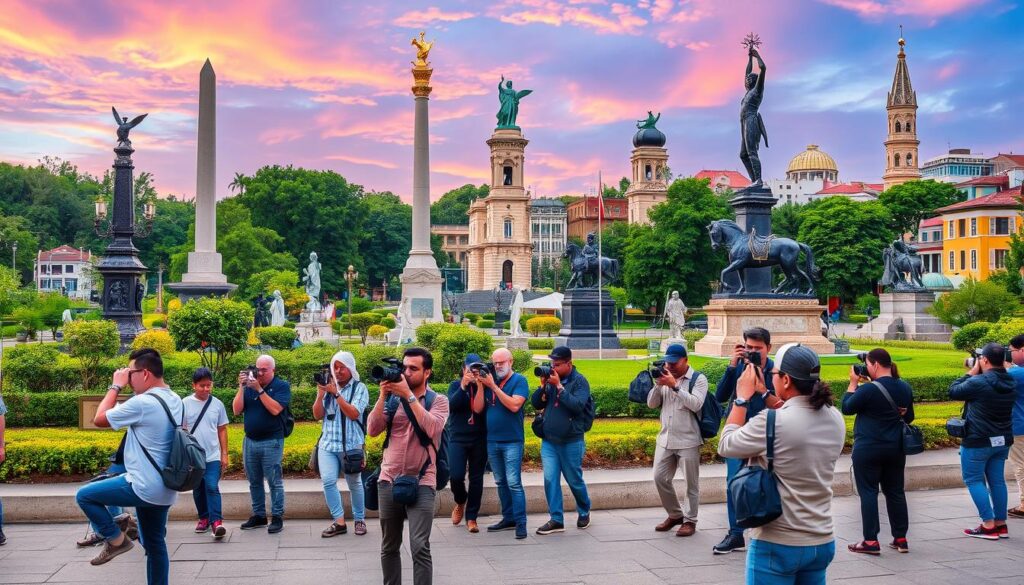
Capturing stunning images of monuments requires more than basic camera skills. Public art and memorials offer great chances to tell visual stories. Understanding how to photograph landmarks can turn a simple snapshot into a powerful image1.
Start by learning the history behind each sculpture you photograph. In the U.S., only 6% of statues represent women. Your photos can highlight diverse stories and viewpoints1.
Approach each subject with respect and creativity. Every statue has a unique tale waiting for your artistic eye to capture.
Key Takeaways
- Research the historical context of monuments before photographing
- Understand local photography regulations and permissions
- Explore unique angles and perspectives
- Consider lighting and time of day for optimal shots
- Respect the cultural significance of public art and memorials
Choosing the Right Time to Photograph
Timing is crucial for photographing sculptural installations. Understanding light, weather, and seasons enhances your shots of architectural icons2. Perfect timing can turn a simple monument into a captivating visual story.
Early Morning vs. Late Afternoon Photography
Golden hours offer magical lighting for cultural heritage photography2. Early mornings provide soft light, revealing intricate details and reducing harsh shadows.
Late afternoons bathe monuments in warm, golden tones. This light dramatically enhances architectural textures. Both times typically have fewer tourists around.
- Early morning: Soft, gentle illumination
- Late afternoon: Warm, dramatic lighting
- Fewer tourists during these times
The Impact of Weather Conditions
Weather significantly influences monument photography. Overcast skies soften harsh lighting, creating even illumination for sculptural installations2. Cloudy days reduce stark contrasts, allowing photographers to capture subtle details without extreme shadows.
Seasonal Changes and Their Effects
Each season offers unique opportunities for photographing architectural icons. Spring brings blooming vegetation and soft colors. Summer provides long daylight hours and vibrant scenes.
Autumn offers rich color palettes and dramatic lighting. Winter creates stark, minimalist landscapes with crisp details2.
| Season | Photographic Characteristics |
|---|---|
| Spring | Soft colors, emerging greenery |
| Summer | Long daylight, vibrant scenes |
| Autumn | Rich colors, dramatic lighting |
| Winter | Stark landscapes, minimal details |
Remember, the right timing can transform an ordinary monument into a breathtaking piece of visual art.
Composition Tips for Monument Photography
Mastering composition techniques can transform ordinary shots into extraordinary memories. These skills bring Historic Landmarks to life, creating stunning images of Tourist Attractions.
Using Leading Lines for Visual Impact
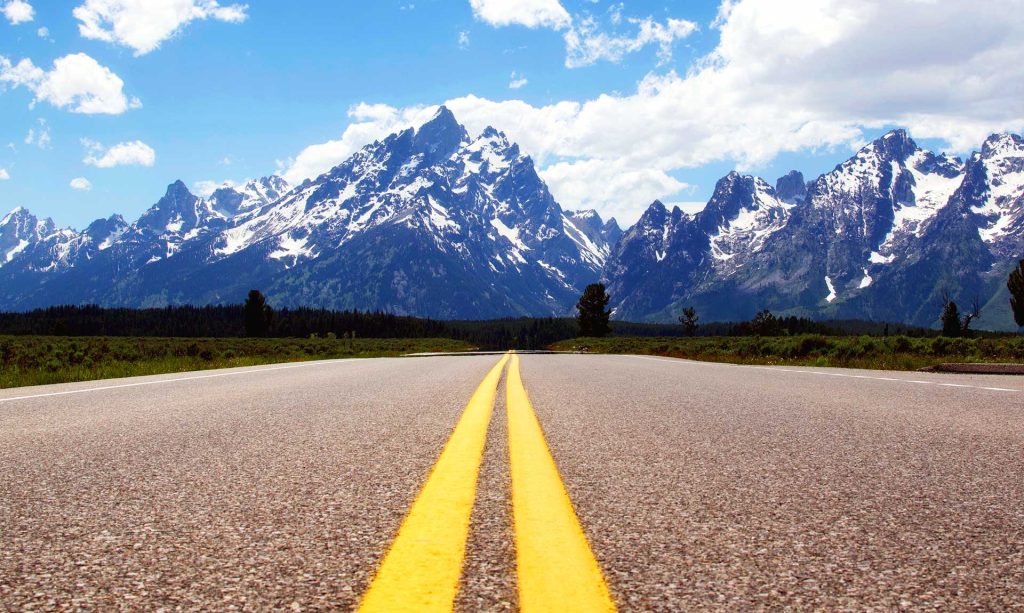
Leading lines guide viewers through the image, highlighting a monument’s most interesting features. They create a natural pathway in Public Art photos.
Look for architectural elements like:
- Pathways surrounding the landmark
- Architectural edges and boundaries
- Natural landscape contours
Discovering Unique Perspectives
Shift your perspective to create original and captivating images. This approach helps avoid repetitive landmark shots3.
Experiment with:
- Low-angle shots to make monuments appear more imposing
- Shooting through archways or reflective surfaces
- Capturing details instead of entire structures3
Incorporating Surrounding Elements
Great photographs tell stories. Professional photographers recommend including contextual elements in Tourist Attractions images. These add depth and narrative to your shots3.
Consider adding:
- People for scale and human connection
- Natural elements like trees or water
- Architectural details that complement the main subject
“The magic of photography is discovering the extraordinary within the ordinary.”
| Technique | Impact on Image |
|---|---|
| Leading Lines | Guides viewer’s eye |
| Unique Angles | Creates visual interest |
| Contextual Elements | Adds storytelling depth |
Editing Your Photos for Maximum Appeal
Post-processing is key to turning good photos into stunning visual stories. Digital editing enhances the rich details of Cultural Heritage sites. Modern tools let you shoot in RAW format, preserving quality and offering editing flexibility4.
Start by tweaking exposure, contrast, and color balance. Try black and white conversions to highlight architectural textures. Keep monument images authentic. Use grid lines to balance your shots4.
The right editing techniques can boost your photographic storytelling. Subtle adjustments make Cultural Heritage photographs more impactful. They draw viewers into the stories behind these remarkable landmarks.
Follow local photography rules when sharing online. Social media is great for showcasing Architectural Icons. Connect with other photo enthusiasts there. Use captions that highlight the monuments’ historical significance.
FAQ
What legal considerations should I be aware of when photographing monuments?
Copyright laws and freedom of panorama rules are crucial for monument photography. Some public structures limit commercial photography. Check local guidelines for national memorials and landmarks. Respect intellectual property rights when sharing images online.
Always obtain necessary permissions for commercial use. This ensures you stay within legal boundaries while capturing these iconic structures.
What are the best times of day for monument photography?
The golden hour during sunrise and sunset offers warm, flattering light. It enhances architectural details beautifully. Late afternoon provides softer lighting and fewer tourists.
Overcast skies can soften harsh shadows. This creates more even lighting for your monument photos.
How can I make my monument photographs more interesting?
Try unique perspectives like low angles to make structures appear imposing. Use leading lines to guide the viewer’s eye. Incorporate surrounding elements for scale and context.
Shoot through archways or capture reflections to add depth. These techniques can transform ordinary shots into captivating images.
What equipment do I need for monument photography?
Bring various lenses: wide-angle for expansive views, telephoto for intricate details. A tripod helps with stability, especially in low light.
Pack extra batteries and memory cards. This ensures you can capture multiple shots and perspectives without interruption.
How should I edit my monument photographs?
Use editing software to adjust exposure, contrast, and color balance. Enhance architectural details carefully without over-processing. Consider black and white conversions for a timeless look.
Keep edits subtle to maintain the monument’s authentic appearance. This preserves the integrity of the original structure.
Are there any seasonal considerations for monument photography?
Seasonal changes dramatically affect photos. Spring and fall offer beautiful vegetation and soft lighting. Winter provides unique snow-covered landscapes, while summer offers longer daylight hours.
Different seasons create varied moods around monuments. Plan your shoots to capture these diverse atmospheres.
What are some tips for capturing monuments in crowded tourist areas?
Visit during off-peak hours like early morning or late afternoon. Use long exposure techniques to minimize human presence. Look for unique angles that reduce crowd visibility.
Consider visiting during shoulder seasons when tourist traffic is lighter. Patience is key for capturing the perfect shot without unwanted distractions.
Source Links
- Women statues – https://www.uwlax.edu/currents/women-statues/
- Stone Faces With Stories to Tell – https://medium.com/photo-dojo/stone-faces-with-stories-to-tell-b67c25369ab3
- 7 Landmark Photography Tips for Avoiding Clichéd Photos – https://www.photographymad.com/pages/view/7-landmark-photography-tips-for-avoiding-cliched-photos
- A step-by-step guide to taking the best photos of popular landmarks – https://www.contiki.com/six-two/article/guide-taking-photos-of-popular-landmarks/