
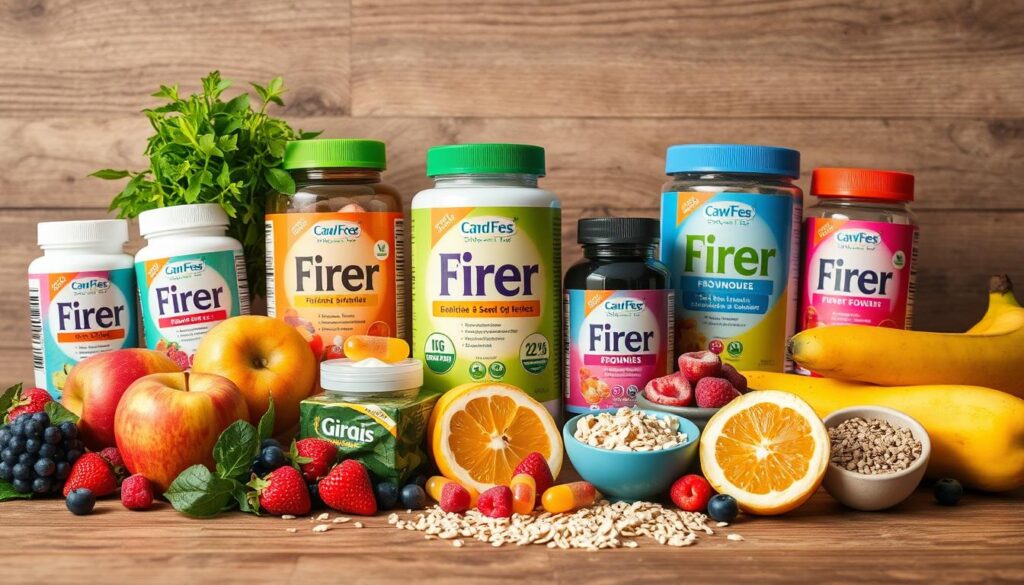
Fiber supplements offer a handy way to boost gut wellness. Popular options include psyllium, inulin, and methylcellulose1. These can help you meet daily fiber needs and support digestive health.
Whole foods are the best fiber source. Yet, supplements can fill gaps for those not getting enough2. Harvard experts suggest 20-30 grams of daily fiber.
Most Americans only get about 15 grams. Supplements can help bridge this nutritional gap2.
Start with small amounts to avoid discomfort. Fiber supplements may cause bloating and gas at first1. Introduce them slowly and drink plenty of water.
Talk to your doctor before starting supplements. Some can affect medications and blood sugar levels1. Your health provider can guide you safely.
Key Takeaways
- Fiber supplements can support digestive health and fill nutritional gaps
- Start with small doses to minimize digestive discomfort
- Stay hydrated when taking fiber supplements
- Consult healthcare providers before beginning supplementation
- Supplements should complement, not replace, a balanced diet
Understanding the Importance of Fiber in Your Diet
Fiber is a key nutrient for maintaining overall health. This powerful dietary component can improve your digestive wellness and support many body functions3.
What is Fiber and Why Do You Need It?
Dietary fiber is a carbohydrate your body can’t digest. It passes through your system mostly intact, offering many health benefits.
A high-fiber diet can help manage weight and improve digestion. It may also lower your risk of chronic diseases4.
Types of Dietary Fiber
Fiber comes in two main forms: soluble and insoluble. Each type offers unique health advantages:
- Soluble Fiber: Dissolves in water and helps lower blood glucose and cholesterol levels3. Found in:
- Oatmeal
- Chia seeds
- Beans and lentils
- Apples and blueberries
- Insoluble Fiber: Promotes digestive regularity and prevents constipation3. Sources include:
- Whole wheat products
- Brown rice
- Leafy greens
- Nuts and seeds
Daily Fiber Recommendations
Getting enough fiber daily is vital for good health. The recommended amounts vary by age and gender4:
- Women 50 and under: 25 grams per day
- Women over 50: 21 grams per day
- Men 50 and under: 38 grams per day
- Men over 50: 30 grams per day
“Most Americans only consume about 15 grams of fiber daily, which is significantly less than recommended”5.
To increase your fiber intake, eat more whole fruits, vegetables, and grains. Legumes are also a great source of fiber.
If you struggle to meet these goals, fiber supplements can help. They’re a good addition to a healthy diet3.
Top Fiber Supplements to Consider
Choosing the right fiber supplement can be tricky. It’s important to find options that support your digestive health. Good supplements can help maintain wellness and relieve constipation.
Several prebiotic supplements stand out for digestive support. Let’s explore the most beneficial fiber supplements available.
Psyllium Husk: A Powerful Digestive Aid
Psyllium husk offers multiple benefits for digestion. It can help control appetite and maintain healthy blood sugar levels. Research shows it may also lower cholesterol2.
The recommended daily fiber intake is 20-30 grams. Psyllium husk is an excellent way to meet this goal2.
- Konsyl provides 6 grams of psyllium per teaspoon6
- Hydrocil Instant offers 3.5 grams of psyllium per teaspoon6
- Perdiem includes 4 grams of psyllium per teaspoon6
Inulin and Chicory Root Fiber: Prebiotic Powerhouse
Inulin, from chicory root, is a remarkable prebiotic supplement. Studies show fascinating insights into its impact on metabolism. Researchers tracked thousands of molecules in volunteers taking various doses of inulin7.
| Fiber Supplement | Soluble Fiber | Insoluble Fiber |
|---|---|---|
| Metamucil | 2 grams | 3 grams |
| Fiberall | 2 grams | 1.5 grams |
| UniFiber | 3 grams | N/A |
Acacia Fiber: Gentle Digestive Support
Acacia fiber is a gentle yet effective supplement for constipation relief. It’s an excellent choice for people with sensitive digestive systems.
Fiber supplements are not one-size-fits-all. Your digestive system may respond differently to various fiber sources.
Pro tip: Always start with a low dose and gradually increase your fiber intake while staying hydrated.
How to Choose the Right Fiber Supplement for You
Picking the right fiber supplement can boost your digestive health. Your needs and goals are key in finding the best match for your gut.
Factors to Consider When Selecting Fiber
When choosing fiber supplements, consider these key aspects:
- Your specific health objectives
- Digestive system sensitivity
- Dietary restrictions
- Existing health conditions
Different fiber types serve unique purposes. Soluble fiber supplements can help manage blood sugar and cholesterol levels.
Insoluble fiber might provide better relief for constipation8.
Checking for Quality and Purity
Ensure you’re getting a high-quality fiber supplement by looking for:
- Third-party testing certifications
- Gluten-free or vegan options
- Transparent ingredient lists
Pro tip: Not all fiber supplements are created equal. Choose wisely for maximum digestive health benefits.
Dosage Guidelines
Start with a low dose and slowly increase to avoid stomach issues. Women need about 25g daily, while men need 38g9.
Always talk to your doctor before starting any new supplement10.
The goal is to add to your diet, not replace whole foods. Try to get most fiber from fruits, veggies, and whole grains8.
Tips for Incorporating Fiber Supplements into Your Routine
Boosting your fiber intake takes planning and consistency. Many Americans fall short of daily fiber needs. Supplements can greatly improve your digestive health.
Women need 25 grams of fiber daily. Men require 38 grams. Timing is key when taking fiber supplements.
Try consuming them before meals. This can help control appetite and support a high-fiber diet. Supplements come in various forms like powders, chewable tablets, and gummies11.
Hydration is crucial for fiber effectiveness. Drink plenty of water with increased fiber intake. This helps supplements work better and prevents digestive issues.
Fiber supplements should add to, not replace, a balanced diet. Gradually introduce fiber to your routine. This allows your digestive system to adjust smoothly.
FAQ
What are the main types of fiber supplements?
Common fiber supplements include psyllium husk, inulin, acacia fiber, and wheat dextrin. Psyllium helps with constipation and diarrhea. Inulin supports gut health as a prebiotic. Each type offers unique benefits for digestive wellness.
How much fiber should I take daily?
Adults should aim for 20-30 grams of fiber daily. Most Americans only consume about 15 grams. Start with a low dose of supplements and increase slowly. Combine diet and supplements to meet your fiber needs.
Can fiber supplements help with weight management?
Fiber supplements can aid weight management by promoting fullness. Soluble fiber slows digestion, helping you feel satisfied longer. This may reduce overall food intake and support weight control efforts.
Are there any side effects of taking fiber supplements?
Some people may experience bloating, gas, or cramping when starting fiber supplements. To minimize these effects, start small and increase gradually. Drink plenty of water with your supplements.
Always consult your healthcare provider before starting any new supplement regimen.
When is the best time to take fiber supplements?
Many find it helpful to take fiber supplements before meals. This can promote feelings of fullness. You can also take them between meals or before bed. Always consume with plenty of water for proper digestion.
What’s the difference between soluble and insoluble fiber?
Soluble fiber dissolves in water and can lower blood sugar and cholesterol. Insoluble fiber doesn’t dissolve and promotes regular bowel movements. Both types are crucial for digestive health.
Can I get enough fiber from my diet alone?
It’s best to get fiber from whole foods like fruits, vegetables, and grains. However, many struggle to meet daily fiber needs through diet alone. Supplements can complement your dietary fiber intake safely and effectively.
Are fiber supplements suitable for everyone?
Not all fiber supplements work for everyone. People with health conditions or dietary restrictions should consult their doctor first. Check for potential interactions and individual health considerations before starting supplements.
Source Links
- Should you take daily fiber supplements? – https://www.mayoclinic.org/healthy-lifestyle/nutrition-and-healthy-eating/expert-answers/fiber-supplements/faq-20058513
- 8 best fiber supplements for constipation and health – https://www.medicalnewstoday.com/articles/best-fiber-supplements
- Fiber – https://nutritionsource.hsph.harvard.edu/carbohydrates/fiber/
- How to add more fiber to your diet – https://www.mayoclinic.org/healthy-lifestyle/nutrition-and-healthy-eating/in-depth/fiber/art-20043983
- Increasing Fiber Intake – https://www.ucsfhealth.org/education/increasing-fiber-intake
- Fiber Supplements – https://www.ucsfhealth.org/education/fiber-supplements
- Fiber supplements aren’t one-size-fits-all, study shows – https://med.stanford.edu/news/all-news/2022/04/fiber-supplements.html
- A Guide to Recommending Fiber Supplements for Self-Care – https://pmc.ncbi.nlm.nih.gov/articles/PMC7566180/
- Feeling Constipated? Here Are 6 Fiber Supplements That Could Help You Poop – https://www.eatingwell.com/best-fiber-supplements-8548491
- The 9 Best Fiber Supplements of 2024, According to 7 Registered Dietitians – https://www.everydayhealth.com/nutritional-supplements/best-fiber-supplements/
- The Best Way to Incorporate Fiber Into Your Daily Routine – https://www.futureofpersonalhealth.com/digestive-health/the-best-way-to-incorporate-fiber-into-your-daily-routine/

