
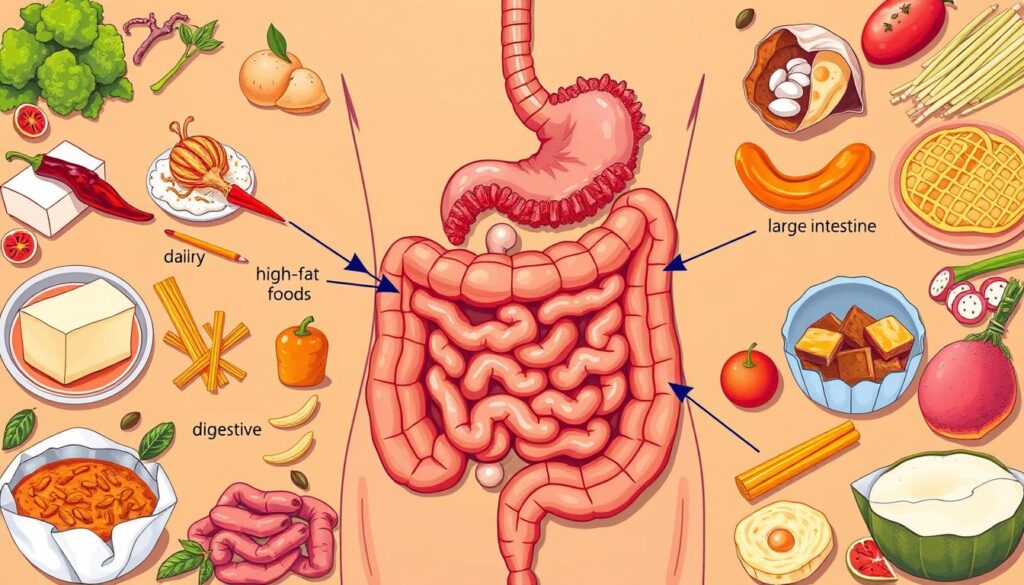
Diarrhea after eating can disrupt your daily life. Postprandial diarrhea is a widespread digestive issue affecting millions worldwide1. Understanding the causes can help you manage symptoms effectively2.
Digestive problems can stem from food intolerances, infections, or chronic conditions. Nearly 48 million Americans face foodborne illnesses yearly, triggering sudden digestive distress2. Irritable Bowel Syndrome (IBS) affects 10-15% of people globally1.
Diarrhea after meals can result from simple food sensitivities or complex digestive disorders. Lactose intolerance affects 5% of northern Europeans and up to 90% of Hispanic, African, or Asian individuals1.
Key Takeaways
- Postprandial diarrhea is a common digestive issue affecting millions
- Multiple factors can cause diarrhea after eating
- Food intolerances and infections are frequent triggers
- Chronic conditions like IBS can contribute to digestive problems
- Understanding your symptoms is crucial for effective management
Understanding Diarrhea After Eating: Causes and Types
Diarrhea after eating can be uncomfortable and worrying. Your digestive system may react to various triggers. Knowing these causes can help you manage symptoms better.
Acute Causes of Postprandial Diarrhea
Acute diarrhea happens suddenly and usually lasts a few days. Several common factors can trigger this condition.
- Food poisoning can cause symptoms 30 minutes to 8 hours after eating3
- Viral infections like stomach flu4
- Rotavirus, especially in children5
- Bacterial infections such as Clostridioides difficile5
Lactose intolerance is another common cause of acute diarrhea. If you can’t digest dairy, milk or cheese can cause digestive discomfort45.
Chronic Causes of Postprandial Diarrhea
Some conditions can lead to long-term digestive issues. These may result in ongoing diarrhea after eating.
| Condition | Primary Symptoms |
|---|---|
| Irritable Bowel Syndrome (IBS) | Recurring digestive distress |
| Inflammatory Bowel Disease | Chronic intestinal inflammation |
| Celiac Disease | Gluten-triggered autoimmune response |
People with inflammatory bowel diseases like Crohn’s disease may have diarrhea after meals. Symptoms can vary between individuals34.
If your diarrhea persists, comes with fever, or shows signs of dehydration, see a doctor right away3.
Knowing these causes can help you spot potential triggers. It also helps you seek proper medical advice for your specific case.
Treatment Strategies and Management Options
Treating diarrhea after eating depends on its cause and severity. The main goal is to manage hydration and restore digestive balance6.
Focus on staying hydrated first. Drink plenty of electrolyte-replacement solutions to replenish lost fluids and minerals6.
For children, oral rehydration solutions like Pedialyte are highly recommended. These prevent dehydration effectively7.
Dietary Management
The BRAT diet can help manage diarrhea effectively. This diet includes:
- Bananas (rich in potassium)8
- Rice
- Applesauce
- Toast
These bland foods soothe your stomach and provide key nutrients8.
Medication and Supplements
Over-the-counter medicines can offer relief, but use them carefully. Loperamide and bismuth subsalicylate may reduce stool frequency7.
Doctors advise against these for infants and children7. Probiotics might help balance gut bacteria and shorten diarrhea by a day8.
Additional Management Strategies
| Strategy | Benefits |
|---|---|
| Stress Management | Reduces gut inflammation |
| Hand Hygiene | Prevents infection spread |
| Food Safety | Minimizes risk of foodborne illnesses |
If symptoms persist or worsen, seek medical help. A doctor may suggest special treatments or check for underlying issues6.
Remember, most acute diarrhea cases resolve naturally with proper care and patience.
Conclusion
Managing diarrhea after eating requires a proactive approach. Start by identifying potential triggers and making informed dietary choices. Recognizing underlying causes helps develop effective long-term management strategies9.
Knowing when to see a doctor is vital for digestive health. Watch for persistent symptoms, severe abdominal pain, or signs of dehydration10. Seek medical help if diarrhea lasts over two days or includes high fever10.
Your management plan may include dietary changes, probiotics, and food tracking9. Stay hydrated and avoid trigger foods. Work with healthcare providers to improve your quality of life9.
Everyone’s digestive system is unique. Be patient and self-aware. Professional guidance is key to managing diarrhea after eating effectively.
FAQ
What is postprandial diarrhea?
Postprandial diarrhea (PD) occurs within 30 minutes to a few hours after eating. It can be acute, lasting 1-2 days, or chronic, persisting for over 4 weeks. Various factors cause PD, including food intolerances, infections, or underlying medical conditions.
What are the most common causes of diarrhea after eating?
Common causes include food poisoning and viral infections like norovirus. Lactose intolerance, sugar malabsorption, and Irritable Bowel Syndrome (IBS) can also trigger diarrhea.
Other causes are Inflammatory Bowel Disease (IBD), celiac disease, and microscopic colitis. These conditions affect your digestive system in different ways.
How can I manage diarrhea after eating at home?
For acute cases, stay hydrated with electrolyte solutions and follow the BRAT diet. Practice good hand hygiene and consider taking probiotics to restore gut balance.
Over-the-counter medications like Imodium may provide relief. Consult a healthcare provider if symptoms persist or worsen.
When should I see a doctor about my diarrhea?
Seek medical help if diarrhea lasts more than two days or comes with a high fever. Blood in stool or signs of dehydration also require immediate attention.
Those with chronic digestive issues should get a professional medical evaluation. This helps identify and treat the underlying cause.
Can stress cause diarrhea after eating?
Yes, stress can impact your digestive system due to the brain-gut connection. Try deep-breathing exercises to reduce digestive distress.
Chronic stress may worsen conditions like IBS and contribute to postprandial diarrhea. Managing stress is key to improving symptoms.
How can I prevent diarrhea after eating?
Practice food safety and get vaccinated against rotavirus. Avoid known trigger foods and maintain good hygiene.
Be cautious with food preparation. If you have lactose intolerance or celiac disease, carefully manage your diet.
Are probiotics helpful for diarrhea?
Probiotics can restore good bacteria in your gut, potentially reducing diarrhea duration and severity. They’re especially useful after antibiotics or viral infections.
Consult a healthcare provider to find the best probiotic for your specific condition. Not all probiotics are the same.
What is the BRAT diet, and why is it recommended?
BRAT stands for Bananas, Rice, Applesauce, and Toast. These foods are bland, low in fiber, and easy to digest.
The BRAT diet helps firm up stools and provides some nutrition. It gives your digestive system time to recover during diarrhea episodes.
This diet is typically recommended for short-term use during acute digestive issues. It’s not suitable for long-term nutrition.
Source Links
- Diarrhea after eating: Causes, treatment, and prevention – https://www.medicalnewstoday.com/articles/319962
- Diarrhea After Eating: Causes and Treatments – https://www.healthline.com/health/digestive-health/diarrhea-after-eating
- Why You Sometimes Get Diarrhea After Eating and How to Prevent It – https://www.health.com/diarrhea-after-eating-7554490
- What to Do When Eating Gives You Diarrhea – https://www.verywellhealth.com/diarrhea-after-eating-1944811
- Diarrhea – Symptoms and causes – https://www.mayoclinic.org/diseases-conditions/diarrhea/symptoms-causes/syc-20352241
- Diarrhea – Diagnosis and treatment – https://www.mayoclinic.org/diseases-conditions/diarrhea/diagnosis-treatment/drc-20352246
- Treatment of Diarrhea – NIDDK – https://www.niddk.nih.gov/health-information/digestive-diseases/diarrhea/treatment
- Understanding Diarrhea Treatment – https://www.webmd.com/digestive-disorders/understanding-diarrhea-treatment
- Diarrhea after eating: What may be the cause and how to determine it? – https://www.sova.health/blogs/digestive-health/causes-of-diarrhea-after-eating-identifying-the-triggers?srsltid=AfmBOorbhhZNoZ8AOVHM_r5gKutMDFun5QT3uGNinCWCoCeiya9NeUws
- Symptoms & Causes of Diarrhea – NIDDK – https://www.niddk.nih.gov/health-information/digestive-diseases/diarrhea/symptoms-causes

