
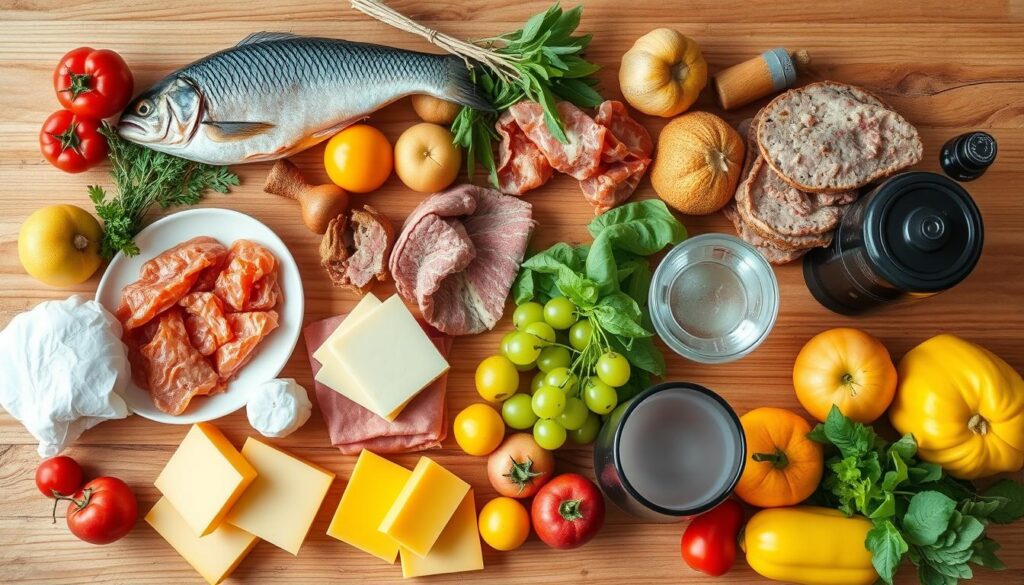
Pregnancy diet choices can be tricky. Knowing which foods are risky is vital for your and your baby’s health. Your food picks directly affect your baby’s growth and your own health12.
Pregnancy nutrition rules stress smart food choices. The FDA suggests eating 8 to 12 ounces of seafood weekly. This helps you get key nutrients while dodging possible dangers1.
Moms-to-be must watch out for unsafe foods. Raw meats, unpasteurized dairy, and some fish types can be risky. The risk of food-related illnesses goes up a lot during pregnancy2.
Keep an eye on your caffeine intake. Pregnant women should stick to less than 200 milligrams per day. This helps avoid potential problems12.
No amount of alcohol is safe when you’re pregnant. It’s best to avoid it completely13.
Key Takeaways
- Follow specific seafood consumption guidelines
- Avoid raw and unpasteurized foods
- Limit caffeine intake
- Completely eliminate alcohol
- Prioritize food safety during pregnancy
Understanding Pregnancy Food Safety Basics
Pregnancy makes food choices crucial. Your diet affects your health and your baby’s growth. Food safety becomes a top priority for expecting mothers.
Safe eating during pregnancy requires careful attention. Pregnant women face unique immune system challenges. Understanding these risks helps protect you and your unborn child.
Harmful foods can pose risks to your pregnancy. Eating problematic ingredients may lead to health complications. Both mother and baby can be affected4.
Critical Food Safety Considerations
Some foods may contain harmful bacteria. Practice careful food preparation techniques. Keep a close eye on your diet during pregnancy5.
- Be aware of foods that may contain harmful bacteria
- Practice careful food preparation techniques
- Monitor your diet closely during pregnancy
Common Food Safety Risks
Pregnancy changes your immune system. This increases your risk of foodborne illnesses. Key risks include:4
- Listeria infections
- Salmonella contamination
- Toxoplasmosis
“Prevention is always better than cure when it comes to pregnancy nutrition.”
Protecting Your Health
Doctors recommend specific nutritional guidelines for pregnancy. Aim for 2.5 cups of vegetables and 2 cups of fruit daily. Take proper food preparation precautions6.
Key prevention strategies include:
- Cooking meats to safe internal temperatures
- Avoiding unpasteurized products
- Washing fruits and vegetables thoroughly
- Preventing cross-contamination in the kitchen
Foods to Avoid During Pregnancy
Pregnancy requires careful food choices to protect you and your baby. Some foods can pose health risks during this time. Knowing which items to avoid is crucial for a safe pregnancy.
Here are foods to steer clear of while expecting:
- High-mercury fish like shark, swordfish, and bigeye tuna
- Raw or undercooked seafood, meat, and eggs
- Unpasteurized dairy products
- Soft cheeses made from raw milk
Proper cooking temperatures ensure food safety. Cook ground poultry and chicken to 165°F. Whole meat cuts need at least 145°F7. Make sure egg yolks and whites are firm to kill bacteria7.
“Your diet directly impacts your baby’s health and development”
Avoid raw sprouts and unwashed produce. Skip processed foods high in added sugars. Don’t drink alcohol, and limit caffeine to less than 200 mg daily8.
Choose pasteurized milk and hard cheeses like cheddar7. Wash produce well and cook foods to the right temperature. This helps prevent foodborne illnesses.
Your doctor can offer personalized advice for your pregnancy diet. For more info, check out this guide on foods to avoid during.
Conclusion
A Safe Pregnancy Diet needs careful attention and smart choices. Your health and your baby’s growth depend on knowing which foods help or harm. Pregnancy nutrition recommendations are key for making the best food decisions9.
Healthy Eating During Pregnancy is more than just avoiding certain foods. It’s about balanced nutrition for both mom and baby. Watch your weight gain, as it can lead to health issues.
Pick nutrient-rich foods and limit high-risk items. This is crucial for your baby’s long-term health9.
Your doctor is the best source for personalized nutrition advice. Every pregnancy is different. Stay informed and make mindful food choices.
By focusing on safe, nutritious options, you can support a healthy pregnancy. Knowledge and prevention are your best tools during this special time.
FAQ
What seafood is safe to eat during pregnancy?
Low-mercury fish like salmon, sardines, and trout are safe during pregnancy. Eat 8 to 12 ounces of these fish weekly. Avoid high-mercury options such as shark, swordfish, and king mackerel.
Always cook seafood thoroughly to prevent bacterial contamination. This ensures the safety of both you and your baby.
Why are unpasteurized dairy products dangerous during pregnancy?
Unpasteurized dairy can contain listeria, a harmful bacteria for pregnant women. It may cause miscarriage, stillbirth, or severe developmental issues in babies.
Avoid soft cheeses like feta, brie, and blue cheese. Only eat these if they’re made with pasteurized milk.
How much caffeine can I consume while pregnant?
Limit caffeine to less than 200 mg daily. This equals about one 12-ounce cup of coffee. Too much caffeine may risk fetal development.
Is it safe to eat deli meats during pregnancy?
Deli meats can carry listeria, so it’s best to avoid them. If you crave deli meats, heat them until steaming hot before eating.
This heating process helps kill any potential bacteria. Always prioritize food safety during pregnancy.
What raw foods should I completely avoid during pregnancy?
Steer clear of raw or undercooked meats, seafood, and eggs. Also avoid raw sprouts and wash fruits and vegetables thoroughly.
Raw foods may contain harmful bacteria like salmonella and E. coli. These can be dangerous for pregnant women.
Can I drink alcohol during pregnancy?
No, avoid all alcohol during pregnancy. Drinking can lead to fetal alcohol syndrome, causing serious developmental issues.
This condition can result in lifelong health problems for your baby. It’s best to abstain completely.
Are there any specific organ meats I should be cautious about?
Eat organ meats in moderation due to their high vitamin A content. Too much vitamin A can potentially cause birth defects.
Always talk to your healthcare provider about your specific dietary needs. They can offer personalized advice for your pregnancy.
How can I reduce the risk of foodborne illnesses during pregnancy?
Practice good food safety by washing produce and cooking meats properly. Avoid high-risk foods and maintain good kitchen hygiene.
Pregnant women are up to 10 times more likely to get listeria. Being extra cautious with food safety is crucial.
Source Links
- Do you know which foods to avoid when you’re pregnant? – https://www.mayoclinic.org/healthy-lifestyle/pregnancy-week-by-week/in-depth/pregnancy-nutrition/art-20043844
- 11 Foods and Beverages to Avoid During Pregnancy – https://www.healthline.com/nutrition/11-foods-to-avoid-during-pregnancy
- Foods to avoid when pregnant – https://www.pregnancybirthbaby.org.au/foods-to-avoid-when-pregnant
- Food Safety During Pregnancy – Unlock Food – https://www.unlockfood.ca/en/Articles/Pregnancy/Food-Safety-During-Pregnancy.aspx
- People at Risk: Pregnant Women – https://www.foodsafety.gov/people-at-risk/pregnant-women
- Pregnancy diet: What to eat and what to avoid – https://www.medicalnewstoday.com/articles/246404
- Safer Food Choices for Pregnant People – https://www.cdc.gov/food-safety/foods/pregnant-people.html
- Nutrition During Pregnancy – https://www.hopkinsmedicine.org/health/wellness-and-prevention/nutrition-during-pregnancy
- What Foods Should You Avoid During Pregnancy | My ObGyn Specialists – https://www.toplinemd.com/myobgynspecialists/what-foods-should-you-avoid-during-pregnancy/

