
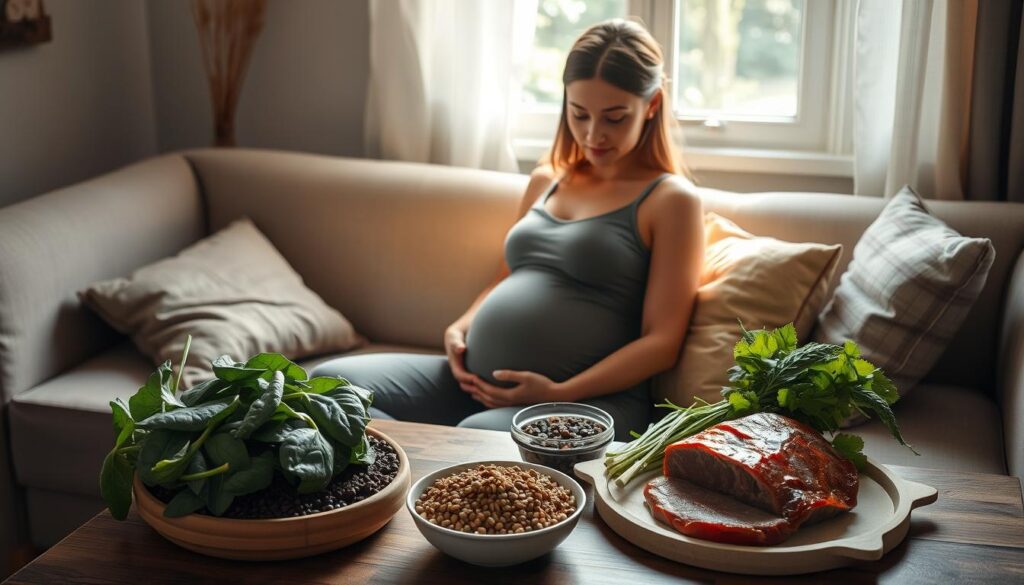
Pregnancy brings big changes to your body, increasing your need for nutrients. Iron Deficiency Anemia is a serious issue for many pregnant women1. It can affect both mom and baby’s health.
Your blood volume grows a lot during pregnancy. This makes iron supplements very important2. They help keep your hemoglobin at healthy levels.
Good nutrition is key when you’re pregnant. Your body is working hard to support your growing baby. Without proper care, you might face health problems1.
The risk of complications goes up if you don’t manage your nutrition well2. This can affect how your pregnancy turns out.
Key Takeaways
- Iron deficiency affects over 30% of pregnancies
- Prenatal vitamins are crucial for maintaining iron levels
- Symptoms can include fatigue, weakness, and dizziness
- Proper nutrition plays a vital role in preventing anemia
- Early detection and treatment are key to a healthy pregnancy
Understanding Iron Deficiency Anemia During Pregnancy
Pregnancy changes your body’s blood makeup, making gestational anemia a key health issue. Your body undergoes big shifts that can affect your overall health3.
What Causes Anemia in Pregnant Women
Many factors challenge your body’s iron balance during pregnancy. Your blood volume rises by 20-30%, needing more iron and nutrients3. This growth calls for extra nutritional support to keep making healthy red blood cells.
- Increased blood volume requirements
- Rapid fetal growth
- Insufficient dietary iron intake
- Reduced iron absorption
Risk Factors for Developing Gestational Anemia
Some conditions can raise your risk of pregnancy fatigue due to anemia. Key risk factors include:
- Close pregnancy intervals
- Multiple pregnancies
- Frequent morning sickness
- Heavy pre-pregnancy menstrual flow
Iron deficiency rates can hit 80% in poor areas and 45% in rich countries4. Knowing these risks helps you take steps to keep your nutrition healthy.
Common Symptoms and Warning Signs
Spotting anemia signs early can help you get timely help. Look out for these warning signs:
| Physical Symptoms | Potential Indicators |
|---|---|
| Extreme Fatigue | Persistent exhaustion |
| Pale Skin | Decreased skin pigmentation |
| Shortness of Breath | Reduced oxygen circulation |
Your doctor might suggest folic acid and iron supplements to help with these symptoms5. Regular check-ups can track your iron levels and prevent problems.
Proactive nutrition and medical supervision are your best defenses against gestational anemia.
Prevention and Treatment Strategies for Maternal Anemia
Protect your health during pregnancy by preventing iron deficiency anemia. Prenatal care experts suggest ways to keep you and your baby healthy6.
Your diet is crucial for managing iron levels. Key strategies include:
- Consuming iron-rich foods like lean red meat, poultry, and fish
- Incorporating iron-fortified cereals and dark green leafy vegetables
- Taking recommended prenatal vitamins with iron supplements
Iron absorption can be tricky. Pair iron-rich foods with vitamin C sources like orange juice or strawberries. This helps your body absorb essential nutrients better7.
Aim to take 27 mg of iron daily through your diet and supplements6.
“Proper nutrition during pregnancy is your first line of defense against anemia” – Maternal Health Experts
For severe cases, doctors might suggest extra steps. Intravenous iron might be needed, but it’s usually a last resort.
Keep taking prenatal vitamins or iron supplements after delivery. Continue for 6-8 weeks to restore lost iron7.
Pro tip: Space out calcium intake from iron supplements. Calcium can reduce iron absorption. Consistent, mindful eating helps maintain healthy iron levels during pregnancy6.
Conclusion
Iron deficiency during pregnancy is a crucial aspect of prenatal care. With 1.24 billion people worldwide affected, pregnant women need to be extra careful about their nutrition8. The prevalence of iron deficiency in pregnancy is around 18% across different trimesters9.
Preventing iron deficiency involves thorough screening and smart nutrition choices. About 77% of pregnant individuals already use iron-containing supplements9. Work closely with your doctor to keep an eye on your iron levels.
Adjust your diet and take steps to lower risks linked to gestational iron deficiency. Focusing on iron supplements and regular check-ups can greatly improve your pregnancy outcomes. Your efforts support both your health and your baby’s growth.
Stay informed and active in your prenatal care. This approach will help you navigate this important phase of maternal health with success.
FAQ
What is iron deficiency anemia during pregnancy?
Iron deficiency anemia happens when your body lacks healthy red blood cells. During pregnancy, you need double the iron compared to non-pregnant women. This is due to increased blood volume for your growing baby.
The condition can develop from insufficient iron stores or intake. It’s crucial to maintain proper iron levels throughout pregnancy.
What are the most common symptoms of anemia during pregnancy?
Common symptoms include fatigue, weakness, dizziness, headaches, and pale skin. You might also experience shortness of breath and unusual ice cravings. Severe cases may cause rapid heartbeat and difficulty concentrating.
If you notice these symptoms, talk to your healthcare provider right away. Early detection and treatment are key.
How can I prevent iron deficiency anemia while pregnant?
Take prenatal vitamins with 27 mg of iron daily. Eat iron-rich foods like lean red meat, poultry, fish, and dark green leafy vegetables.
Pair iron-rich foods with vitamin C sources to boost absorption. Always check with your doctor about your specific nutritional needs.
What are the risk factors for developing anemia during pregnancy?
Risk factors include closely spaced or multiple pregnancies and frequent morning sickness. Inadequate iron-rich food intake, heavy pre-pregnancy menstrual flow, and previous anemia also increase risk.
Women with these factors should pay extra attention to their iron intake. Regular check-ups can help monitor iron levels effectively.
Can iron deficiency anemia harm my baby?
Untreated iron deficiency anemia can lead to serious complications. These include premature birth, low birth weight, and increased mortality risk.
It may also cause postpartum depression. Regular screening and proper nutrition are vital to prevent these potential risks.
How much iron do I need during pregnancy?
The WHO recommends hemoglobin levels above 11.0 g/dL in first and third trimesters. For the second trimester, levels should be above 10.5 g/dL.
Your doctor will likely suggest 27 mg of iron daily. This comes from prenatal vitamins and a balanced diet.
Are there any tips for improving iron absorption?
Pair iron-rich foods with vitamin C sources like orange juice or strawberries. This enhances absorption. Avoid eating calcium-rich foods with iron, as calcium decreases iron absorption.
Space out your iron and calcium intake throughout the day. This helps maximize the benefits of both nutrients.
How long should I continue taking iron supplements after pregnancy?
Continue prenatal vitamins or iron supplements for 6-8 weeks after delivery. This helps replenish iron stores lost during childbirth.
Your doctor can determine the right duration and dosage based on your health needs. Regular check-ups will ensure optimal iron levels.
Source Links
- Prevent iron deficiency anemia during pregnancy – https://www.mayoclinic.org/healthy-lifestyle/pregnancy-week-by-week/in-depth/anemia-during-pregnancy/art-20114455
- Iron deficiency and iron deficiency anemia in pregnancy – https://pmc.ncbi.nlm.nih.gov/articles/PMC8321297/
- Anemia and Pregnancy – https://www.hematology.org/education/patients/anemia/pregnancy
- Iron Deficiency in Pregnancy – PMC – https://pmc.ncbi.nlm.nih.gov/articles/PMC7492370/
- Iron Deficiency Anemia During Pregnancy: Care Instructions – https://myhealth.alberta.ca/Health/aftercareinformation/pages/conditions.aspx?hwid=uh2814
- Preventive Treatments of Iron Deficiency Anaemia in Pregnancy: A Review of Their Effectiveness and Implications for Health System Strengthening – https://pmc.ncbi.nlm.nih.gov/articles/PMC3400371/
- Prevention & management of anaemia in pregnancy: Multi-pronged integrated interventions may pay rich dividends – https://pmc.ncbi.nlm.nih.gov/articles/PMC8715698/
- Iron deficiency anaemia in pregnancy: A contemporary review – https://pmc.ncbi.nlm.nih.gov/articles/PMC8358243/
- Iron Deficiency and Iron Deficiency Anemia During Pregnancy: Screening and Supplementation – https://www.uspreventiveservicestaskforce.org/uspstf/recommendation/iron-deficiency-anemia-in-pregnant-women-screening-and-supplementation

