
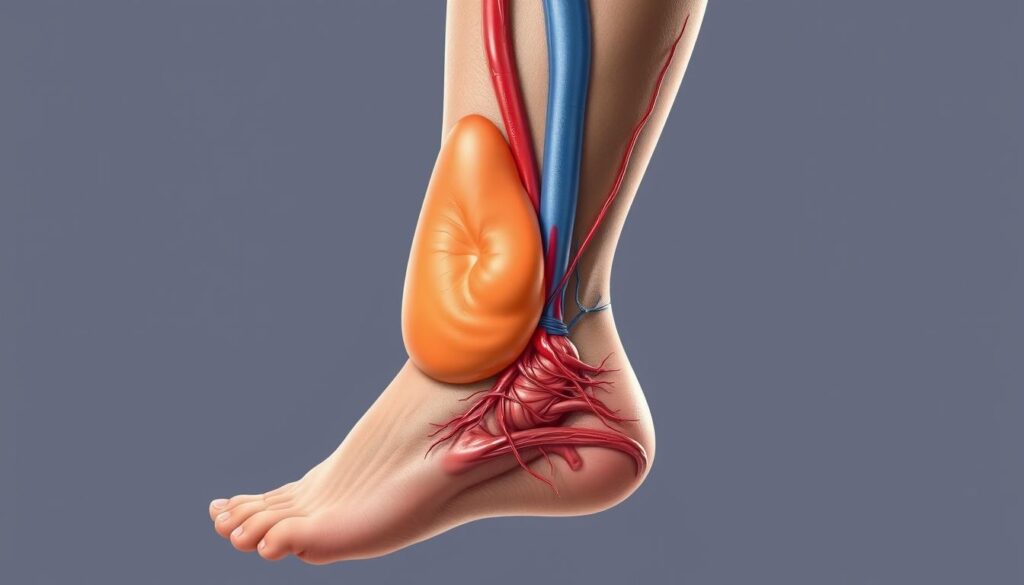
Swollen ankles or peripheral edema can be more than a minor nuisance. It affects millions of people and may signal underlying health issues. Your body uses swelling to communicate potential problems, from fluid buildup to serious medical concerns12.
Knowing why legs swell is key to staying healthy. The condition can develop slowly or quickly, affecting one or both legs1. Medications, lifestyle choices, and medical conditions can all lead to this uncomfortable experience3.
Ongoing swelling could point to bigger health issues. Spotting the signs and getting medical help can prevent problems and boost your well-being1.
Key Takeaways
- Leg swelling affects 4.4 million Americans annually
- Multiple factors can cause fluid buildup in legs
- Some swelling may indicate serious medical conditions
- Early detection and treatment are essential
- Lifestyle modifications can help manage leg swelling
Understanding Leg Swelling and Its Common Causes
Leg swelling is a complex issue affecting many people. Understanding its causes helps manage and prevent peripheral edema. Fluid retention in legs can lead to discomfort and other symptoms.
Fluid Buildup and Edema
Peripheral edema happens when fluid builds up in leg tissues. This causes swollen legs and possible discomfort. Symptoms include puffy ankles, shiny skin, and noticeable texture changes4.
Several factors contribute to this condition:
- Prolonged sitting or standing
- High salt intake
- Obesity
- Pregnancy
Medical Conditions Behind Swelling
Various medical conditions can trigger leg swelling, including:
| Condition | Impact on Leg Swelling |
|---|---|
| Chronic Venous Insufficiency | Impairs blood return to the heart5 |
| Deep Vein Thrombosis | Creates blood clot risks5 |
| Kidney Disease | Disrupts fluid regulation5 |
| Lymphedema | Blocks lymphatic system drainage5 |
Lifestyle and Environmental Factors
Your daily habits greatly affect leg swelling. Prolonged sitting, standing, and obesity can increase fluid retention4. Pregnancy and certain medications may also contribute to this issue5.
Prevention starts with understanding your body’s unique signals and maintaining a healthy lifestyle.
If you notice persistent or severe swelling, seek medical help. A healthcare professional can determine the cause and suggest proper treatment4.
Prevention and Treatment Options for Leg Swelling
Managing leg swelling requires a mix of lifestyle changes and targeted treatments. Understanding effective remedies can provide relief and prevent complications6. Your first step is to implement these strategies.
Compression stockings are vital in addressing leg swelling. They apply graduated pressure, improving blood flow and reducing fluid buildup7. Consult a healthcare pro to ensure the right fit.
- Elevate your legs above heart level when resting
- Perform regular exercises to enhance circulation
- Reduce salt intake to minimize fluid retention
- Stay hydrated with water
Exercise is another powerful remedy for leg swelling. Walking and light activities help pump fluid back to the heart8. If swelling continues, your doctor might suggest diuretics.
“Prevention is always better than cure when it comes to leg swelling” – Medical Experts
When should you seek medical help? Call a doctor if you have sudden, unexplained leg swelling. This is especially important if you have pain or skin color changes6.
A thorough medical checkup can pinpoint the cause. It also helps create a tailored treatment plan. Managing leg swelling takes time, care, and expert guidance.
Conclusion
Leg swelling is a complex health issue affecting many people. It requires awareness, prevention, and timely medical care. Nearly 20% of older adults experience peripheral edema, highlighting the need for proactive health strategies9.
Watch for your body’s signals when preventing edema. Obesity, diabetes, and low activity can increase swelling risk9. See a doctor if swelling persists or comes with pain or skin color changes10.
Good circulation is crucial for preventing leg swelling. Exercise, compression stockings, and staying hydrated can help reduce risk10. Temporary puffiness may be harmless, but ongoing swelling could signal serious health issues11.
Your health matters. Learn about leg swelling and take preventive steps. Seek professional help when needed. Stay informed and listen to your body for optimal leg health.
FAQ
What causes leg swelling?
Leg swelling stems from various factors. These include chronic venous insufficiency, lymphedema, and deep vein thrombosis. Kidney disease, liver issues, and heart problems can also cause swelling.
Medical conditions, medications, and lifestyle choices contribute to fluid buildup. Prolonged sitting, obesity, pregnancy, and high salt intake are common culprits.
When should I be concerned about leg swelling?
Seek medical help for sudden or severe swelling. Watch for swelling with shortness of breath or chest pain. If self-care doesn’t improve the condition, consult a doctor.
These symptoms might indicate a serious underlying issue. Professional evaluation is crucial in such cases.
How can I reduce leg swelling at home?
Elevate your legs above heart level to reduce swelling. Regular exercise, especially walking, can improve circulation. Wear compression stockings and maintain a low-salt diet.
Stay hydrated to help your body manage fluid retention. These strategies can ease discomfort and promote better leg health.
Can medications cause leg swelling?
Some medications can cause leg swelling as a side effect. These include diabetes drugs, blood pressure treatments, and pain relievers. Hormone therapies and chemotherapy drugs may also lead to swelling.
If you notice swelling after starting a new medication, talk to your doctor.
Is leg swelling during pregnancy normal?
Some leg swelling is common during pregnancy, especially in later stages. However, excessive or sudden swelling can signal complications like preeclampsia.
Always discuss significant swelling with your healthcare provider during pregnancy. They can determine if it’s normal or needs attention.
What medical conditions are associated with leg swelling?
Many conditions can cause leg swelling. These include heart failure, kidney disease, and liver problems. Deep vein thrombosis, lymphedema, and chronic venous insufficiency are also culprits.
Cardiomyopathy, pericarditis, and pulmonary hypertension may lead to swelling. Each condition requires specific medical diagnosis and treatment.
How do compression stockings help with leg swelling?
Compression stockings apply gentle pressure to your legs. This supports veins and improves blood circulation. They help prevent fluid buildup and reduce discomfort.
These stockings are especially useful for people who stand or sit for long periods.
Can obesity contribute to leg swelling?
Obesity significantly contributes to leg swelling. Extra weight puts pressure on legs and impairs circulation. It also increases the risk of fluid retention.
Maintaining a healthy weight through diet and exercise can help reduce swelling. This approach promotes overall leg health.
Is leg swelling dangerous?
Not all leg swelling is dangerous, but it can signal serious issues. Persistent or sudden swelling might indicate heart, kidney, or circulatory problems.
Seek immediate medical attention if swelling comes with chest pain or breathing difficulties. These symptoms could point to urgent health concerns.
How does diet affect leg swelling?
A high-salt diet can lead to fluid retention and leg swelling. Reducing sodium intake helps minimize fluid buildup. Staying hydrated and eating a balanced diet are crucial.
For personalized advice on managing leg swelling through diet, consult a nutritionist. They can create a plan tailored to your needs.
Source Links
- Leg Swelling – https://www.umms.org/ummc/health-services/heart-vascular/services/vascular-disease/leg-swelling
- Foot, leg, and ankle swelling: MedlinePlus Medical Encyclopedia – https://medlineplus.gov/ency/article/003104.htm
- Common Causes of Leg Swelling – https://www.webmd.com/dvt/why-legs-puffy
- Swollen ankles, feet and legs (oedema) – https://www.nhs.uk/conditions/oedema/
- Know when swollen legs signal trouble – https://www.mayoclinic.org/symptoms/leg-swelling/basics/causes/sym-20050910
- Know when swollen legs signal trouble – https://www.mayoclinic.org/symptoms/leg-swelling/basics/when-to-see-doctor/sym-20050910
- Patient education: Edema (swelling) (Beyond the Basics) – https://www.uptodate.com/contents/edema-swelling-beyond-the-basics/print
- Swollen legs, ankles, and feet: Causes and treatments – https://www.medicalnewstoday.com/articles/327473
- Peripheral edema: A common and persistent health problem for older Americans – https://pmc.ncbi.nlm.nih.gov/articles/PMC8675752/
- Understanding Leg Swelling: Causes and Treatments – https://www.completecvcare.com/understanding-leg-swelling-for-vein-care-whats-normal-and-whats-not/
- Puffy Legs: When to See a Doctor – https://www.cvmus.com/blog/puffy-legs-when-see-doctor-and-what-expect

