
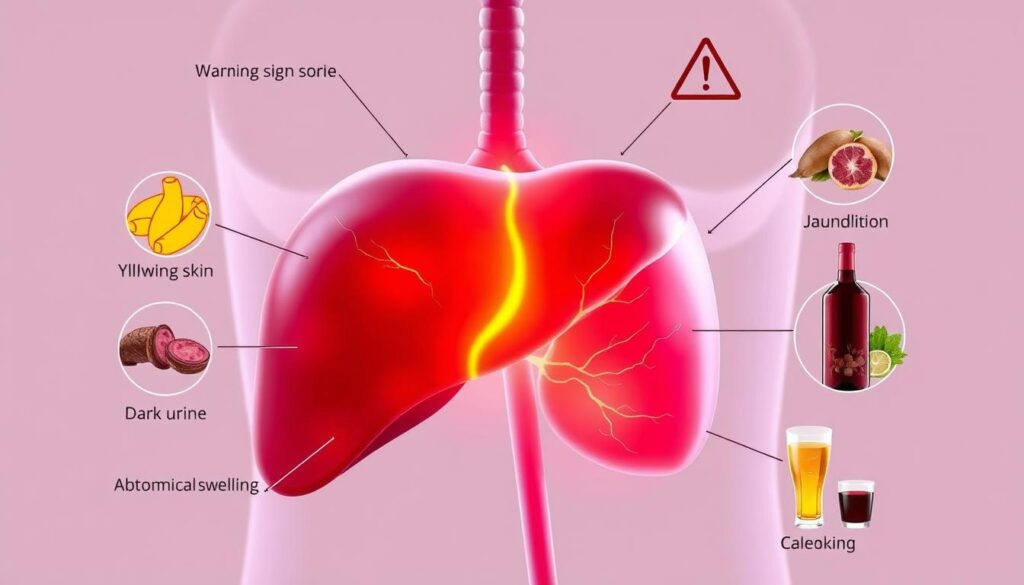
Your liver is vital for keeping your body healthy. It’s important to understand liver disease and its risks. Liver problems can develop quickly or slowly, depending on the cause1.
Many factors can harm your liver. These include poor lifestyle choices and certain medical conditions. Hepatitis and cirrhosis often develop without obvious symptoms2.
Heavy drinking, obesity, and toxins can seriously damage your liver1. Spotting warning signs early is key to preventing major liver issues. Watch for jaundice, sudden weight changes, and ongoing tiredness1.
Key Takeaways
- Liver problems can develop quickly or gradually
- Early detection is crucial for effective treatment
- Lifestyle choices significantly impact liver health
- Multiple factors can contribute to liver damage
- Some liver symptoms can be subtle and easily missed
Understanding Liver Problems: An Overview
Your liver is vital for your health. It’s about the size of a football and weighs up to 4 pounds. This amazing organ filters toxins, processes nutrients, and supports many bodily functions3.
Liver dysfunction happens when the organ can’t work properly. About 1.8% of U.S. adults have liver disease. This condition can greatly affect overall health4.
What is Liver Dysfunction?
Liver dysfunction includes many conditions that harm liver function. There are over 100 types of liver diseases. These can affect how your body processes nutrients and filters toxins5.
- Impaired liver function can result from various factors
- Liver enzymes may become elevated during disease progression
- Fatty liver can develop from multiple causes
Common Causes of Liver Issues
Several factors contribute to liver problems, including:
- Viral infections (hepatitis A, B, C)
- Excessive alcohol consumption5
- Obesity and metabolic disorders
- Genetic predispositions3
“A healthy liver is essential for survival”5
Untreated liver problems can lead to liver failure. Men are twice as likely to get liver disease as women4. Early diagnosis and proper care can help reverse damage.
Quick action can prevent severe complications5.
Understanding your liver’s health is crucial for maintaining overall wellness and preventing potential long-term health issues.
Recognizing Early Signs of Liver Problems
Your body sends warning signals when liver health declines. Knowing these early symptoms helps you take action. Timely medical care can improve your overall wellness.
Symptoms You Shouldn’t Overlook
Liver disease signs appear in different ways. Key indicators include:
- Persistent fatigue and weakness
- Unexpected weight loss
- Abdominal discomfort
- Changes in skin and eye color
Fatigue and Weakness: Silent Signals
Fatigue often warns of liver problems. When your liver struggles, your body loses energy. This exhaustion isn’t normal tiredness.
It’s a deep weakness that rest can’t fix6. Your energy levels directly relate to liver health.
“Your body’s energy levels are directly connected to liver performance.”
Jaundice: A Visible Warning
Jaundice is a crucial liver problem symptom. Yellowing skin and eyes show your liver isn’t processing bilirubin well6. This condition suggests serious liver issues.
Seek immediate medical help if you notice these signs7.
Potential liver disease complications can include:
- Portal hypertension
- Esophageal varices
- Fluid accumulation in abdomen
Preventing liver problems is key. Eat healthy, limit alcohol, and get regular check-ups. These steps protect your liver’s health7.
Risk Factors for Liver Problems
Your liver is vital for your health. Knowing its risk factors can help protect this crucial organ. Lifestyle choices and medical conditions can greatly impact liver function. Liver disease research shows key insights into potential dangers.
Alcohol is a major risk for liver disease. For men, more than 4 drinks daily can cause fatty liver. Women face risks with just 2 drinks per day8.
These drinking patterns may lead to more severe liver conditions. Moderation is key to maintaining liver health.
Lifestyle Choices Impacting Liver Health
- Excessive alcohol intake
- Poor dietary habits
- Sedentary lifestyle
- Obesity
Nonalcoholic fatty liver disease (NAFLD) is rising rapidly. It’s now the fastest-growing reason for liver transplants worldwide8.
About 15 to 50% of Americans may have excess liver fat. Around 5% risk potentially damaging inflammation9.
Medical Conditions to Monitor
| Condition | Liver Disease Risk |
|---|---|
| Diabetes | High Risk |
| High Blood Pressure | Moderate Risk |
| High Cholesterol | Moderate Risk |
Some medications and supplements can harm liver health. Surprisingly, 20% of liver injury cases in the U.S. stem from herbal supplements8.
Acetaminophen overdose and certain antibiotics can overburden liver function9. Always follow dosage instructions carefully.
Early detection and lifestyle changes can often reverse the “fatty” stage of liver disease8.
Genetic conditions like hemochromatosis increase liver disease risk. Viral infections such as hepatitis B and C also pose threats9.
Regular liver enzyme tests are advised for those with family history or genetic predisposition8. Early detection is crucial.
When to Seek Medical Help
Your liver’s health is vital. Spotting liver issues early can prevent serious problems. Watch for ongoing symptoms that might point to liver troubles.
During a liver check-up, your doctor will do thorough tests. They may order liver function tests to check important markers. These include bilirubin, creatinine, and protein levels10.
Imaging tests can show your liver’s structure clearly. These might include ultrasounds, CT scans, or MRIs10. They help find any unusual changes.
Sometimes, a liver biopsy is needed to confirm a diagnosis11. This test also shows how much damage there is. Your medical team will create a treatment plan just for you.
Treatment can range from lifestyle changes to medication. In severe cases, a liver transplant might be considered10.
Taking care of your liver early is crucial. See a liver specialist if you have ongoing fatigue or stomach pain. Don’t ignore unexplained body changes11.
FAQ
What are the most common signs of liver problems?
Liver problems often show up as fatigue, weakness, and jaundice. Other signs include abdominal pain, nausea, and changes in urine or stool color. Frequent bruising can also indicate liver issues.
If these symptoms persist, consult a doctor right away. They’ll provide a thorough check-up to determine the cause.
Can lifestyle changes improve liver health?
Yes! Maintaining a healthy weight and exercising regularly can boost liver health. Limit alcohol, eat fruits and veggies, and avoid processed foods.
Staying hydrated is crucial. Managing diabetes and obesity also helps protect your liver.
How do viral infections affect the liver?
Hepatitis viruses can cause major liver damage. They lead to inflammation and scarring of liver tissue.
Some hepatitis infections become chronic. Without treatment, they may progress to cirrhosis or liver cancer.
What are the main risk factors for liver disease?
Key risks include heavy drinking, obesity, and type 2 diabetes. Viral hepatitis, certain meds, and toxins also pose threats.
Genetic factors and autoimmune disorders can increase risk. Having multiple risk factors makes liver disease more likely.
How are liver problems diagnosed?
Doctors use various methods to diagnose liver issues. These include medical history, physical exams, and liver function tests.
Blood work and imaging like ultrasounds or MRIs help too. Sometimes, a liver biopsy is needed to check damage.
Can liver damage be reversed?
Early liver damage can often be reversed with lifestyle changes. This is especially true for issues like fatty liver disease.
Advanced stages, such as cirrhosis, may be irreversible. These cases need intensive medical care to manage symptoms.
What foods are good for liver health?
Leafy greens, garlic, and turmeric support liver health. Green tea, fatty fish, and nuts are also beneficial.
Whole grains and fruits like grapefruit and berries help too. These foods reduce inflammation and aid detoxification.
When should I see a doctor about potential liver problems?
See a doctor if you have ongoing fatigue, jaundice, or abdominal pain. Dark urine, pale stools, and unexplained weight loss are also concerns.
Regular check-ups are vital if you drink heavily or have diabetes. A family history of liver disease also warrants frequent visits.
Source Links
- What Are the Warning Signs of Liver Failure? – https://www.verywellhealth.com/warning-signs-of-a-dying-liver-5270837
- Visual Guide to Liver Problems – https://www.webmd.com/fatty-liver-disease/ss/slideshow-liver-failure-problems
- Liver problems – Symptoms and causes – https://www.mayoclinic.org/diseases-conditions/liver-problems/symptoms-causes/syc-20374502
- How To Recognize Liver Disease – https://my.clevelandclinic.org/health/diseases/17179-liver-disease
- The Stages of Liver Disease – American Liver Foundation – https://liverfoundation.org/about-your-liver/how-liver-diseases-progress/
- Common Characteristics of Liver Disease – https://www.hopkinsmedicine.org/health/conditions-and-diseases/common-characteristics-of-liver-disease
- Acute liver failure – Symptoms and causes – https://www.mayoclinic.org/diseases-conditions/acute-liver-failure/symptoms-causes/syc-20352863
- 5 Reasons You May Be at Risk for Liver Disease – https://www.hopkinsmedicine.org/health/wellness-and-prevention/5-reasons-you-may-be-at-risk-for-liver-disease
- Could You Have Liver Damage? – https://www.aarp.org/health/conditions-treatments/info-2021/bad-habits-liver-damage.html
- Liver Failure – End Stage Liver Disease – UChicago Medicine – https://www.uchicagomedicine.org/conditions-services/liver-diseases-hepatology/liver-failure
- Acute Liver Failure – https://www.hopkinsmedicine.org/health/conditions-and-diseases/acute-liver-failure

