
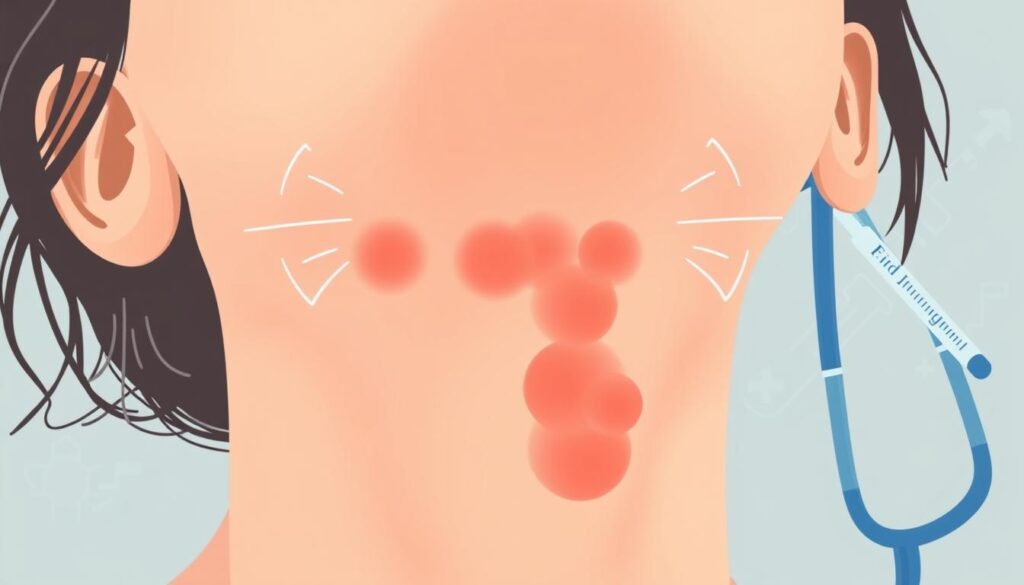
Throat pain and ear discomfort can disrupt your daily life. These symptoms often point to a respiratory infection. Your body uses these signs to alert you about potential health issues12.
Throat and ear problems can have many causes. Viral infections, bacteria, and environmental factors can all play a role. Tonsillitis and strep throat may spread to your ears, causing more issues1.
Mononucleosis often affects teens and young adults. It can cause major discomfort in the throat and lymph nodes1.
Knowing how your throat and ears connect is key for treatment. Chronic sinusitis can lead to long-lasting pain and pressure in your face12. Spotting early signs and getting care can prevent bigger problems.
Key Takeaways
- Throat and ear pain often indicate underlying infections
- Multiple factors can contribute to respiratory discomfort
- Early detection helps prevent serious health complications
- Different age groups experience varied symptoms
- Professional medical consultation is recommended for persistent issues
Understanding Sore Throat and Ears: The Connection
Your throat and ears share a complex network. When one hurts, the other often follows. This connection can make dealing with pain challenging.
How the Throat and Ears Are Connected
Eustachian tubes link your throat and ears. They control air pressure and drain fluids. When inflamed, these tubes can cause pain in both areas.
Common Symptoms to Watch For
- Pain when swallowing
- Swollen glands in the neck
- Redness in the throat
- Ear fullness or pressure
Strep throat can cause ear infections, especially in young people3. Look out for these signs:
- White patches on tonsils
- Fever
- Difficulty speaking or swallowing
Risk Factors and Complications
Tonsillitis, viral infections, and allergies can trigger throat and ear pain4. Your risk goes up with certain factors.
These include being young, having a weak immune system, and exposure to irritants.
- Age (children are more susceptible)
- Weakened immune system
- Exposure to environmental irritants
Persistent throat and ear pain lasting more than four weeks requires professional medical evaluation5.
Untreated infections can lead to serious problems. Recognizing and treating symptoms early is key to staying healthy.
Common Causes of Throat and Ear Pain
Knowing what causes throat and ear pain helps you tackle symptoms better. Many things can make these connected areas hurt, from germs to stuff in the air.
Kids often get throat and ear problems. Viral infections and bacterial infections are the main reasons for these painful issues6. Kids aged 3 to 15 are more likely to get strep throat, a common bacterial infection6.
- Viral infections (common cold, flu)
- Bacterial infections like strep throat
- Allergies and sinus-related issues
- Acid reflux complications
- Environmental irritants
Some habits and things around us can make throat and ear pain more likely. Smokers and people around smoke often get these problems6.
Seasonal allergies and reactions to dust, mold, or pet fur can also hurt your throat6. These things can make you feel uncomfortable and cause pain.
Ear infections are tough, especially for kids. About five out of six children get an ear infection before they turn three7.
Other things that can cause throat and ear pain are:
- Chronic sinus infections
- Weakened immune system
- Stress and fatigue
- Poor nutrition
| Condition | Prevalence | Key Characteristics |
|---|---|---|
| Chronic Sinusitis | 28.9 million adults affected8 | Persistent inflammation of sinus cavities |
| Allergic Reactions | Frequent occurrence | Postnasal drip, ear pain, throat inflammation8 |
| Strep Throat | Most common in children | Can lead to ear pain8 |
Knowing these causes helps you spot what might be making you hurt. This knowledge can help you get the right treatment for your throat and ear pain.
Treatment Options and Relief Methods
Sore throat and ear pain have many treatment options. The right strategies can help manage symptoms and speed up recovery9.
Home Remedies and Self-Care
Simple home remedies can provide significant pain relief. Try these effective strategies for comfort:
- Stay hydrated by drinking plenty of water
- Use a warm humidifier to moisten air passages
- Gargle with saltwater to reduce throat inflammation9
- Try honey and lemon for natural soothing effects
Medical Interventions
For severe symptoms, medical treatments are crucial. Over-the-counter medications can offer immediate pain relief10:
| Medication Type | Recommended For |
|---|---|
| Acetaminophen | Reducing fever and pain |
| Ibuprofen | Inflammation and discomfort |
| Decongestants | Clearing nasal passages |
Antibiotics should only be used for bacterial infections, as they are ineffective against viral conditions10.
Prevention Strategies
Preventing throat and ear issues involves proactive health management. Medical professionals recommend maintaining good hygiene and avoiding known allergens.
Supporting your immune system through proper nutrition and rest is also crucial9.
Remember, if symptoms persist or worsen, always consult your healthcare provider for personalized medical advice.
Conclusion
Grasping the link between throat and ear pain is key for managing symptoms well. Spotting early signs and getting proper care can greatly impact your health11. Knowing causes and treatments helps you tackle discomfort before it worsens.
Preventing ear and throat issues is crucial. Good hygiene, allergy control, and avoiding irritants can lower your risk12. Seek medical help if you have high fever, severe pain, or odd discharge11.
Each person’s throat and ear pain is different. Some issues can be dealt with at home. Others need a doctor’s care.
Don’t wait to see a doctor if pain persists or gets worse. Learn more about these conditions from detailed medical guides.
Taking charge of your health makes a big difference. Know the causes, spot symptoms early, and act fast. This approach helps manage and prevent many throat and ear problems.
FAQ
Why do I experience throat and ear pain together?
Throat and ear pain often occur together due to connected Eustachian tubes. Infections or inflammation can affect both areas simultaneously. This close connection means various conditions can impact your throat and ears at once.
What are the most common causes of sore throat and ear pain?
Common causes include viral infections like colds and flu. Bacterial infections, allergies, and sinusitis can also trigger these symptoms. Other potential causes are tonsillitis, mononucleosis, and acid reflux.
When should I see a doctor for throat and ear pain?
Seek medical help if symptoms last over a week or you have a high fever. Severe pain, trouble swallowing, or hearing changes are also reasons to consult a doctor. If home remedies don’t work, it’s best to see a healthcare professional.
What home remedies can help relieve throat and ear pain?
Rest, hydration, and saltwater gargles can provide relief. Over-the-counter pain relievers and warm compresses may also help. Try drinking herbal tea with honey or using a humidifier.
Avoid irritants like smoking or harsh environments. These methods can reduce inflammation and offer temporary comfort.
Are antibiotics always necessary for throat and ear pain?
Antibiotics aren’t always needed. They only work for bacterial infections, like strep throat. Viral infections, which are more common, don’t respond to antibiotics.
Your doctor will determine if antibiotics are necessary after an exam and possible tests.
How can I prevent throat and ear pain?
Practice good hygiene and avoid close contact with sick people. Maintain a healthy immune system and stay hydrated. Manage allergies and get vaccinated against the flu.
Avoid smoking and secondhand smoke. Reduce exposure to environmental irritants that can trigger inflammation.
Can allergies cause throat and ear pain?
Yes, allergies can cause throat and ear pain. They can lead to inflammation in the respiratory tract. This causes congestion, postnasal drip, and swelling in the throat and Eustachian tubes.
Manage allergies with medication and by avoiding triggers. Keeping a clean environment can help reduce these symptoms.
Source Links
- Sore Throat and Ears: Symptoms, Causes, Diagnosis, and Treatment – https://www.healthline.com/health/sore-throat-and-ears
- Sore throat and ears: Causes, treatment, and more – https://www.medicalnewstoday.com/articles/sore-throat-and-ears
- Throat and Ear Pain – https://www.verywellhealth.com/throat-and-ear-pain-causes-5198032
- What Causes Sharp Throat and Ear Pain? – https://mountainent.com/what-causes-sharp-throat-and-ear-pain/
- Why You Shouldn’t Ignore Ear and Throat Pain – https://health.clevelandclinic.org/sore-throat-and-ear-pain
- Sore throat-Sore throat – Symptoms & causes – Mayo Clinic – https://www.mayoclinic.org/diseases-conditions/sore-throat/symptoms-causes/syc-20351635
- What to do when you have an earache and sore throat | CareNow Urgent Care – https://www.carenow.com/blog/what-to-do-when-you-have-an-earache-and-sore-throat
- Why Do My Ears and Throat Hurt Simultaneously? | Spartanburg | Greer ENT & Allergy – https://www.spartanburgent.com/why-do-my-ears-and-throat-hurt-simultaneously/
- Sore Throat and Ear Pain: How to Find Relief | Ear & Sinus Institute – https://earandsinusinstitute.com/sore-throat-and-ear-pain-how-to-find-relief/
- Ear Infections: Diagnosis and Treatment – https://www.webmd.com/cold-and-flu/ear-infection/understanding-otitis-media-treatment
- Why Do My Ears and Throat Hurt Simultaneously? – https://entfortwayne.com/why-do-my-ears-and-throat-hurt-simultaneously/
- WHAT CAUSES SHARP THROAT AND EAR PAIN? | Blog | Louisiana ENT Specialists – https://www.lents.com/blog/what-causes-sharp-throat-and-ear-pain/

