
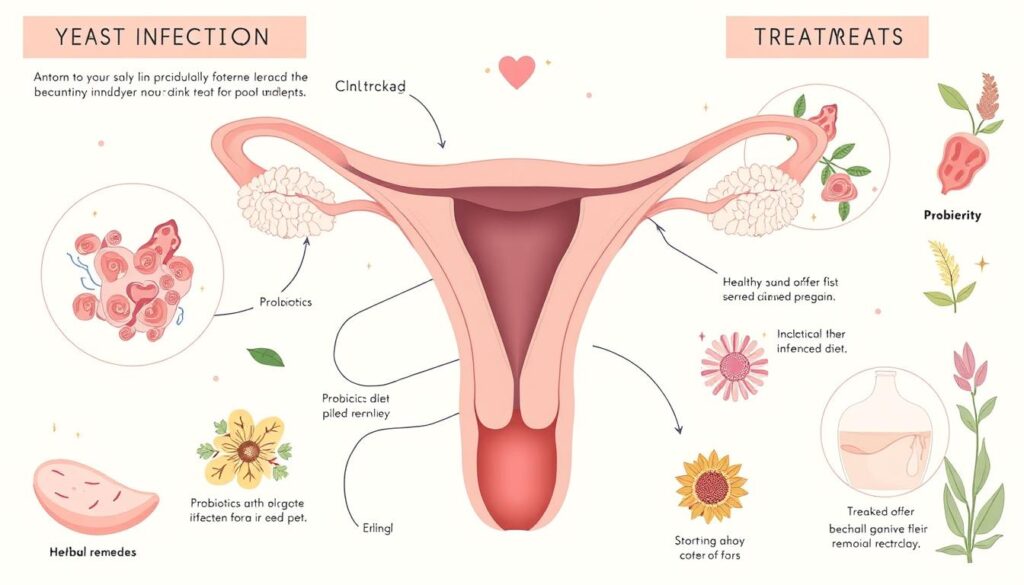
Vaginal yeast infections are a common issue for many women. Up to 75% of women will face this uncomfortable condition at least once1. It affects countless individuals, causing significant discomfort and worry1.
Vaginal thrush is mainly caused by an overgrowth of Candida albicans. This fungus naturally lives in the vagina2. While not sexually transmitted, certain factors can increase your risk.
Each year, 5 to 9% of women deal with recurring yeast infections2. Knowing the triggers and symptoms is key for managing this condition effectively.
Factors like antibiotics, hormonal shifts, and diabetes can lead to infections2. Spotting early signs helps you get proper treatment and avoid complications.
Key Takeaways
- Yeast infections are extremely common among women
- Multiple factors can trigger vaginal yeast infections
- Most infections are treatable with proper medical guidance
- Preventive strategies can reduce infection risk
- Professional medical advice is recommended for persistent symptoms
Understanding Vaginal Yeast Infections
Vaginal yeast infections can disrupt your daily life. They happen when the balance of microorganisms in your vagina is upset3. About 75% of women will have at least one yeast infection in their lifetime3.
What Causes Yeast Infections?
Yeast infections occur when Candida fungus overgrows in the vagina. Several factors can trigger this imbalance:
- Antibiotic use
- High estrogen levels
- Weakened immune system
- Uncontrolled diabetes
Symptoms You Should Look For
Spotting vaginal irritation and discharge early helps in getting quick treatment. Watch out for these key symptoms:
- Intense itching
- Burning sensation
- Redness and swelling
- Thick, white discharge resembling cottage cheese
Risk Factors for Developing Infections
Some people are more likely to get yeast infections. Key risk factors include:
- Pregnancy4
- Using hormonal birth control
- Recent antibiotic treatments
- Wearing tight-fitting clothing
Understanding your body and recognizing early signs can help manage yeast infections effectively.
Recurrent vulvovaginal candidiasis (RVVC) means having four or more infections yearly4. If you have frequent infections, see a doctor for special antifungal treatment.
Treatment Options for Yeast Infections
Vulvovaginal Candidiasis can be tough to handle. Luckily, there are many ways to treat it. Knowing your options helps manage Candida albicans infections better.
These treatments can ease vaginal itching and discomfort. Let’s explore the choices available to you.
Over-the-Counter Remedies
OTC treatments offer easy solutions for yeast infections. About 75% of women will face this issue at some point.
Common OTC antifungal meds include:
- Clotrimazole (Lotrimin and Mycelex)
- Miconazole (Micatin and Monistat)
- Tioconazole (Vagistat-1)
These come in 1-day, 3-day, and 7-day strengths5. You can choose based on your needs.
Prescription Medications
Stubborn infections may need prescription meds. The FDA recently approved new options.
Fluconazole can be taken for a week with follow-ups5. Recurrent cases might need up to 6 months of antifungal meds5.
Natural Treatment Alternatives
“Natural remedies can complement medical treatments, but always consult your healthcare provider first.”
Some natural options may help:
- Boric acid capsules
- Probiotics to restore bacterial balance
- Coconut oil applications
Note: Alternative therapies should not replace professional medical advice6.
Effective Prevention Strategies
Smart lifestyle choices and proactive care can protect your vaginal health. By understanding prevention methods, you can reduce the risk of uncomfortable yeast infections. These strategies can significantly improve your overall well-being.
Key strategies help prevent Candida infections and support vaginal health7. These methods are crucial for maintaining optimal wellness and comfort.
Lifestyle Changes to Consider
Daily habits play a crucial role in preventing yeast infections. About 75% of women experience a vaginal yeast infection in their lifetime7. Prevention strategies are essential for maintaining health.
- Wear breathable cotton underwear
- Change out of wet clothes promptly
- Manage stress levels
- Get adequate sleep
Importance of Proper Hygiene
Proper hygiene is critical for preventing vaginal infections. Careful personal care helps maintain the natural balance of bacteria8.
- Rinse the vulva with mild soap and water
- Change tampons and pads regularly
- Wipe carefully after using the bathroom
- Avoid douching
Dietary Adjustments and Probiotic Supplements
Dietary choices impact Candida prevention efforts. Probiotic-rich foods or supplements can balance your body’s natural bacteria7. These options support overall vaginal health.
| Probiotic Sources | Benefits |
|---|---|
| Yogurt with live cultures | Supports healthy bacteria balance |
| Probiotic supplements | Targeted vaginal health support |
| Fermented foods | Promotes overall gut health |
Prevention is always better than cure when it comes to vaginal health.
Remember, up to 45% of women experience repeat infections7. Staying proactive is key to maintaining your vaginal health.
When to Seek Medical Help
Vaginal health can be tricky, especially with recurring symptoms. Persistent yeast infection discomfort might require professional medical help. Up to 75% of females will experience at least one vaginal yeast infection9.
See a healthcare professional if you’re unsure about symptoms. Over-the-counter treatments not working? It’s time for a checkup10.
Look out for severe symptoms like extensive redness, swelling, or fever. Recurring Candidiasis may signal underlying health issues such as weak immunity or diabetes10.
About 45% of females will have multiple vaginal yeast infections9. It’s crucial to understand your body’s signals.
Prepare questions for your healthcare provider about Vaginal Health Care. Discuss possible triggers like antibiotics, hormonal changes, or lifestyle factors10.
A thorough medical evaluation can pinpoint the root cause. This ensures you get the right treatment for recurring infections.
FAQ
What exactly is a vaginal yeast infection?
A vaginal yeast infection is a common fungal issue. It’s caused by an overgrowth of Candida albicans in the vagina. This happens when the natural balance of bacteria and yeast is disrupted.
Up to 75% of women will have at least one yeast infection. These infections can occur multiple times throughout a woman’s life.
What are the most common symptoms of a yeast infection?
Typical symptoms include intense vaginal itching and a burning sensation. You may also notice redness in the vulva area.
A thick, white discharge that looks like cottage cheese is common. Some women experience mild swelling and discomfort during urination or sex.
What increases my risk of getting a yeast infection?
Recent antibiotic use and high estrogen levels can increase your risk. Diabetes, tight clothing, and sitting in wet swimsuits are also factors.
Pregnancy and a weakened immune system may contribute. Hormonal changes and certain health conditions can also play a role.
Can I treat a yeast infection at home?
Many yeast infections can be treated with over-the-counter antifungal medications. Products like Monistat or Canesten are often effective.
Natural remedies such as probiotics and Greek yogurt may provide relief. Boric acid suppositories can also help.
If symptoms persist or are severe, consult your healthcare provider. They can recommend the best treatment for you.
How can I prevent future yeast infections?
Practice good genital hygiene and wear breathable cotton underwear. Avoid douching and change out of damp clothes quickly.
Reduce sugar intake and take probiotics to support vaginal health. Manage underlying health conditions like diabetes effectively.
Maintain a balanced diet rich in beneficial bacteria. These steps can help prevent future yeast infections.
Are yeast infections contagious?
Yeast infections aren’t typically considered sexually transmitted infections. However, they can be passed between sexual partners in some cases.
These infections are mainly caused by an internal imbalance. If you have recurring infections, consult a healthcare professional.
When should I see a doctor about a yeast infection?
See a doctor if symptoms persist after over-the-counter treatment. Frequent recurrences also warrant medical attention.
Seek help for severe symptoms like extensive redness or significant swelling. A fever accompanying these symptoms is another reason to consult.
A healthcare provider can diagnose the underlying cause. They’ll recommend appropriate treatment based on your specific situation.
Can men get yeast infections?
Yes, men can develop yeast infections, but they’re less common. Males might experience redness, itching, and irritation on the penis.
These symptoms are more common in uncircumcised men or those with diabetes. If you suspect a yeast infection, consult a healthcare professional.
They can provide a proper diagnosis and recommend effective treatment options for men.
Source Links
- Vaginal Yeast Infection: Causes, Symptoms & Treatment – https://my.clevelandclinic.org/health/diseases/5019-vaginal-yeast-infection
- Patient education: Vaginal yeast infection (Beyond the Basics) – https://www.uptodate.com/contents/vaginal-yeast-infection-beyond-the-basics/print
- What Are Vaginal Yeast Infections? – https://www.webmd.com/women/understanding-vaginal-yeast-infection-basics
- Vaginal yeast infections | Office on Women’s Health – https://womenshealth.gov/a-z-topics/vaginal-yeast-infections
- Treating Yeast Infections – https://www.webmd.com/women/yeast-infection-treatments-prescription-drugs
- Yeast infection (vaginal) – Diagnosis and treatment – https://www.mayoclinic.org/diseases-conditions/yeast-infection/diagnosis-treatment/drc-20379004
- Preventing Vaginal Yeast Infections With Lifestyle and Diet Changes – https://intermountainhealthcare.org/blogs/preventing-vaginal-yeast-infections-with-lifestyle-and-diet-changes
- How Do I Prevent Vaginitis & Yeast Infections? – https://www.plannedparenthood.org/learn/health-and-wellness/vaginitis/how-do-i-prevent-vaginitis
- Yeast Infection? Or Something Else? – https://www.webmd.com/women/do-i-have-a-yeast-infection
- Yeast infection (vaginal) – Symptoms and causes – https://www.mayoclinic.org/diseases-conditions/yeast-infection/symptoms-causes/syc-20378999

