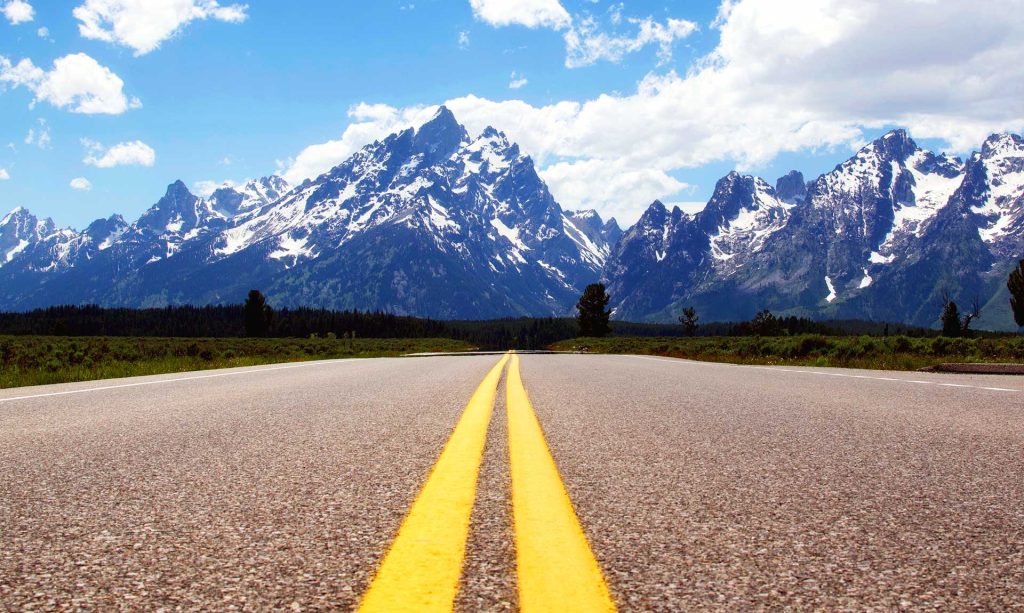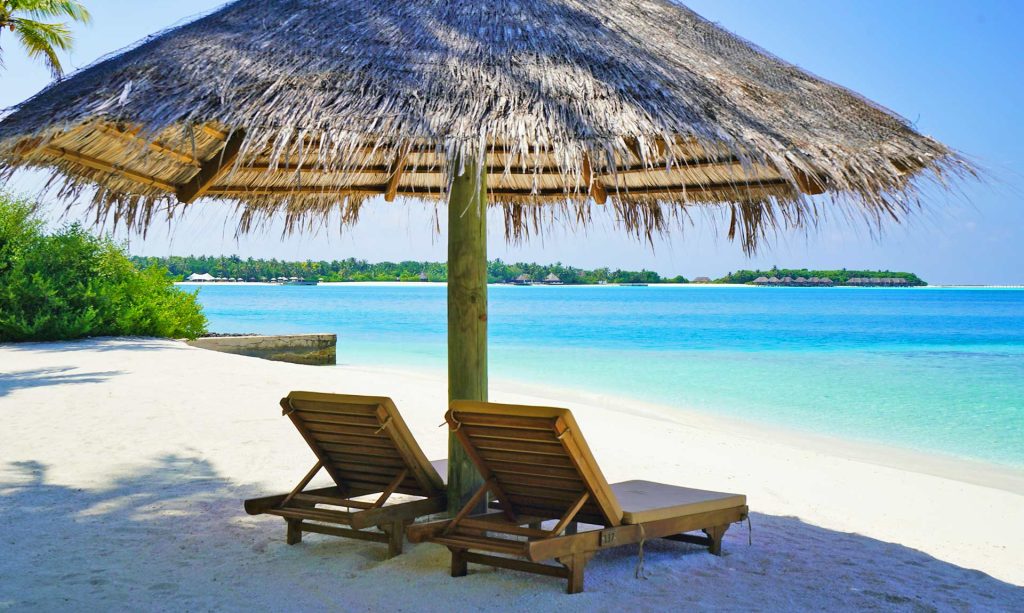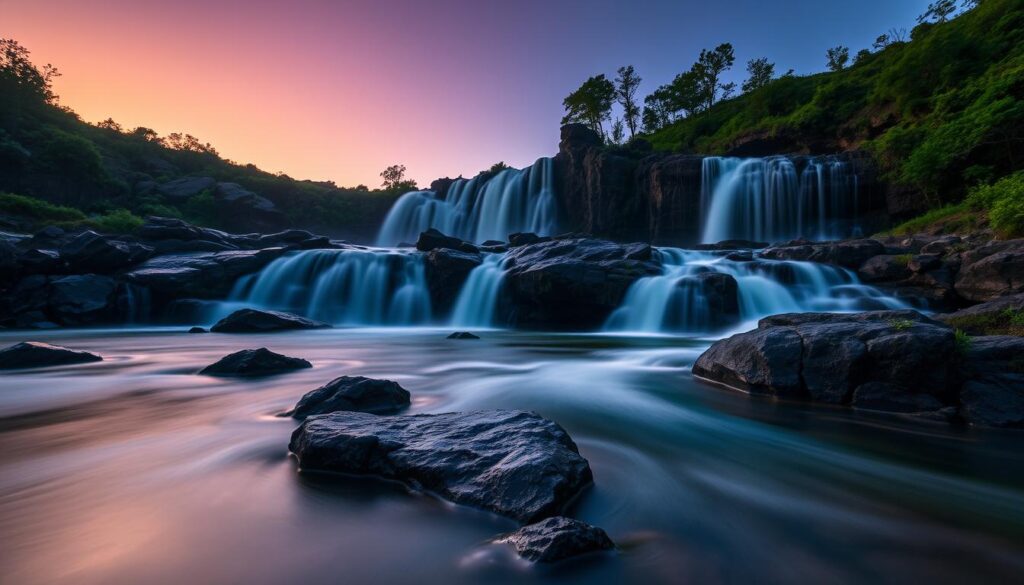
Long exposure photography turns ordinary travel scenes into extraordinary visual stories. It captures time’s passage in a single frame, revealing movements and light in unique ways. This technique compresses dynamic moments into breathtaking images that showcase motion and atmosphere.
For travel photographers, long exposure opens up a world of creative possibilities. It’s perfect for capturing silky waterfalls, streaking city lights, or smooth seascapes. The magic happens when shutter speed, aperture, and movement work together to create stunning visuals1.
Night photography fans will love long exposure techniques. Low-light settings and special gear transform ordinary scenes into mesmerizing compositions. Your camera becomes a time-capturing tool, revealing hidden rhythms in landscapes and cities.
Key Takeaways
- Long exposure photography compresses time into a single image
- Ideal for capturing movement in waterfalls, clouds, and cityscapes
- Requires specialized equipment like tripods and ND filters
- Works exceptionally well in low-light and night photography settings
- Transforms ordinary scenes into extraordinary visual narratives
Understanding Long Exposure Photography Techniques
Long exposure photography captures time through your camera lens. It turns ordinary scenes into extraordinary visual stories. This technique reveals motion and light in ways our eyes can’t see2.
What is Long Exposure Photography?
Long exposure photography keeps the camera’s shutter open for extended periods. It captures a single image over time. Photographers use Shutter Speed Adjustments to create unique visual effects3.
This method captures movement and light in one frame. It transforms dynamic scenes into artistic compositions2.
- Capture motion blur in moving objects
- Create smooth water and cloud effects
- Reveal light trails in nighttime scenes
Benefits of Long Exposure in Travel Photography
Travel photographers use long exposure to enhance landscapes and urban scenes. With Tripod Techniques, you can show the passage of time4.
“Long exposure photography is about capturing the invisible moments between seconds.”
Key advantages include:
- Smoothing water surfaces in seascapes
- Creating dramatic sky movements
- Highlighting urban light dynamics
To master Motion Blur, you need special equipment. This includes a sturdy tripod, neutral density filters, and a manual-setting camera2.
Digital technology now offers immediate feedback. This helps you quickly improve your technique3.
The best long exposure images mix still elements with blurred motion. This creates a sense of time and movement that fascinates viewers3.
Essential Equipment for Long Exposure Shots
Long exposure photography needs special gear to create stunning images. The right equipment can transform ordinary scenes into visual masterpieces. Choosing proper tools is key to elevating your creative photography skills.
Choosing the Right Camera and Lens
DSLRs and mirrorless cameras are perfect for long exposure shots. They offer manual settings and swappable lenses5. Look for cameras with Bulb mode for exposures longer than 30 seconds5.
Camera stability starts with a body that allows precise aperture control. This ensures sharp, clear images during long exposures.
- DSLR cameras with manual exposure control
- Mirrorless cameras with interchangeable lenses
- Advanced compact cameras with manual modes
The Importance of a Sturdy Tripod
A solid tripod is vital to prevent camera shake in long exposures. Tripods with fewer leg sections are sturdier6. Pro models can hold up to 7kg of gear7.
Filters: ND and Graduated Filters Explained
Neutral Density (ND) filters control light and extend exposure times. They come in various strengths6. A 6-stop ND filter can stretch exposure from 2 to 128 seconds7.
| Filter Type | Purpose | Recommended Size |
|---|---|---|
| Neutral Density (ND) | Reduce light, extend exposure | 67mm, 77mm |
| Graduated ND | Balance sky and foreground exposure | Various sizes |
| Polarizing Filter | Increase contrast, reduce reflections | Varies by lens |
To boost your creative photography, try using a remote shutter release. It helps minimize camera movement during long exposures.
With these tools, you’ll be ready to capture mesmerizing long exposure images. Your ordinary scenes will transform into extraordinary visual stories.
Mastering Composition and Settings
Long exposure photography demands a sharp eye and technical skill. Create stunning images by capturing light trails and dynamic scenes. Scout locations with both static and moving elements for compelling visual stories8.
Adjust shutter speed for the best results. Use manual mode to control exposure times9. Try exposures between two to three minutes for dynamic movement and light patterns9.
Keep ISO low to reduce noise. Use neutral density filters to manage light effectively89. A quality tripod is crucial for stability during long exposures9.
Try bracketing to capture multiple exposures in tricky lighting. With practice and patience, you’ll create unique light trail photos that tell captivating stories9.
FAQ
What exactly is long exposure photography?
Long exposure photography captures time’s passage in a single image. It uses extended shutter speeds to create unique effects. This technique transforms ordinary scenes into extraordinary photographs.
You can create smooth water surfaces, light trails, and motion blur. These effects make your photos stand out.
What equipment do I need to get started with long exposure photography?
You’ll need a camera with manual controls and a sturdy tripod. Neutral Density (ND) filters are also essential. Your camera should allow adjustments to shutter speed, aperture, and ISO.
A remote shutter release or built-in timer helps reduce camera shake. ND filters let you capture long exposures in bright daylight.
How do I prevent camera shake during long exposure shots?
Use a robust tripod and a remote shutter release or self-timer mode. Keep your ISO low to minimize noise. Ensure your camera is completely stable.
In windy conditions, add weight to your tripod. You can also use a wind block to maintain stability.
What are the best subjects for long exposure photography?
Moving subjects like waterfalls, ocean waves, clouds, and city traffic work beautifully. Landscapes with static elements combined with moving ones create stunning contrast.
Night cityscapes with light trails from cars are excellent subjects. Star trails also make for captivating long exposure shots.
How long should my shutter speed be for a long exposure shot?
Shutter speed varies depending on your subject and lighting conditions. For smooth water effects, try 1-30 seconds. Light trails might require 10-30 seconds.
Star trails can take several minutes. Start with shorter exposures and experiment. Check your results and adjust accordingly.
Can I do long exposure photography without specialized filters?
You can experiment during low-light conditions like dawn, dusk, or night. Some cameras have built-in long exposure noise reduction features.
However, for daytime long exposures, ND filters are essential. They help control light and achieve desired effects.
What are some common mistakes to avoid in long exposure photography?
Common mistakes include improper focus, incorrect exposure, and not using a tripod. Always use manual focus and start with lower ISO settings.
Experiment with different shutter speeds and carefully compose your shot. Check your histogram to ensure proper exposure.
Be patient with your technique. Practice will help you improve your long exposure photography skills.
Source Links
- When and How to use Long Exposure Photography – https://visualwilderness.com/fieldwork/when-and-how-to-use-long-exposure-photography
- Long Exposure Photography: A Step-By-Step Guide (+ Tips) – https://digital-photography-school.com/step-by-step-guide-to-long-exposure-photography/
- Long Exposure Photography: The Ultimate Step-by-Step Guide – https://greatbigphotographyworld.com/long-exposure-photography/
- 10 tips for long exposure photography – Affinity Spotlight – https://affinityspotlight.com/article/10-tips-for-long-exposure-photography/
- Long Exposure Photography: A Comprehensive Guide | Tamron Americas – https://tamron-americas.com/long-exposure-photography-a-comprehensive-guide-and-best-practices/
- Essential Gear For Long Exposure Photography » ItsJustLight.com – https://www.itsjustlight.com/gear/long-exposure-photography-gear/
- Recommended Gear for Doing Long Exposure Photography at Twilight and Dusk – https://digital-photography-school.com/recommended-gear-long-exposure-photography-twilight-dusk/
- Here’s How To Master The Art Of Long Exposure Photography – https://www.format.com/magazine/resources/photography/long-exposure-photography
- Long Exposure 101: Tips and Techniques for Mastering Long Exposure Photography – https://en.canon-cna.com/get-inspired/tips-and-techniques/mastering-long-exposure-photography/