
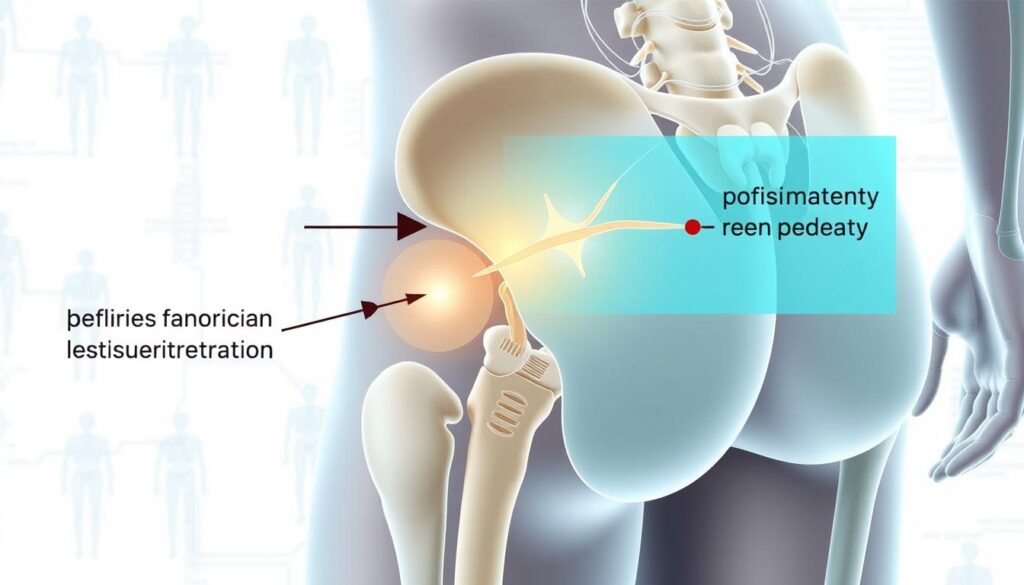
Meralgia Paresthetica is a nerve condition causing thigh discomfort. It leads to burning pain and numbness in the outer thigh. This disorder mainly affects men aged 30-40, presenting a unique neurological challenge1.
Symptoms may include tingling, burning pain, or altered skin sensitivity. Most people find relief within two to three months through proper management2. Wearing looser clothing and maintaining a healthy weight can improve your condition2.
Knowing the causes of meralgia paresthetica is vital. Obesity, pregnancy, and certain body changes can increase your risk1. Recognizing these triggers helps you manage symptoms effectively.
Key Takeaways
- Meralgia Paresthetica causes burning pain and numbness in the outer thigh
- Most common in men aged 30-40 years
- Symptoms typically resolve within 2-3 months
- Conservative treatments are often the first line of management
- Risk factors include obesity and pregnancy
What is Meralgia Paresthetica: Understanding the Condition
Meralgia paresthetica is a nerve disorder affecting daily life. It impacts the lateral femoral cutaneous nerve, causing unique thigh sensations. This condition can lead to discomfort in the thigh region3.
Anatomy of the Lateral Femoral Cutaneous Nerve
The lateral femoral cutaneous nerve transmits sensations from the front and outer thigh. Compression neuropathy occurs when this nerve gets trapped near the inguinal ligament. This can result in various neurological symptoms3.
Common Symptoms and Sensations
People with meralgia paresthetica often experience distinctive thigh dysesthesia. Symptoms may include burning sensations, tingling, or numbness in the thigh.
- Burning sensations in the thigh
- Tingling or numbness
- Increased sensitivity to touch
- Occasional sharp or aching pain
These symptoms mainly affect people aged 30 to 604. Several factors can trigger the condition:
- Tight clothing or belts
- Weight gain or obesity
- Pregnancy
- Repetitive leg motions
Impact on Daily Life
Paresthesia can disrupt your daily activities significantly. The persistent discomfort can make walking, standing, and routine tasks challenging. However, muscle function remains unaffected3.
Early recognition and proper management are key to minimizing the impact of meralgia paresthetica on your quality of life.
Many patients find relief through simple lifestyle changes. Wearing looser clothing, managing weight, and seeking medical guidance can help. These conservative treatments often provide significant improvement4.
Risk Factors and Common Causes of Thigh Nerve Compression
Meralgia paresthetica stems from various factors affecting the lateral femoral cutaneous nerve. Knowing these triggers helps spot potential nerve compression early. This awareness can prevent problematic issues5.
Those aged 30-60 are often more prone to this condition5. Diabetes patients face a much higher risk. Their chances are about seven times greater than others, according to nerve compression research5.
Identifying and addressing these risk factors early can prevent long-term nerve complications.
Other causes include surgical scars and repetitive leg motions. Hip injuries and sudden weight changes can also play a role6.
Doctors use various methods to diagnose this condition. These include physical exams, MRI scans, and special nerve tests. These help find the exact spot of compression6.
Conclusion
Managing meralgia paresthetica needs a personalized approach based on your symptoms and causes. Many patients find relief through conservative management strategies. Your plan might include lifestyle changes, looser clothing, and targeted physical therapy to ease nerve compression7.
If conservative treatments fall short, doctors may suggest advanced options. High-volume nerve blocks can improve symptoms in 83% of cases8. Surgical intervention becomes an option when other therapies fail.
Neurectomy shows a 94% success rate8. Pulsed radiofrequency neuromodulation can reduce inflammation and change nerve function8.
Most patients see significant improvement with proper treatment. Your outlook depends on health conditions, age, and treatment approach. With medical guidance and proactive management, you can effectively tackle meralgia paresthetica9.
FAQ
What exactly is Meralgia Paresthetica?
Meralgia Paresthetica causes tingling, numbness, and burning pain in the outer thigh. It happens when the lateral femoral cutaneous nerve gets squeezed. This compression leads to sensory changes in the thigh without affecting muscle function.
What are the most common symptoms of this condition?
The main symptoms include burning pain, tingling, and numbness on the outer thigh. These feelings can get worse after walking or standing for a long time. The symptoms don’t usually affect muscle strength but can make daily life uncomfortable.
Who is most at risk for developing Meralgia Paresthetica?
People aged 30-60, those who are obese, pregnant, or have diabetes are at higher risk. Wearing tight clothes or heavy tool belts can also increase the chances. Recent weight gain, repetitive leg motions, and hip injuries are other risk factors.
How is Meralgia Paresthetica diagnosed?
Doctors use a complete medical history and clinical exam to diagnose this condition. They might also order MRI imaging or electrodiagnostic studies. Diagnostic nerve blocks can help confirm nerve compression and rule out other issues.
What treatment options are available?
Treatment depends on how severe the symptoms are. Wearing looser clothing, losing weight, and physical therapy can help. Medications like gabapentin or tricyclic antidepressants may manage pain. Corticosteroid injections can reduce swelling.
In rare cases, surgery might be needed to relieve nerve compression.
Can Meralgia Paresthetica be prevented?
You can lower your risk by keeping a healthy weight and avoiding tight clothes. Using ergonomic tool belts and managing conditions like diabetes also helps. Regular stretching and not standing for too long can prevent nerve compression.
Is Meralgia Paresthetica a permanent condition?
The outlook is usually good with proper care. Many patients feel much better with conservative treatments. The condition can often be managed well and may even go away completely.
Source Links
- Meralgia paraesthetica – https://patient.info/brain-nerves/meralgia-paraesthetica-leaflet
- Meralgia paresthetica – Diagnosis and treatment – https://www.mayoclinic.org/diseases-conditions/meralgia-paresthetica/diagnosis-treatment/drc-20355639
- Meralgia Paresthetica – https://www.hopkinsmedicine.org/health/conditions-and-diseases/meralgia-paresthetica
- Meralgia paresthetica – Symptoms and causes – https://www.mayoclinic.org/diseases-conditions/meralgia-paresthetica/symptoms-causes/syc-20355635
- Meralgia paresthetica (lateral femoral cutaneous nerve entrapment) – https://www.uptodate.com/contents/meralgia-paresthetica-lateral-femoral-cutaneous-nerve-entrapment
- What You Should Know About Thigh Pain and Meralgia Paresthetica – https://www.baltimoreperipheralnervepain.com/blog/what-you-should-know-about-thigh-pain-and-meralgia-paresthetica.cfm
- Meralgia Paresthetica – SpinePain Solutions – https://amitsharmamd.com/resources/meralgia-paresthetica/
- Meralgia Paresthetica: A Case Report With an Update on Anatomy, Pathology, and Therapy – https://pmc.ncbi.nlm.nih.gov/articles/PMC8051538/
- Meralgia Paresthetica Review: Update on Presentation, Pathophysiology, and Treatment | Published in Health Psychology Research – https://healthpsychologyresearch.openmedicalpublishing.org/article/71454-meralgia-paresthetica-review-update-on-presentation-pathophysiology-and-treatment

