
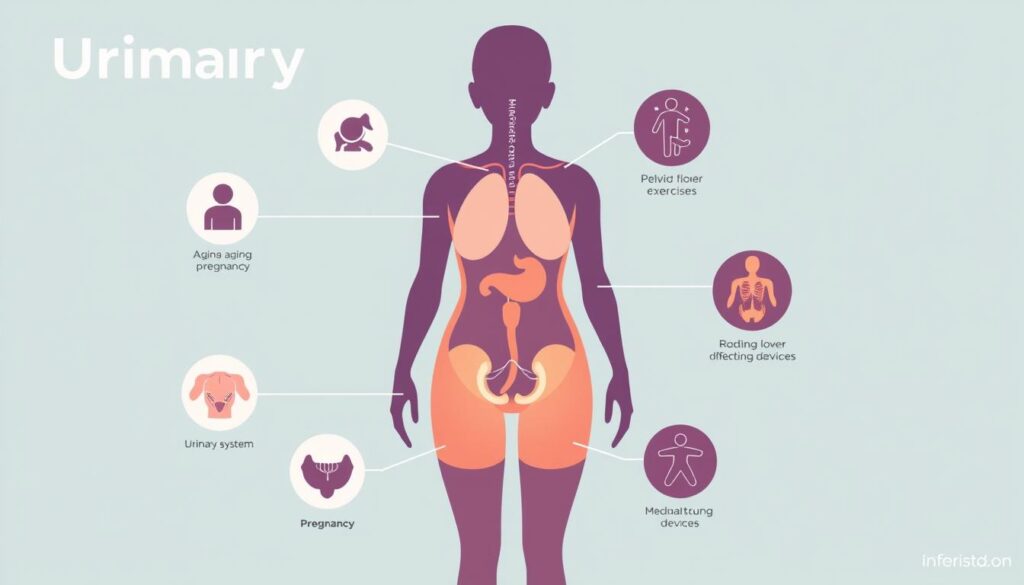
Urinary incontinence affects millions worldwide, disrupting daily life. It’s more than just bladder control problems. Women face higher risks due to pregnancy, childbirth, and menopause1.
Unexpected urine leaks can happen to anyone, regardless of age or gender. The severity varies from occasional small leaks to frequent, uncontrollable urination2.
Different types of incontinence exist, each with unique characteristics and triggers1. Stress incontinence is common among younger and middle-aged women2.
Key Takeaways
- Urinary incontinence affects millions of people worldwide
- Women are more likely to experience bladder control issues
- Multiple types of incontinence exist with different causes
- Age and hormonal changes can impact bladder control
- Treatment and management options are available
What is Urinary Incontinence and How Does It Affect Daily Life
Urinary incontinence is a tough condition affecting millions worldwide. It impacts over 25 million adult Americans, disrupting daily life and comfort3. Understanding this health issue is key for better management and life quality.
Understanding the Urinary System
The urinary system removes waste and balances fluids. When it malfunctions, Overactive Bladder and Urinary Urgency can occur. Women face these challenges more often.
Up to 50 percent of women may experience urinary incontinence in their lifetime4. This high prevalence highlights the importance of awareness and early intervention.
Impact on Quality of Life
Urinary incontinence can create emotional and social challenges. Individuals may experience:
- Anxiety about potential accidents
- Reduced social participation
- Disrupted sleep patterns
- Potential skin irritation around the urethra5
Common Signs and Symptoms
Recognizing urinary incontinence signs is crucial for early intervention. Key indicators include:
- Sudden, strong urges to urinate
- Frequent urination (more than eight times daily)
- Urine leakage during physical activities
- Weakened Pelvic Floor Muscles5
“Understanding your body’s signals is the first step towards managing urinary incontinence effectively.”
Different types of incontinence exist, including stress, urge, and mixed. Stress incontinence is the most common type. It affects nearly one-third of young women after childbirth4.
Knowing these variations helps in seeking proper treatment and support. Early recognition can lead to better management and improved quality of life.
Types of Urinary Incontinence and Their Characteristics
Urinary incontinence comes in different forms. Knowing these types helps identify your specific issues and find the right treatment. Let’s look at the main kinds of bladder control problems.
- Stress Incontinence: This happens when physical activities put pressure on your bladder. Laughing, sneezing, or lifting heavy objects can cause unexpected urine leakage67. Women who’ve been pregnant or gone through menopause are more likely to have this problem6.
- Urge Incontinence: This type brings sudden, intense urges to pee. It can lead to involuntary leaking and disrupt daily life with unexpected bathroom emergencies7.
- Overflow Incontinence: This occurs when your bladder doesn’t empty fully. It results in frequent or constant dribbling7. People with chronic urinary retention often face this challenge.
| Incontinence Type | Key Characteristics | Common Triggers |
|---|---|---|
| Stress Incontinence | Leakage during physical pressure | Coughing, laughing, exercise |
| Urge Incontinence | Sudden, intense urination urges | Neurological conditions, bladder irritants |
| Overflow Incontinence | Incomplete bladder emptying | Nerve damage, prostate issues |
Obesity, smoking, and certain medical conditions can increase the risk of incontinence6. Men with prostate problems are also more likely to develop these issues6.
Recognizing your specific type of urinary incontinence is the first step toward effective management and treatment.
Doctors use physical exams and bladder function tests to identify your incontinence type6. Treatment options include pelvic muscle exercises, medications, and sometimes surgery67.
Risk Factors and Common Causes
Urinary incontinence is a complex condition with various risk factors. These factors can greatly affect your daily life. Understanding the causes can help you manage and prevent bladder control issues.
Age-Related Changes
As you age, your bladder muscles naturally weaken. This can lead to increased challenges with urinary control8. About 90% of patients experience different types of incontinence due to aging8.
Kegel exercises can help strengthen pelvic floor muscles. These exercises can improve bladder control during the natural aging process.
Medical Conditions
Several medical conditions can cause urinary incontinence. Neurological disorders, diabetes, and prostate problems are significant risk factors9. Bladder training techniques can effectively manage symptoms associated with these conditions.
- Neurological issues affecting brain or spinal cord
- Diabetes complications
- Prostate-related problems
Lifestyle Factors
Your daily habits play a crucial role in bladder health. Obesity, smoking, and excessive caffeine can increase the risk of urinary incontinence9. Incontinence products offer temporary relief while you work on lifestyle changes.
| Risk Factor | Impact on Incontinence |
|---|---|
| Obesity | Increased pressure on bladder |
| Caffeine | Triggers frequent urination |
| Smoking | Weakens pelvic muscles |
“Managing your lifestyle can significantly reduce the risk of urinary incontinence”
For more details about urinary incontinence, check out the Mayo Clinic’s comprehensive guide.
Conclusion
Urinary incontinence affects millions of women in the U.S. But don’t worry, you’re not alone. Modern medicine offers many ways to boost your confidence and improve life quality.
Understanding your specific condition is key to managing urinary incontinence. Different types need different approaches. Healthcare pros can help create a personalized treatment plan for you.
Treatment options include pelvic floor exercises, medications, and lifestyle changes. Some cases may require surgery. Specialized bladder function tests can also help guide your treatment.
Don’t let embarrassment stop you from getting help. With the right support, you can improve bladder control significantly. Remember, urinary incontinence is manageable.
Take action now. Work with your healthcare provider to address this challenge. You can maintain an active, confident lifestyle with the right approach1011.
FAQ
What are the most common types of urinary incontinence?
Urinary incontinence has five main types. Stress incontinence causes leaks during physical activities. Urge incontinence brings sudden, intense urges to urinate. Overflow incontinence results in constant dribbling.
Functional incontinence means you can’t reach the toilet in time. Mixed incontinence combines multiple types.
Can urinary incontinence be prevented?
You can lower your risk of urinary incontinence. Maintain a healthy weight and stay active. Practice pelvic floor exercises regularly. Avoid too much caffeine and alcohol.
Manage any underlying medical conditions. Good overall health can help prevent or reduce urinary incontinence.
How does pregnancy affect urinary incontinence?
Pregnancy can weaken pelvic floor muscles. This happens due to increased pressure and hormonal changes. Many women face temporary incontinence during and after pregnancy.
Kegel exercises can help strengthen the pelvic floor. This can prevent and manage incontinence related to pregnancy.
Are there effective treatments for urinary incontinence?
Yes, several treatments can help with urinary incontinence. These include lifestyle changes and pelvic floor exercises. Bladder training and medications are also effective options.
In some cases, surgery might be necessary. Your doctor can create a personalized plan based on your needs.
Is urinary incontinence a normal part of aging?
Urinary incontinence isn’t an inevitable part of getting older. It’s more common in older adults, but it can be treated.
Many seniors can manage or improve their symptoms. Proper medical care and lifestyle changes can make a big difference.
What lifestyle factors can contribute to urinary incontinence?
Several factors can increase your risk of urinary incontinence. These include being overweight, smoking, and drinking too much alcohol or caffeine.
Lack of exercise and certain eating habits also play a role. A healthy lifestyle can help reduce the chances of developing incontinence.
When should I see a healthcare provider about urinary incontinence?
Seek medical help if incontinence disrupts your daily life. Also, consult a doctor if it causes emotional distress. Look out for other symptoms like pain or blood in urine.
Frequent urinary tract infections are another reason to see a doctor. Early treatment can greatly improve your quality of life.
Can men experience urinary incontinence?
Yes, men can have urinary incontinence too. It’s often linked to prostate issues or neurological disorders. Some men develop it after prostate cancer treatment.
While more common in women, it affects both genders. Proper medical guidance can help manage the condition effectively.
Source Links
- Incontinence: Leakage, Causes, Diagnosis, Treatment & Prevention – https://my.clevelandclinic.org/health/diseases/17596-urinary-incontinence
- Urinary Incontinence in Older Adults – https://www.nia.nih.gov/health/bladder-health-and-incontinence/urinary-incontinence-older-adults
- Urinary Incontinence in Women – https://www.hopkinsmedicine.org/health/conditions-and-diseases/urinary-incontinence/urinary-incontinence-in-women
- Urinary Incontinence – UChicago Medicine – https://www.uchicagomedicine.org/conditions-services/obgyn/urogynecology/urinary-incontinence
- Patient education – Urinary incontinence – UF Health – https://ufhealth.org/conditions-and-treatments/urinary-incontinence/patient-education
- Types of Urinary Incontinence – Baptist Health – https://www.baptisthealth.com/blog/family-health/types-of-urinary-incontinence
- Urinary incontinence – https://www.nhs.uk/conditions/urinary-incontinence/
- Incontinence Types & Risk Factors – https://www.brighamandwomens.org/obgyn/urogynecology/types-of-incontinence-and-risk-factors
- Urinary incontinence – Causes – https://www.nhs.uk/conditions/urinary-incontinence/causes/
- Urinary Incontinence – https://www.bvhealthsystem.org/expert-health-articles/urinary-incontinence-1
- Urinary Incontinence | Stress Incontinence | UI | MedlinePlus – https://medlineplus.gov/urinaryincontinence.html

